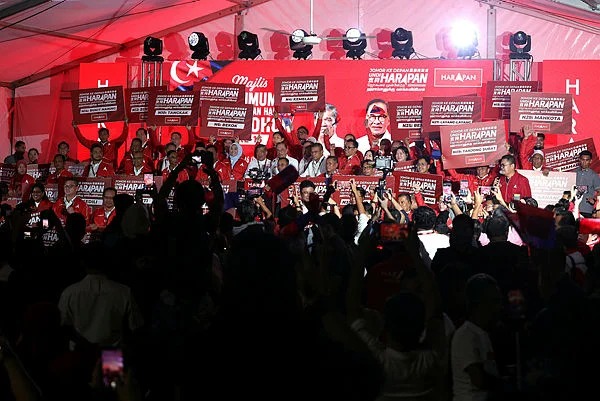
Why the Cost of Living Feels High in Malaysia in 2026
Headline inflation is moderate, yet many Malaysians feel prices are rising. Here is what the data shows about the cost of living in 2026.
The stories shaping Malaysia, in focus.
Headline inflation is moderate, yet many Malaysians feel prices are rising. Here is what the data shows about the cost of living in 2026.
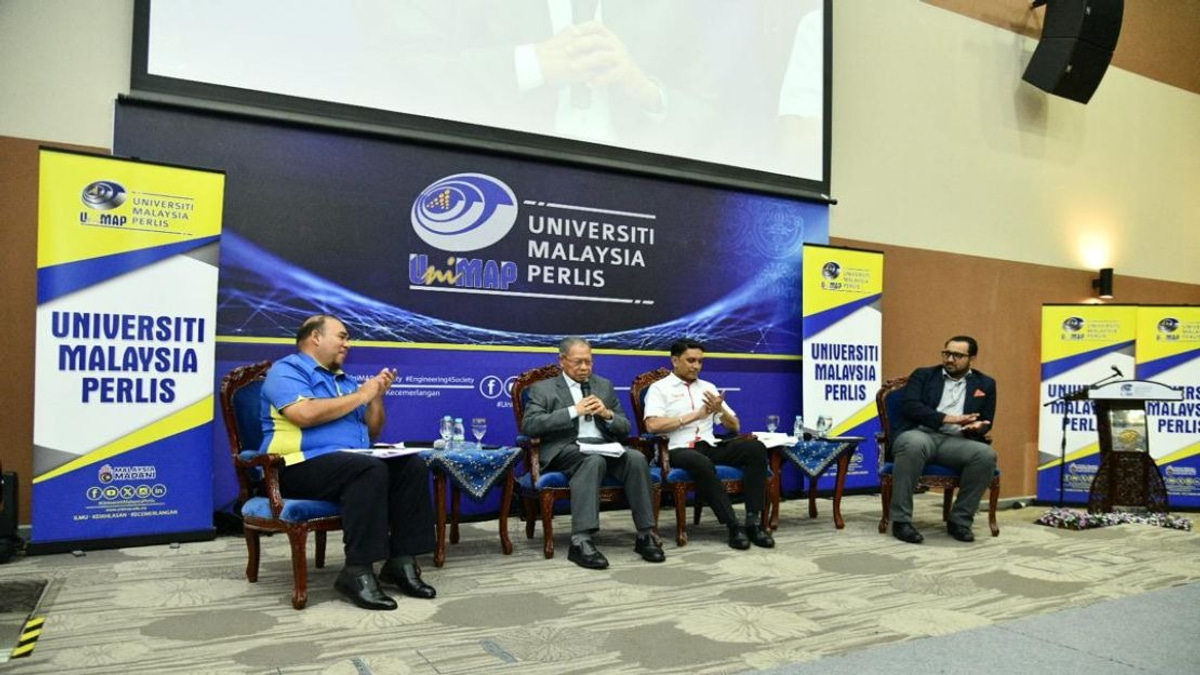
Universiti Malaysia Perlis is churning out nearly 2,000 graduates annually to support Malaysia's push into semiconductors, with over 30% entering the electrical and electronics sector.

Malaysia is rapidly establishing itself as a global AI manufacturing powerhouse, attracting billions in tech investment and becoming one of four major exporters of AI-related hardware. Political uncertainties loom over sustained growth.

The Orange Economy Consortium and National TVET Council are launching a six-month AI-assisted micro film training programme to equip local talent with skills in scriptwriting, directing, and digital content creation, aligned with Malaysia's AI and creative economy ambitions.

The Johor Talent Development Council has successfully matched 8,537 young professionals with jobs paying over RM4,000 monthly since its launch in November 2024, attracting workers back from Singapore with improved quality of life.
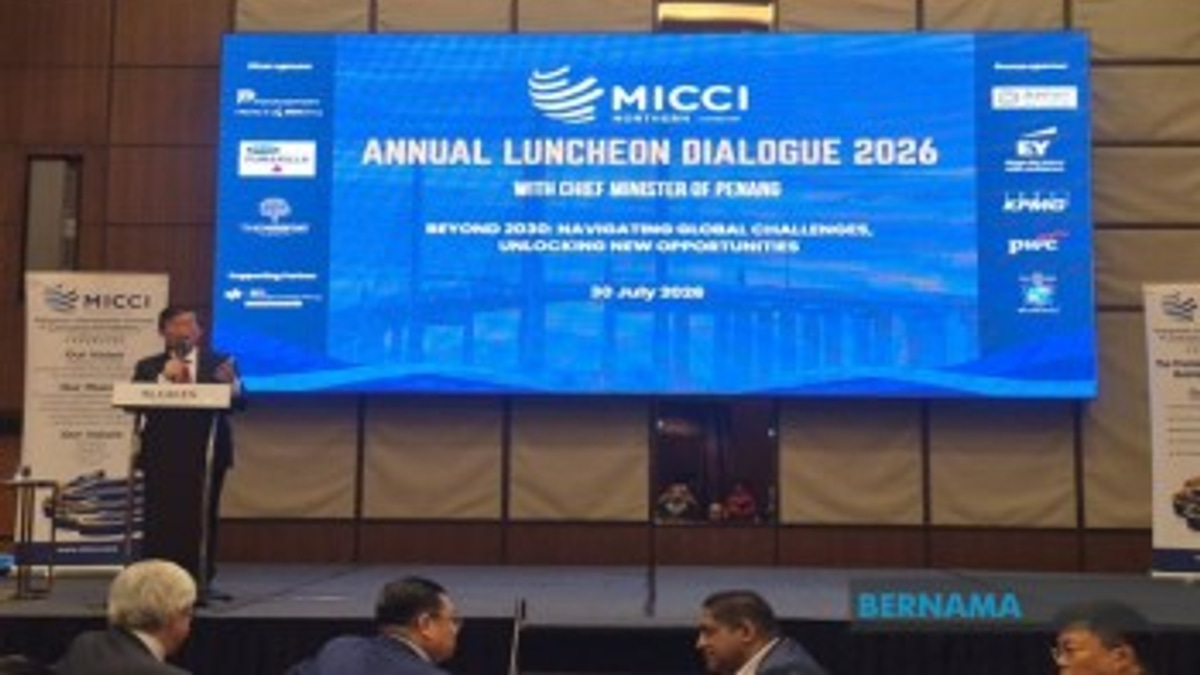
The Malaysian International Chamber of Commerce and Industry has urged member companies to prioritise workforce development and innovation investments to stay competitive amid rapid technological change and industry transformation.
Malaysia's economy is projected to sustain strong performance in the second half of 2026, with the government forecasting growth between 4.0 and 5.0 per cent for the full year, supported by stable oil supplies and the country's hosting of Formula One.
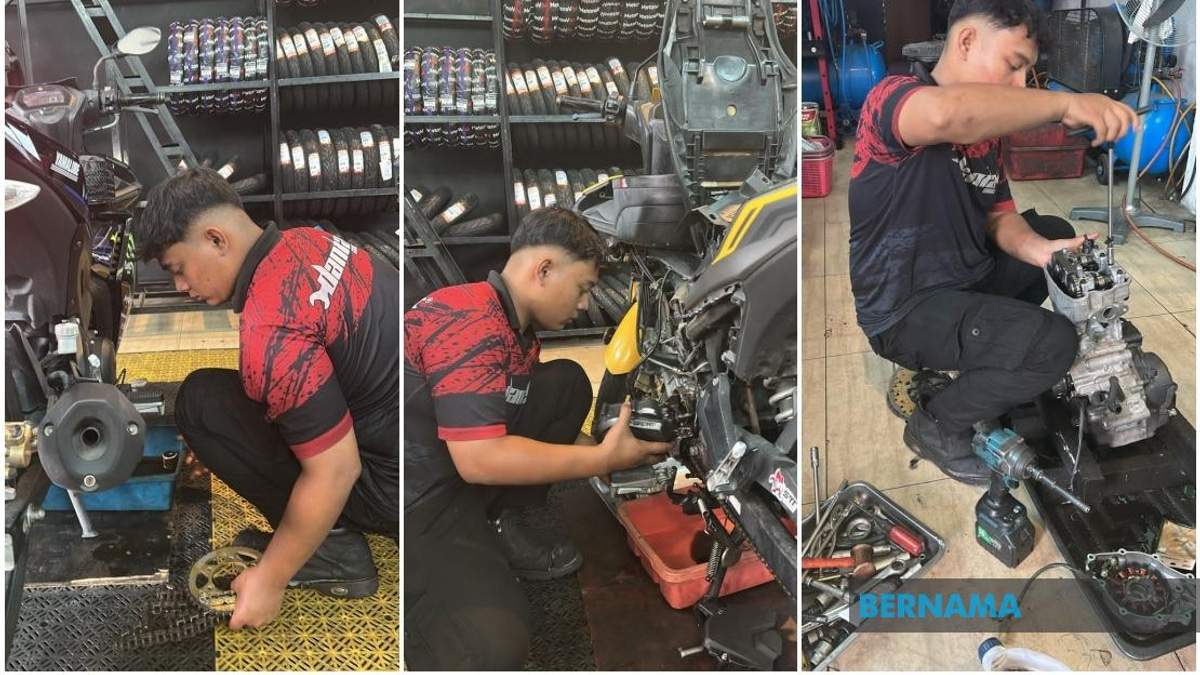
Malaysia's Academy in Industry programme is reshaping vocational training by combining workplace experience with formal education, enabling disadvantaged youth to gain industry-recognised qualifications while helping employers address critical skills gaps.
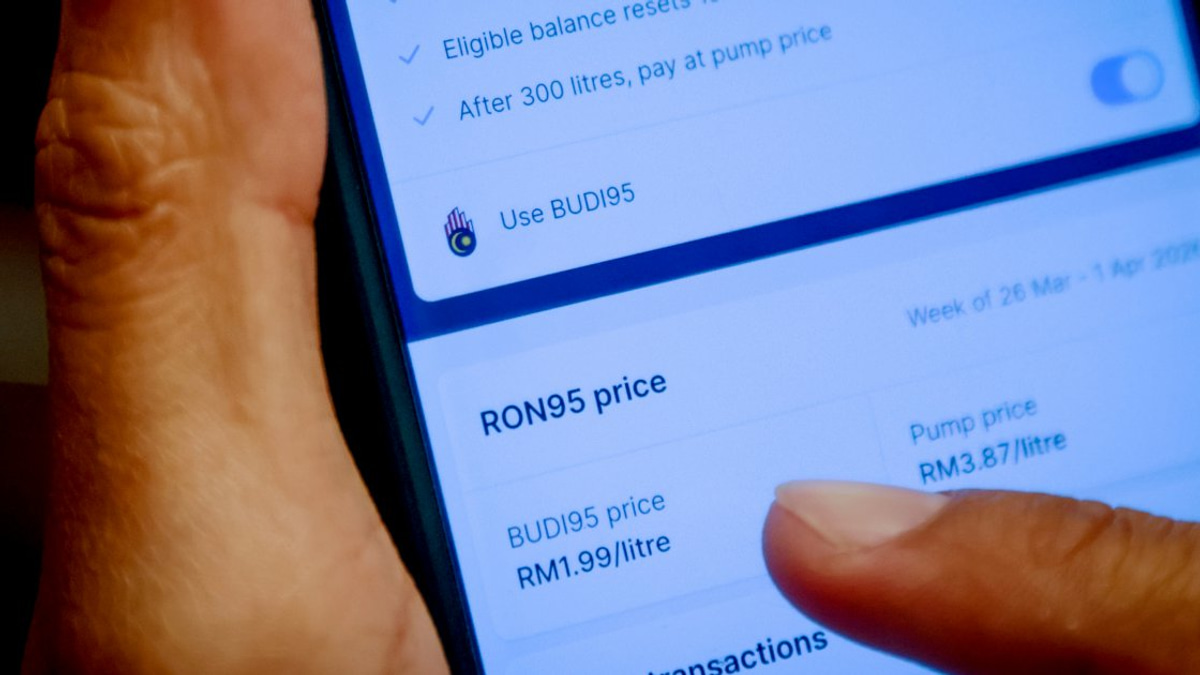
Prime Minister Anwar Ibrahim has highlighted that the Malaysian government allocates between RM40 billion and RM45 billion annually to fuel subsidies, underscoring the significant fiscal commitment needed to keep prices manageable for consumers.
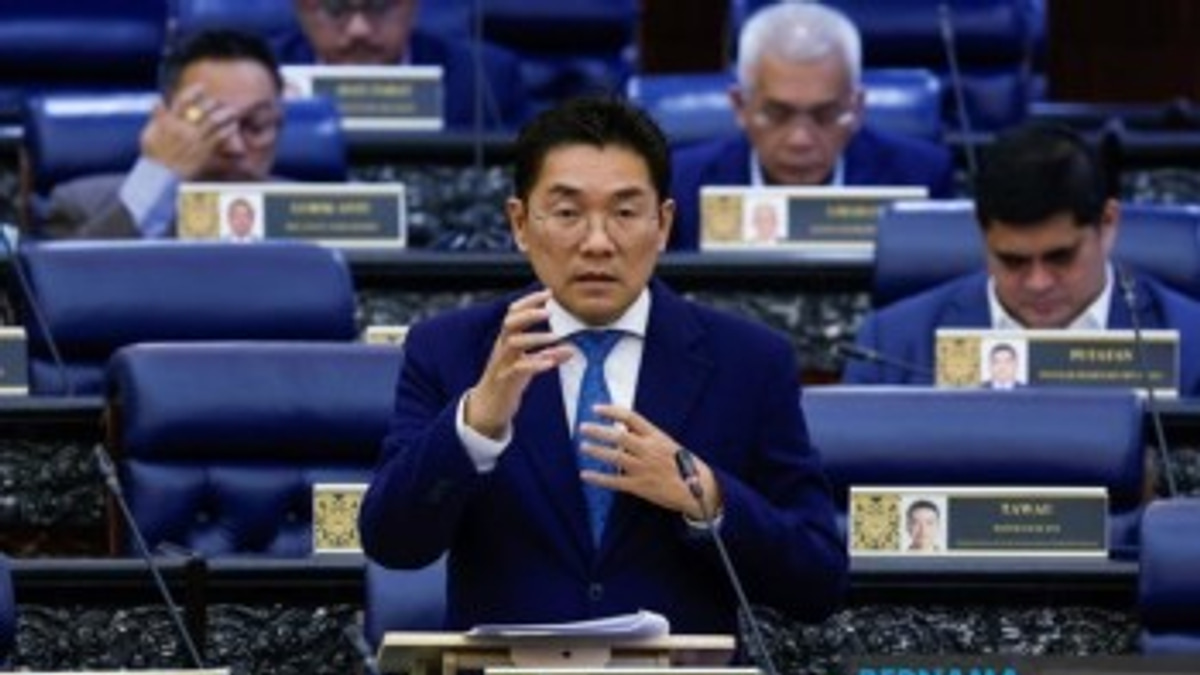
Malaysia's appeal to foreign investors is creating a positive feedback loop that encourages local companies to expand, according to Deputy Investment Minister Sim Tze Tzin, with domestic investment now representing 45 per cent of total approved investments.
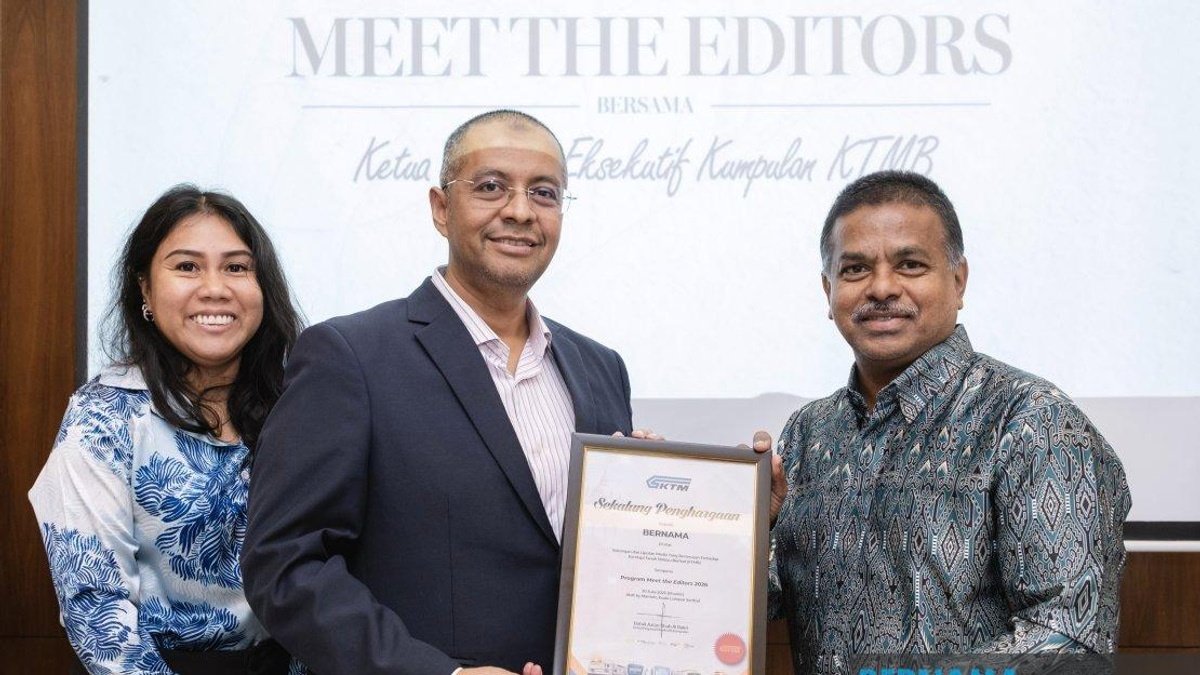
Keretapi Tanah Melayu Berhad reports RM296 million revenue in the first half of 2026, driven by strong Electric Train Service performance. However, KTM Komuter services face headwinds from ongoing track closures.
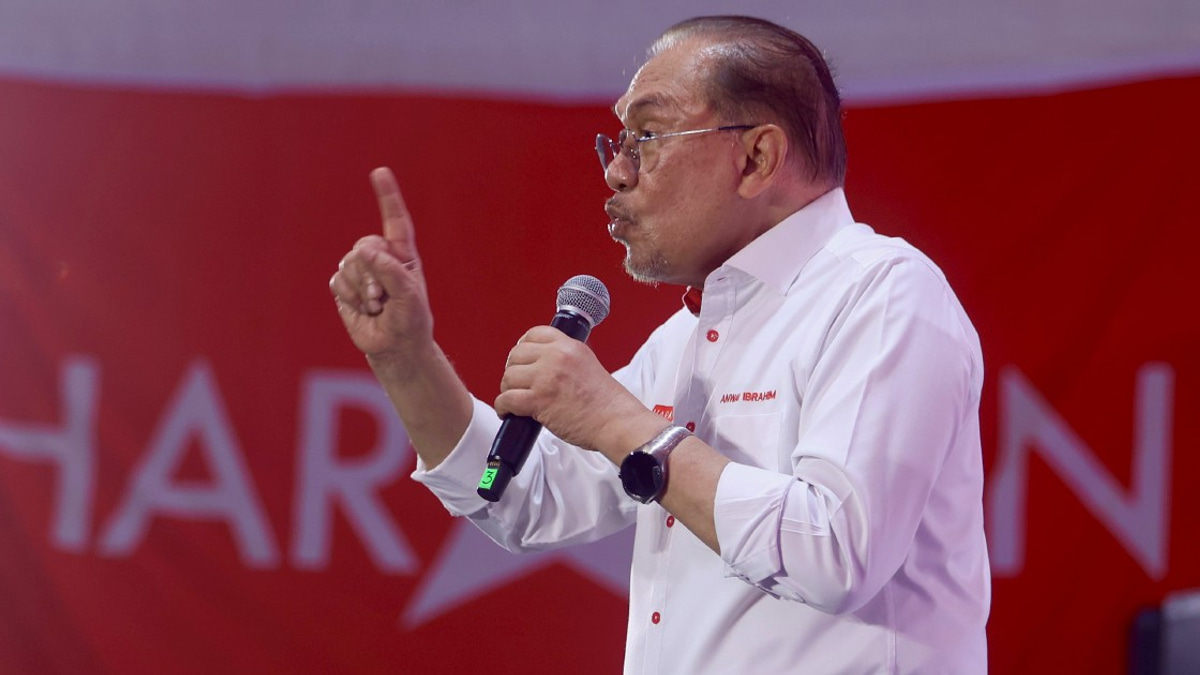
Prime Minister Anwar Ibrahim disclosed that the government must allocate RM980 million yearly to offset losses at the Federal Land Development Authority stemming from previous management failures.
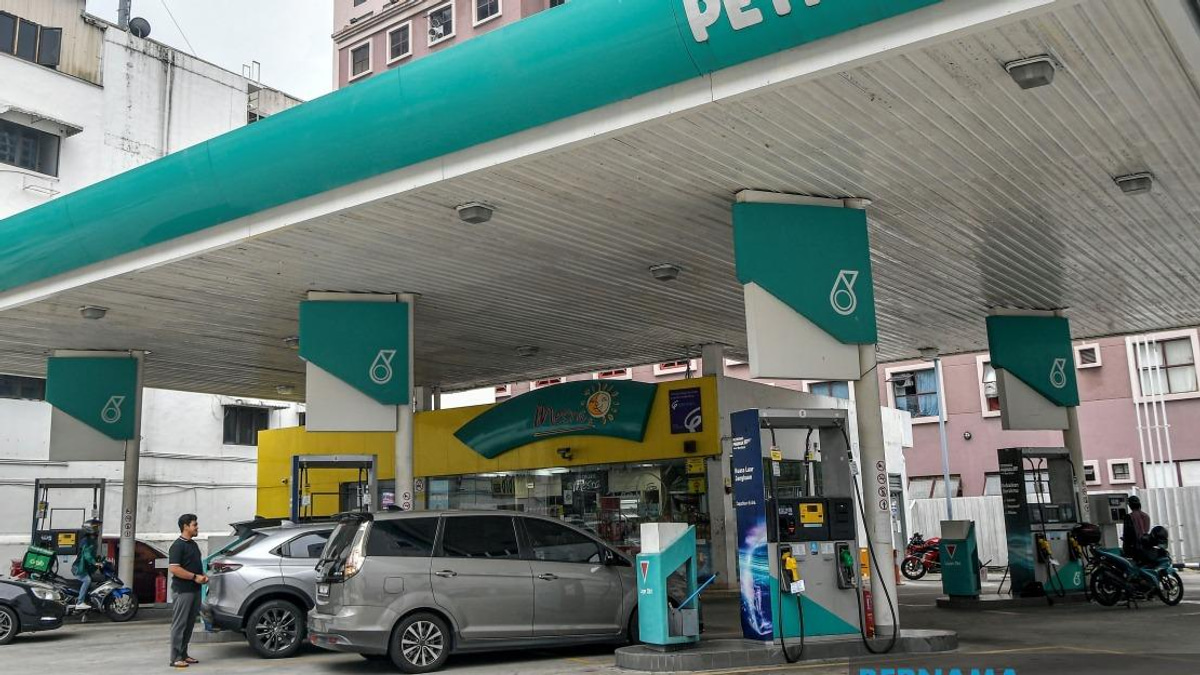
Malaysia's unsubsidised fuel prices are climbing 20 sen per litre starting July 30, with geopolitical tensions in the Middle East and disrupted trade routes pushing global crude oil to six-week highs of US$96 per barrel.
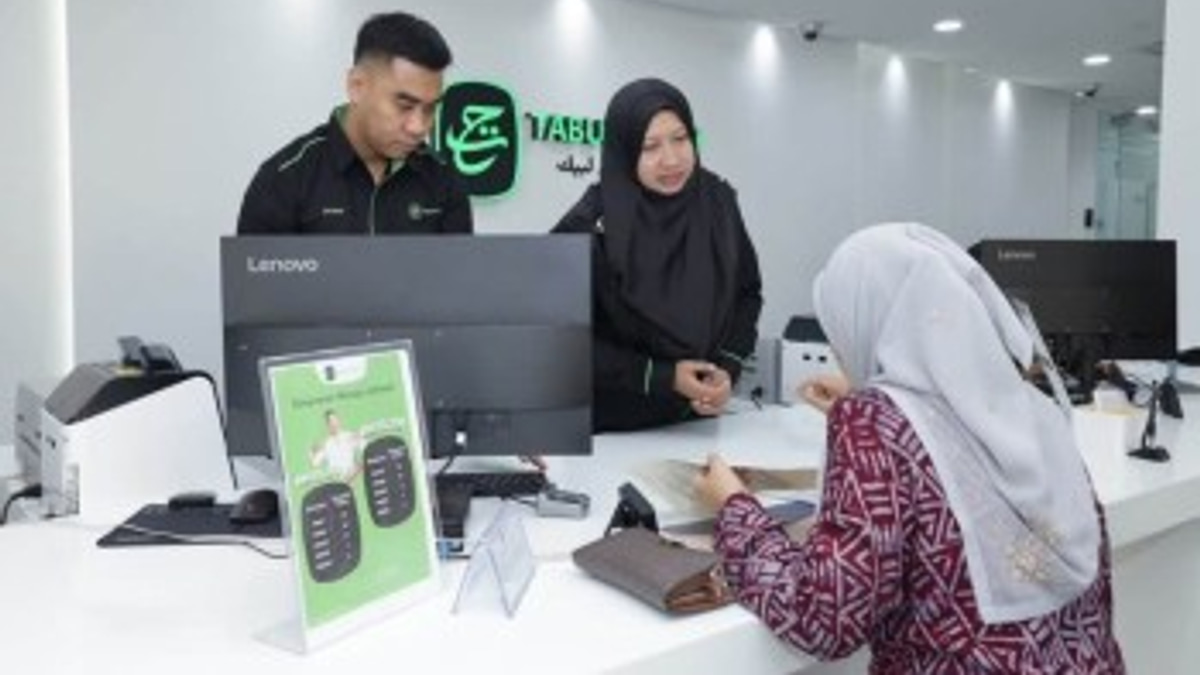
Malaysia's Royal Commission of Inquiry concludes Tabung Haji should not have distributed RM2.75 billion in hibah during 2017, citing unsustainable payments and creative accounting that depleted reserves and triggered the pilgrimage fund's financial crisis.
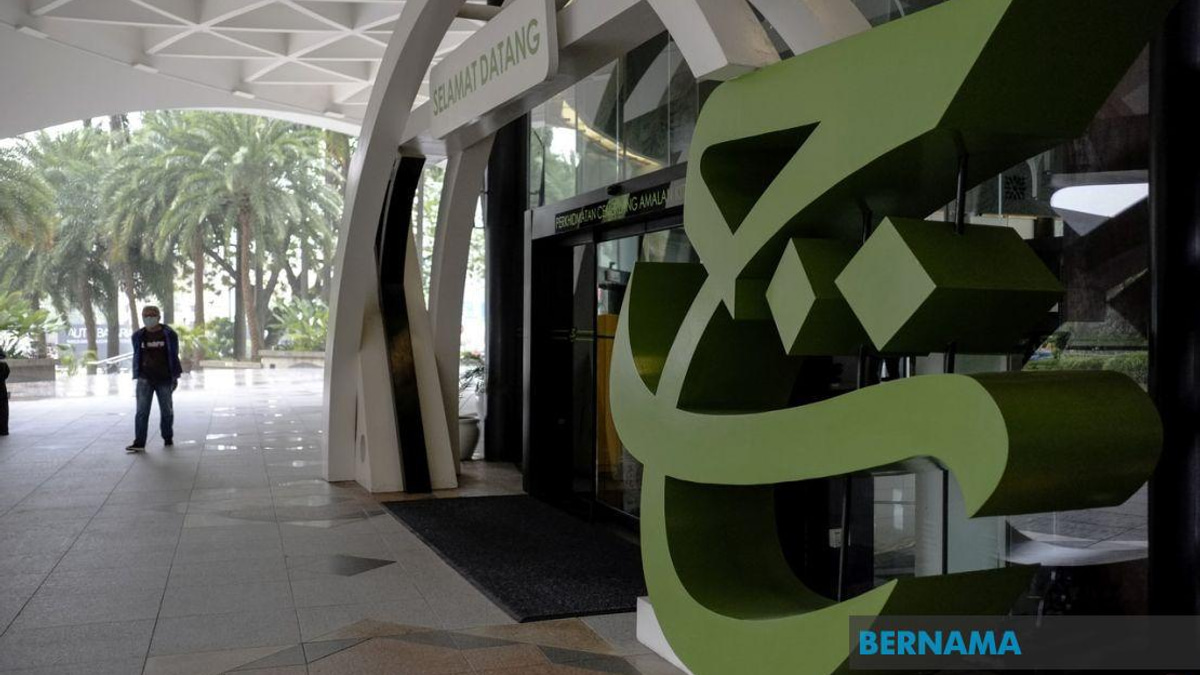
Malaysia's Cabinet has approved the declassification and public release of the Royal Commission of Inquiry report into Tabung Haji's financial crisis. The report, covering 2014-2020, contains 25 recommendations, 75% already implemented by the institution.
The Malaysian government has achieved nearly RM5 billion in savings through expenditure control measures implemented since April 2026, maintaining economic stability while protecting critical public services.
Malaysia's Economy Minister Akmal Nasrullah has signalled the government will focus on raising wages and addressing structural income deficits before expanding the tax base, even as the OECD recommends broader tax reforms to boost government revenue.
Bank Negara Malaysia has flagged concerns that wage growth is falling behind productivity gains, signalling the need to overhaul how the country's wage-setting system operates to ensure workers benefit from economic expansion.
Malaysia's agriculture ministry has proposed a nationwide census to settle the question of which fruit should represent the country officially, following separate bids from the durian and pineapple sectors.

Deputy Prime Minister Zahid Hamidi says Malaysia will gain economically from hosting the Bahrain Grand Prix, citing expected surges in tourism numbers and international prominence attracting fresh foreign investment.
Bank Negara Malaysia will roll out a more rigorous Performance Measurement Framework from July 2027 to evaluate how well Malaysia's six development banks meet their mandates and create genuine development impact.

The Ministry of Economy has allocated RM1.214 billion of its RM2.115 billion development budget by late July, ranking fourth nationally and surpassing the 45.93 percent national spending average. The ministry targets top-three positioning by December.
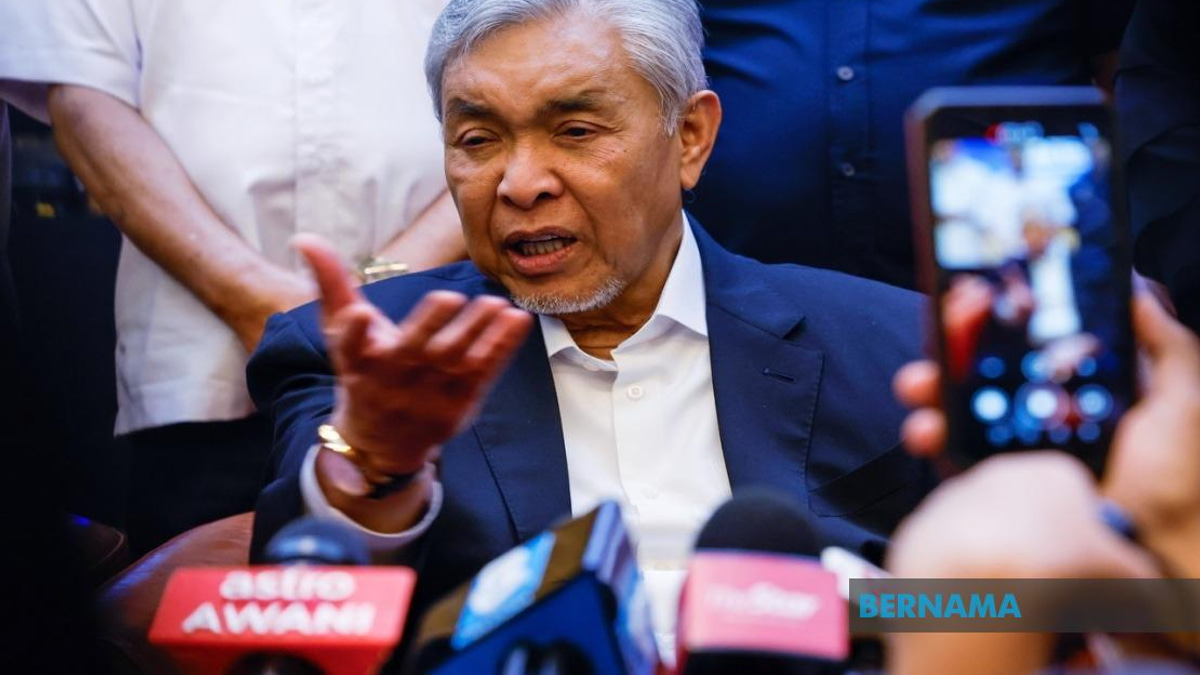
Deputy Prime Minister Ahmad Zahid Hamidi has called on Negeri Sembilan's incoming state government to adopt business-friendly policies that empower local entrepreneurs and position them for international competitiveness.
Malaysia's Economy Ministry is targeting RM58 billion in development expenditure for 2027, maintaining the 70% allocation to fundamental infrastructure projects. The proposal awaits Finance Ministry review.
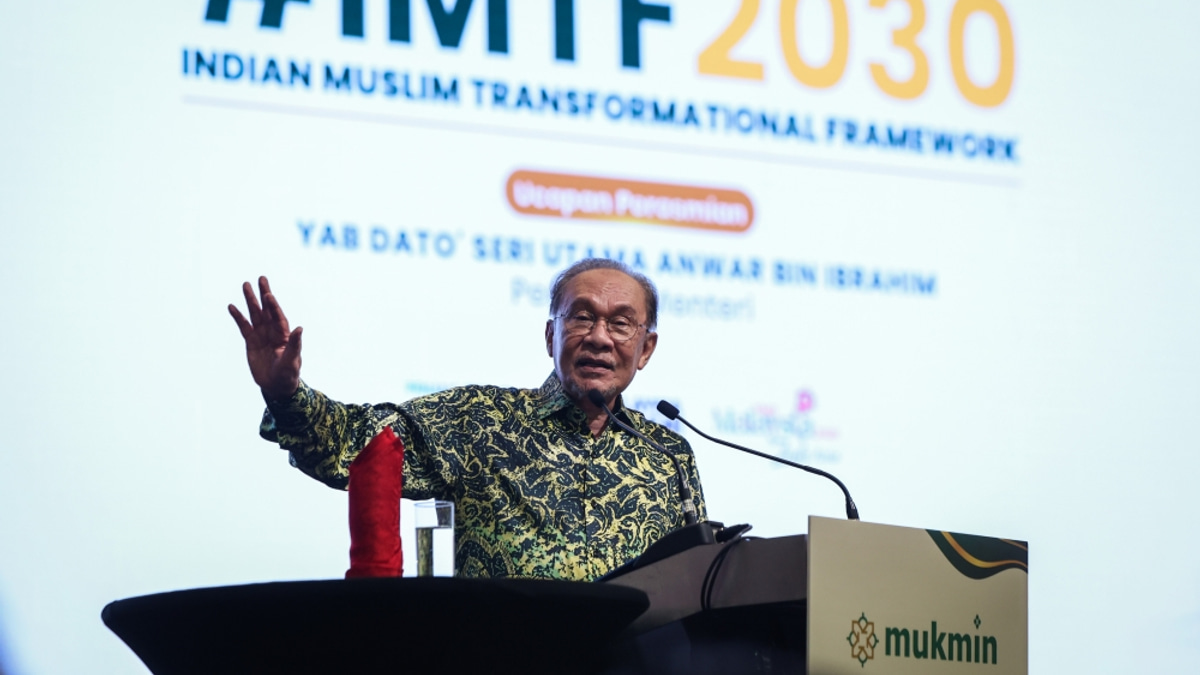
Prime Minister Anwar Ibrahim has ordered relevant ministries to resolve pending foreign worker applications within one month, with restaurants receiving priority as they grapple with acute staffing shortages affecting operations.

The inaugural Road to MAHA Labuan 2026 has surpassed expectations by drawing 30,837 visitors and generating nearly RM800,000 in sales within its first two days, putting the event on track to achieve its RM1.6 million target.
Malaysia has surged eight places to 15th in the International Institute for Management Development's World Competitiveness Ranking, marking its strongest performance in over a decade. The improvement reflects the effectiveness of government efficiency reforms and closer alignment between public and private sectors.
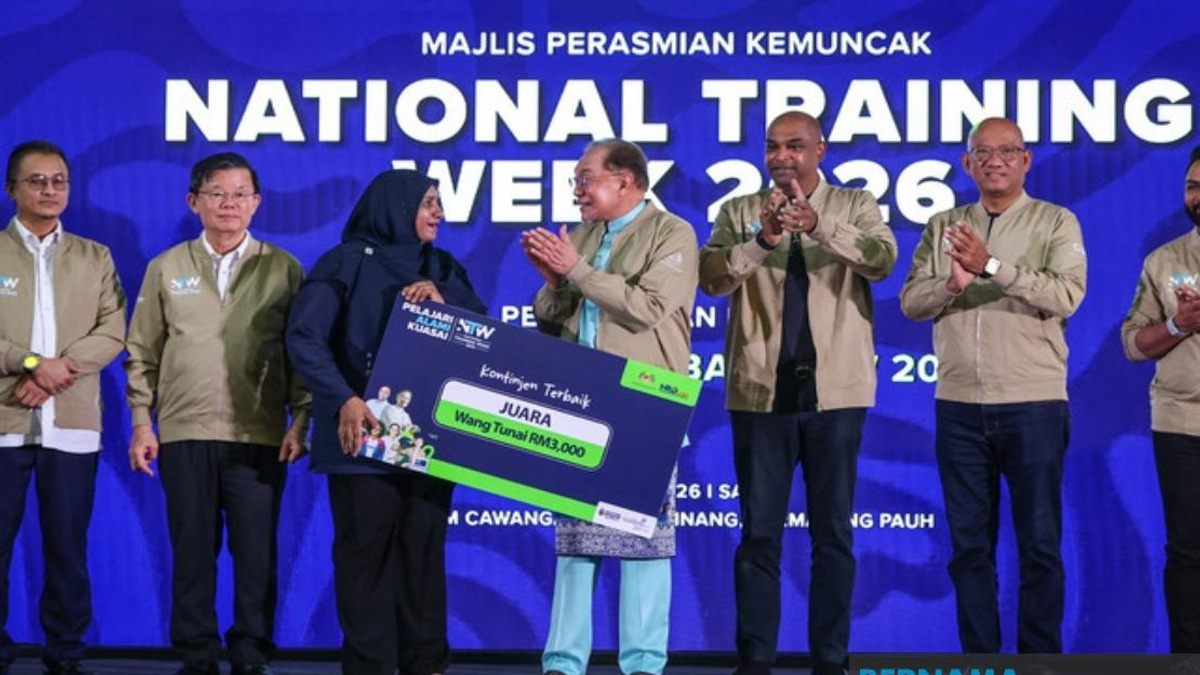
Human Resources Minister Datuk Seri R. Ramanan says Malaysia is positioned to achieve high-income nation status within the next financial year, with GNI per capita reaching USD12,380, the highest since independence.
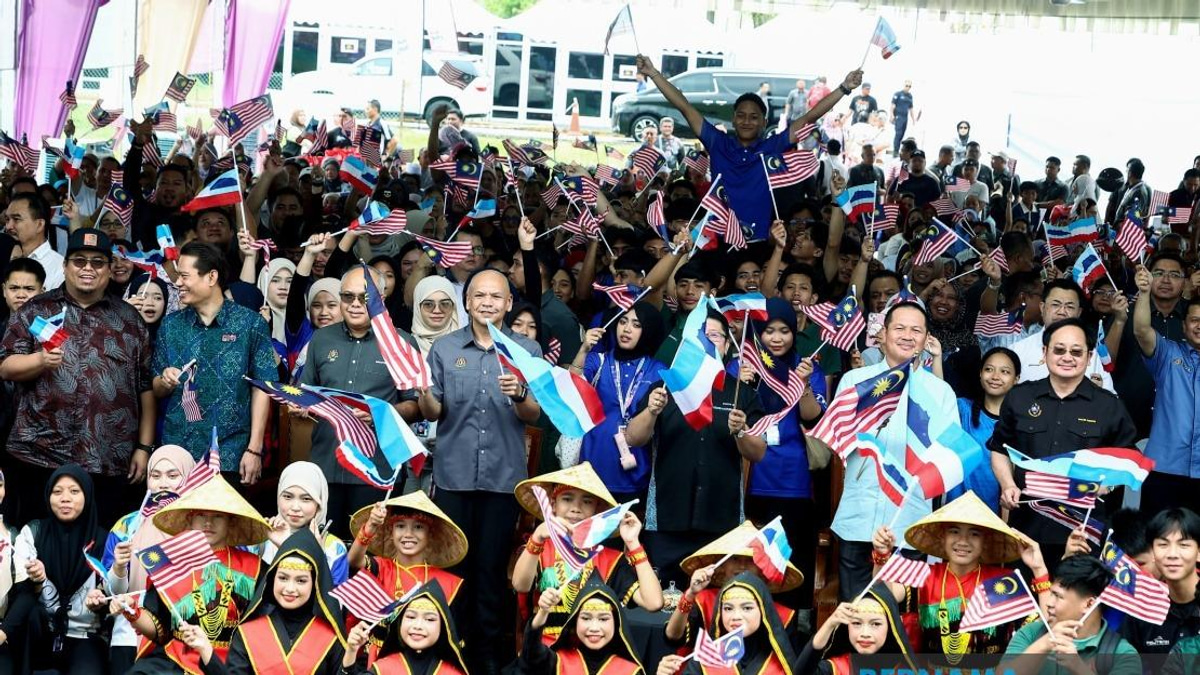
Malaysia's Cabinet has approved establishment of a ministerial committee to strengthen promotion of local products and reduce import dependence. The panel will be chaired by Deputy Prime Minister Datuk Seri Fadillah Yusof.
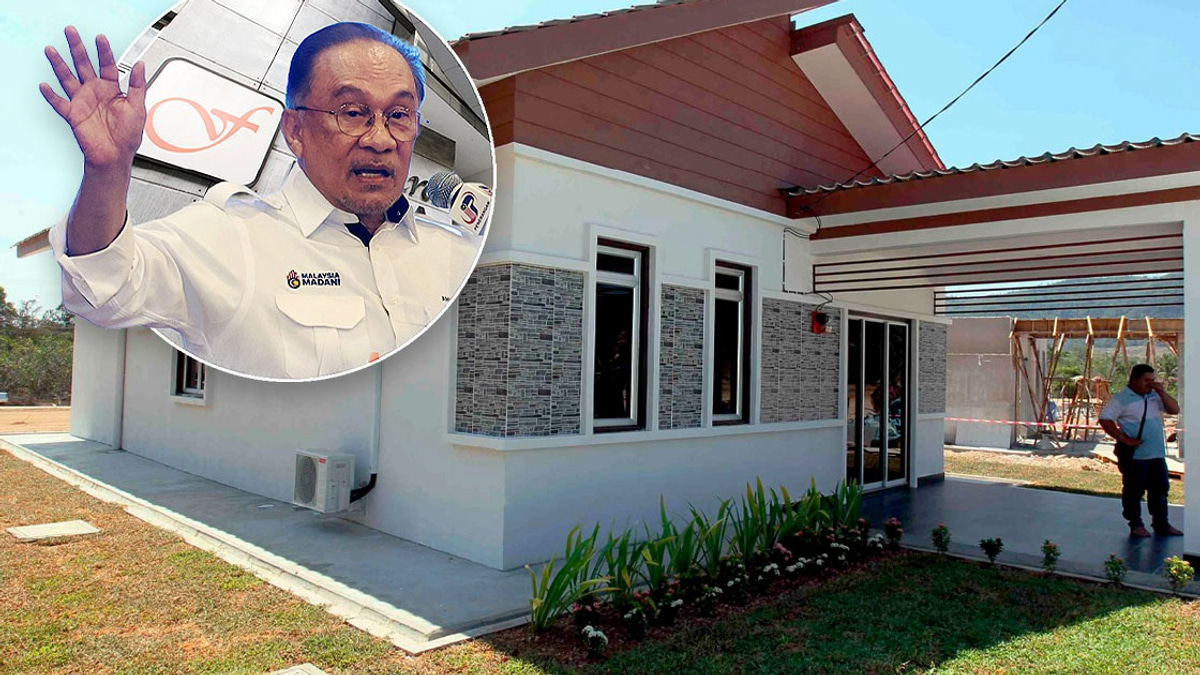
Prime Minister Datuk Seri Anwar Ibrahim plans to present a Cabinet paper on a Felda second-home policy within the next month, signalling fresh support for the federal land scheme's settlers.
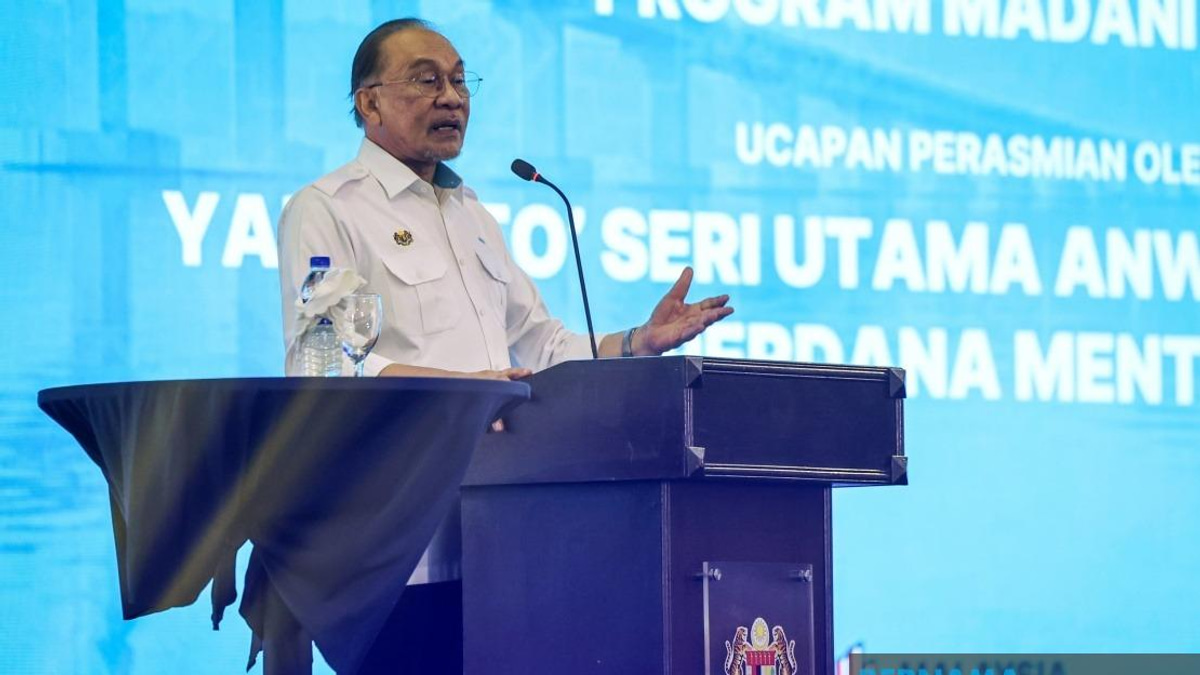
Prime Minister Anwar Ibrahim says Malaysia's internationally recognised halal certification system must be supported by strong industrial capabilities to position the country as a global halal hub and capitalise on growing international demand.
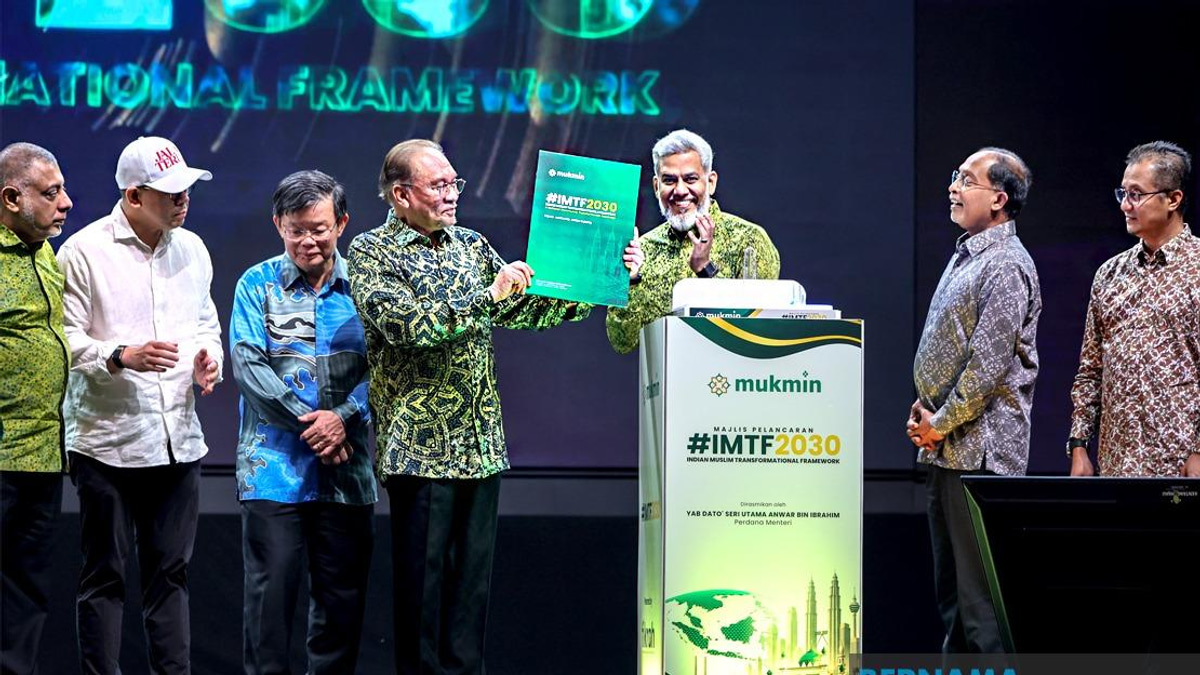
Prime Minister Datuk Seri Anwar Ibrahim has directed relevant ministries to resolve foreign worker employment application bottlenecks within a month, focusing on the restaurant sector while maintaining controlled immigration policies.
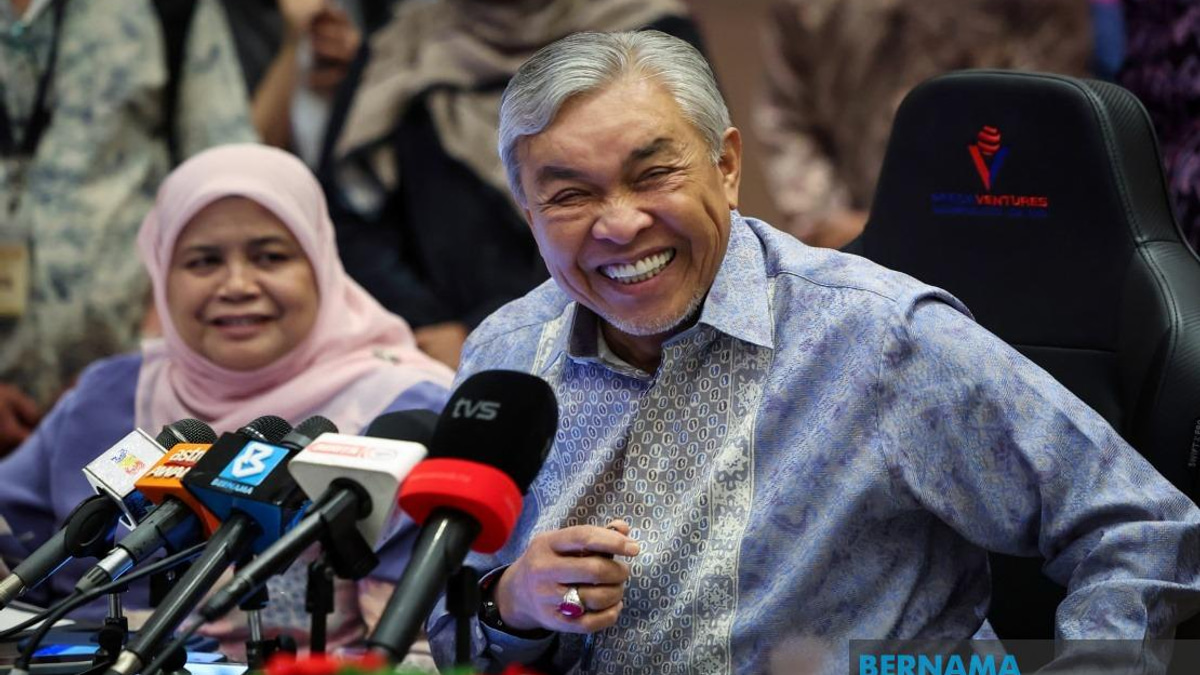
Malaysia's Ministry of Rural and Regional Development is restructuring the Desa Lestari Programme beyond cosmetic changes, aiming to raise monthly household incomes to RM2,300 through improved delivery models and local professional management.
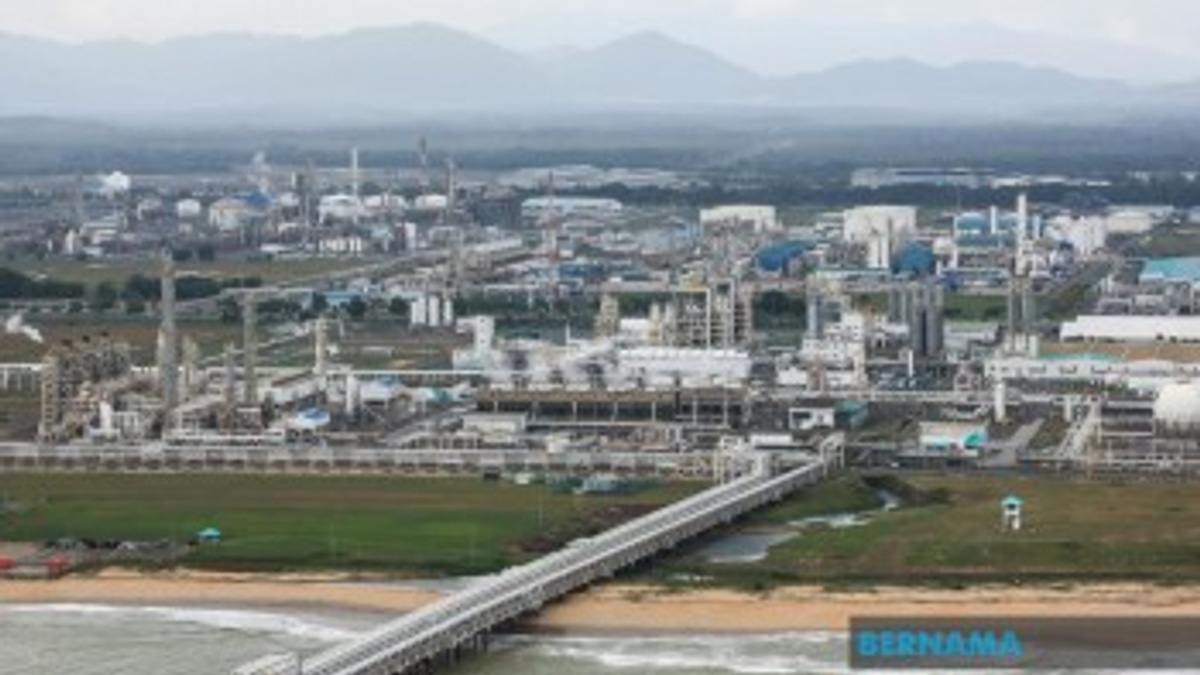
Malaysia's proposal to establish a national petroleum reserve has won analyst support as geopolitical tensions around critical shipping routes increasingly threaten regional energy stability. Experts warn the risks are now structural rather than temporary.
Malaysia's Food and Drinks Malaysia expo is projected to exceed last year's RM1.081 billion in sales, with visitor numbers expected to jump 20 per cent amid stronger international participation and robust demand for food products and ingredients.
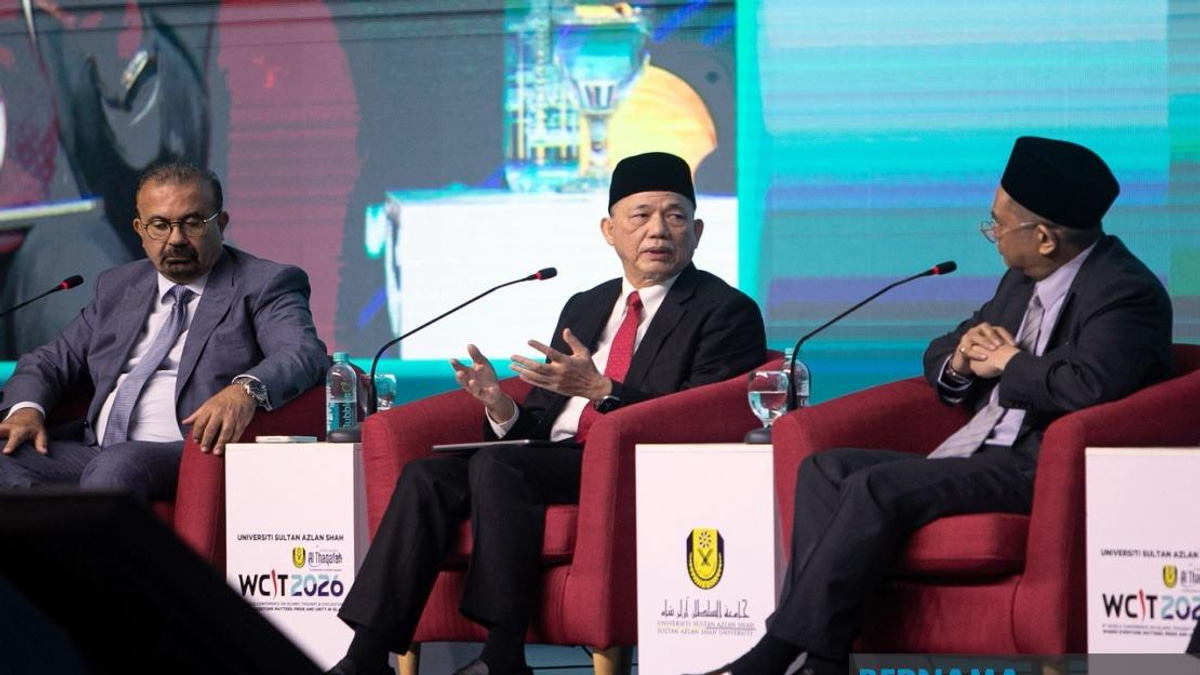
Deputy Prime Minister Datuk Seri Fadillah Yusof warns that energy security and maritime stability are now deeply interconnected, with distant geopolitical tensions affecting electricity costs, fuel supplies and regional trade flows.
Malaysia's Finance Ministry has clarified that savings from the targeted RON95 petrol subsidy introduced in April 2026 are being channelled into expanded social assistance programmes and food security measures, rather than retained as government fiscal surplus.
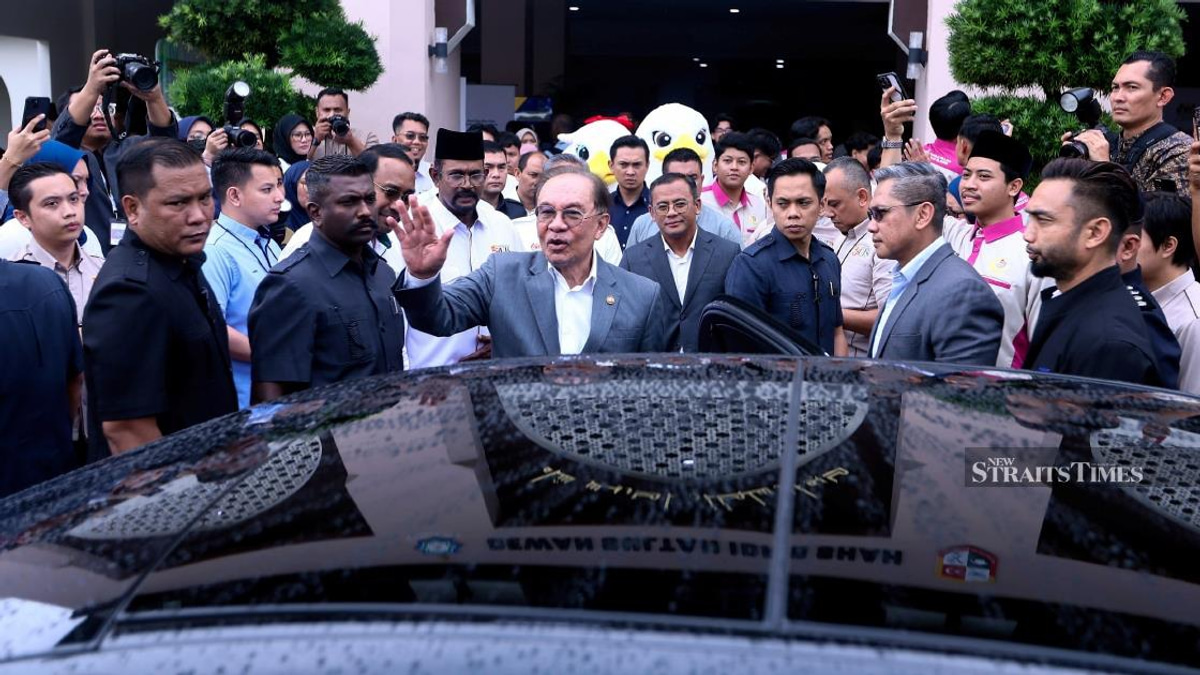
Prime Minister Anwar Ibrahim has defended Malaysia's fuel pricing strategy, citing the government's RM40 billion annual subsidy expenditure as evidence that further price cuts would destabilize public finances.
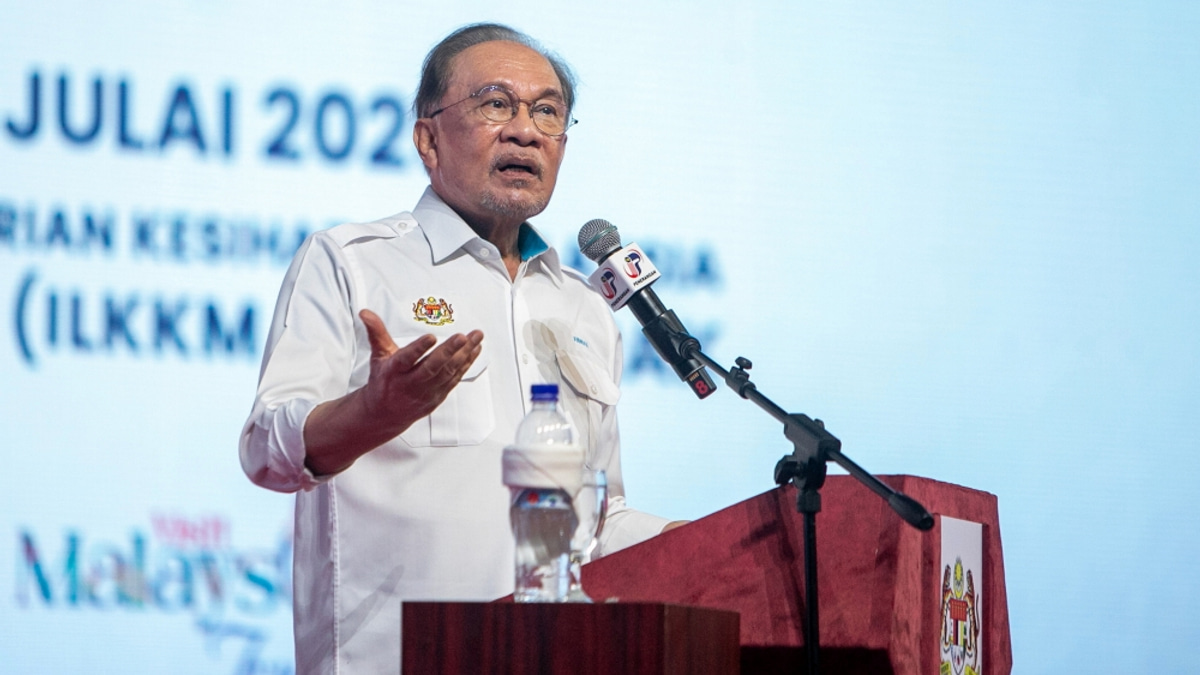
Prime Minister Anwar Ibrahim has mounted a robust defence of Malaysia's fuel subsidy framework, cautioning that abandoning current policies could trigger dangerous levels of public debt without addressing underlying economic challenges.
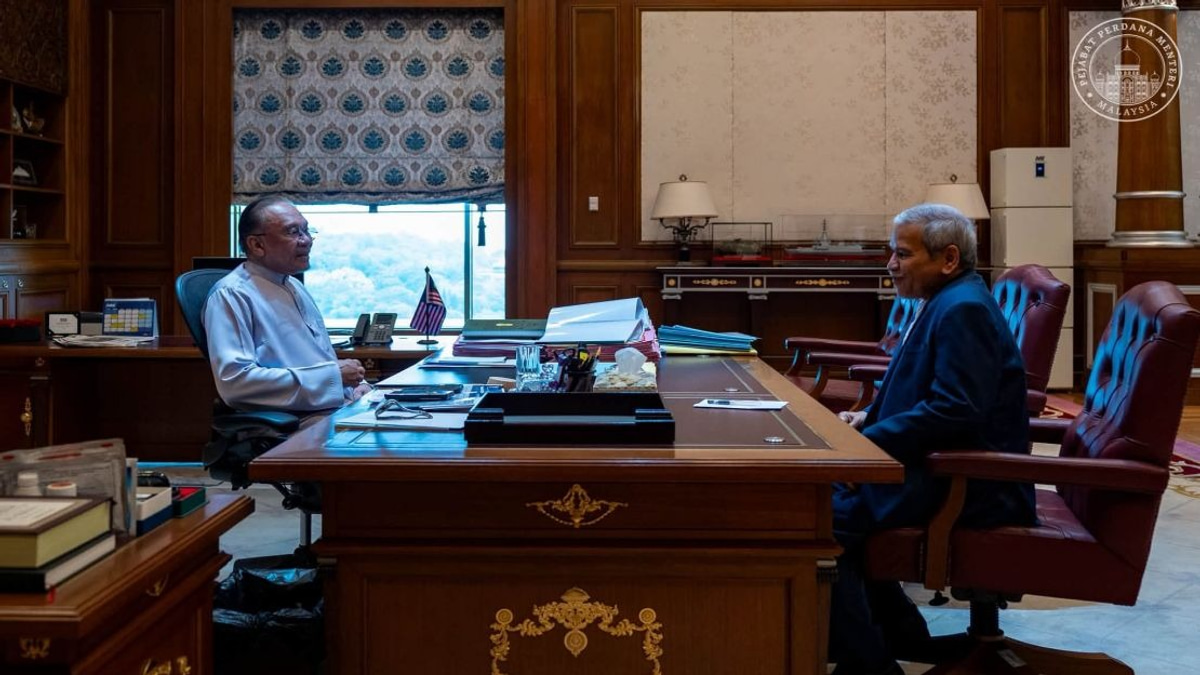
Prime Minister Anwar Ibrahim has underscored the importance of continuously strengthening FELDA to support settlers and their families, pledging government backing for the institution's modernisation and relevance.
Malaysia's major ports are positioned to capitalise on supply chain diversification and the shift towards sustainable shipping, with container volumes rising and green bunkering infrastructure expanding.

Prime Minister Anwar Ibrahim has pointed to Malaysia's second-quarter GDP growth as evidence of the nation's economic durability, crediting three years of government reforms for solidifying the country's financial foundation.

Malaysia's second-quarter GDP expanded 5.8%, marking robust economic momentum. PM Datuk Seri Anwar Ibrahim marked the milestone during Friday prayers at Nilai, signalling confidence in the nation's recovery trajectory.
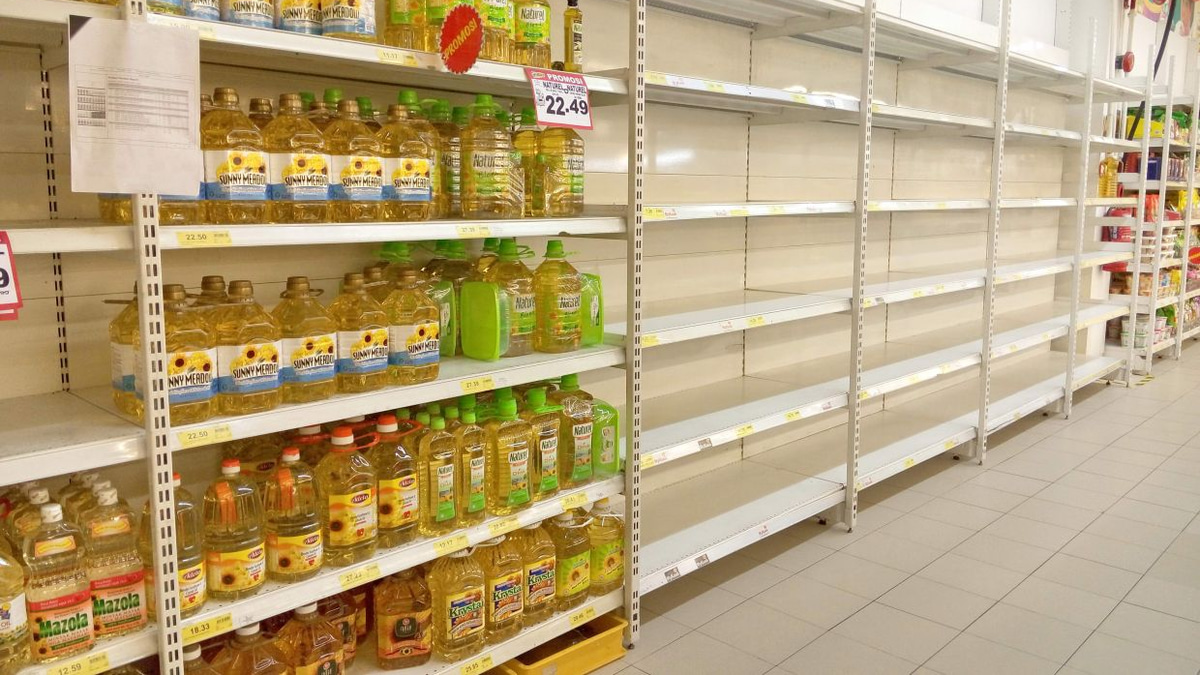
Malaysia's Public Accounts Committee has uncovered RM10.879 billion in missing cooking oil subsidies over six years, raising urgent questions about government accountability and the effectiveness of targeted assistance programmes.
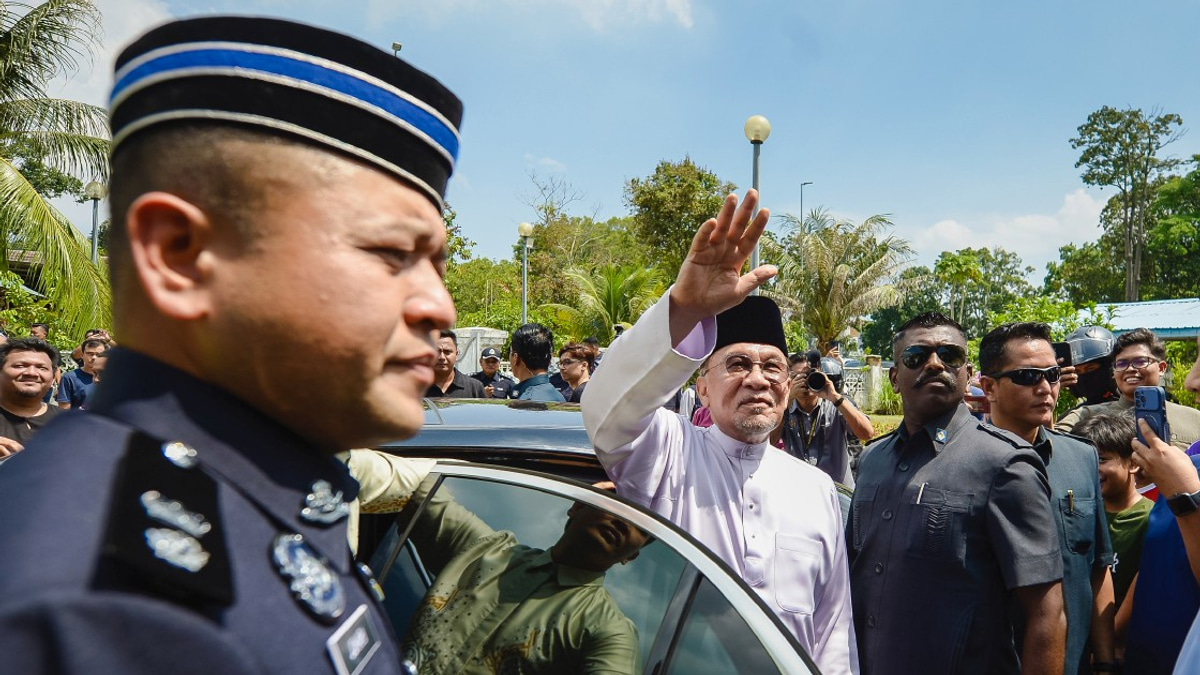
Malaysia's second-quarter economic growth reached 5.8%, accelerating from the first quarter's 5.4% expansion. Prime Minister Datuk Seri Anwar Ibrahim welcomed the momentum, signalling sustained recovery.
Malaysia's parliament has approved the Statistics Bill 2026, replacing legislation dating back to 1965. The new framework aims to improve data quality and coordination across government agencies.
Malaysia will approve data centre projects only after confirming adequate energy and water supply for residents and industries, a deputy minister confirmed to parliament.
An economist advises Malaysia to pursue a measured, cost-effective strategy for building petroleum reserves rather than copying large-scale international models, emphasising rigorous cost-benefit analysis before implementation.
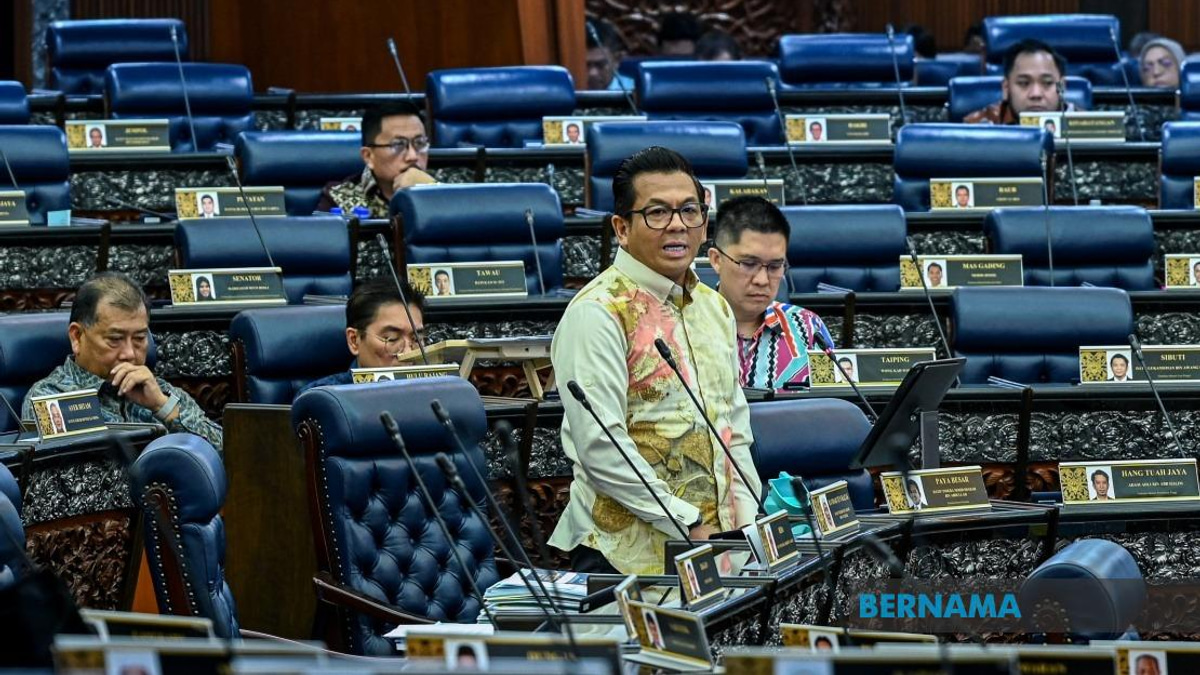
Malaysia's government is leveraging the PAKW basic living expenditure framework to design targeted interventions addressing the widening cost-of-living gap between urban and rural areas, with significant variations identified across states.
Malaysia's Ministry of Human Resources is intensifying efforts to create competitive job opportunities across rural regions, implementing wage reforms and skills programmes to retain young workers in their home communities.
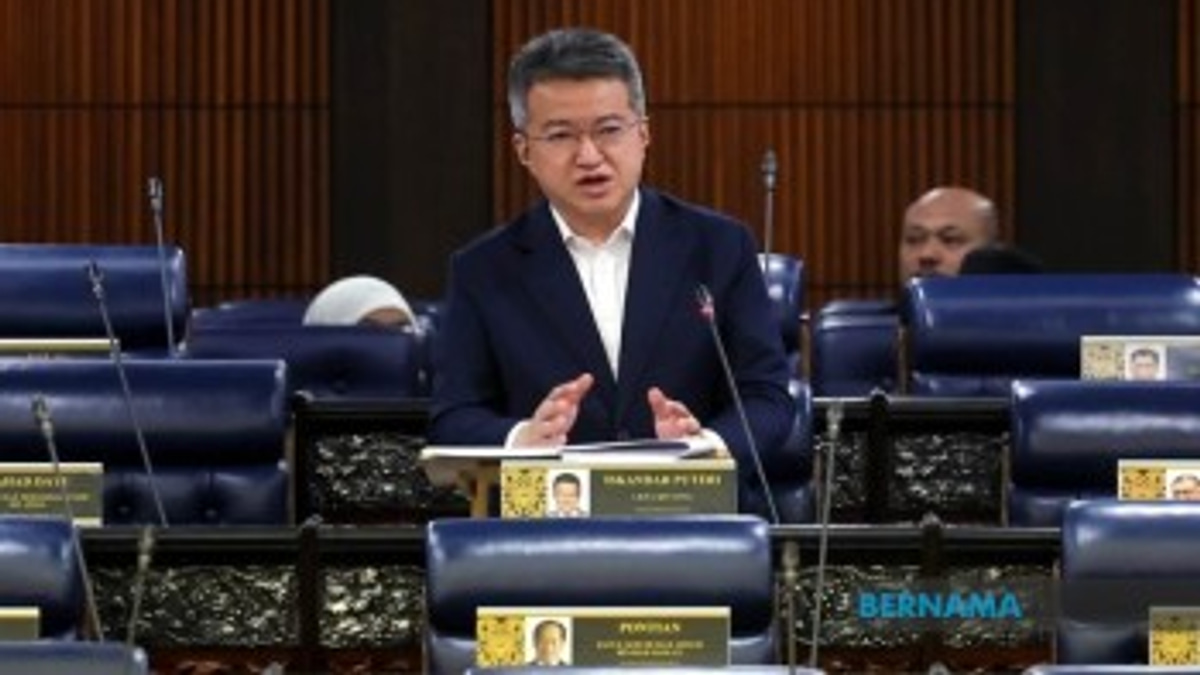
Malaysia's government has no immediate plans to revise Budget 2027 fiscal projections despite facing an estimated RM40 billion increase in fuel subsidy expenditure from elevated oil prices, Deputy Finance Minister Liew Chin Tong told parliament.
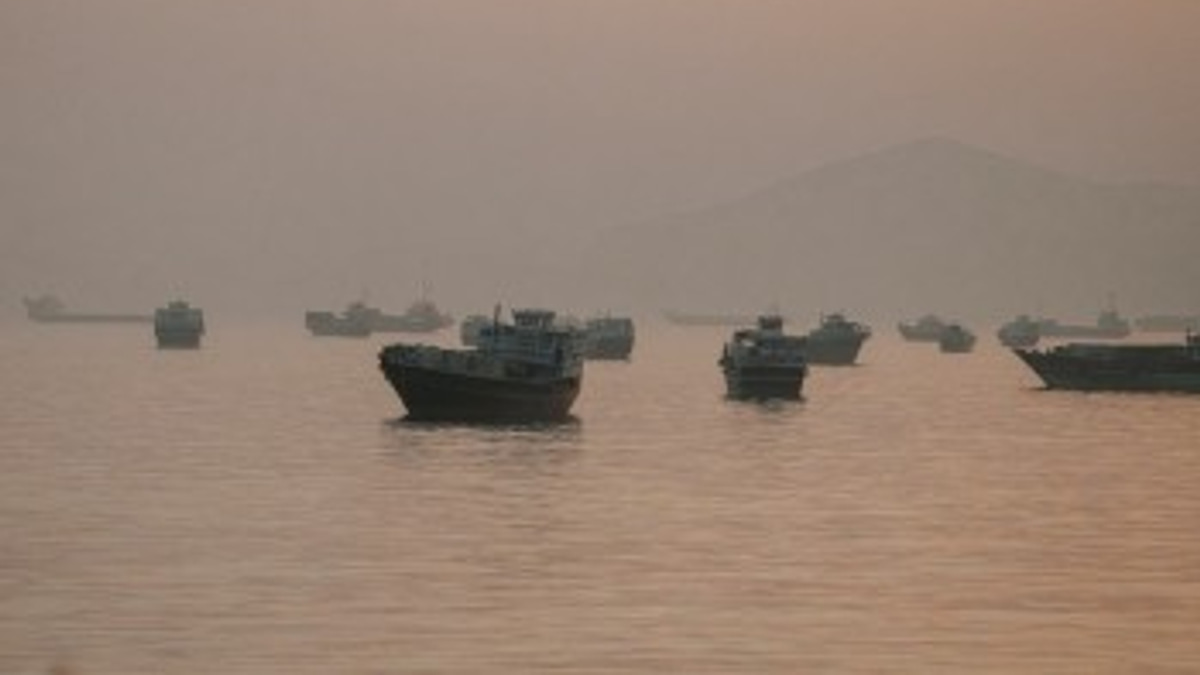
Malaysia's Economy Minister Akmal Nasrullah urges vigilance as Iran closes the Strait of Hormuz, warning of cascading impacts on oil prices, shipping costs, and supply chains affecting multiple sectors.
Malaysia expects to contain its 2026 fiscal deficit at 3.6 per cent of GDP despite allocating an extra RM25 billion for fuel subsidies, relying on revenue growth and spending shifts rather than increased borrowing.
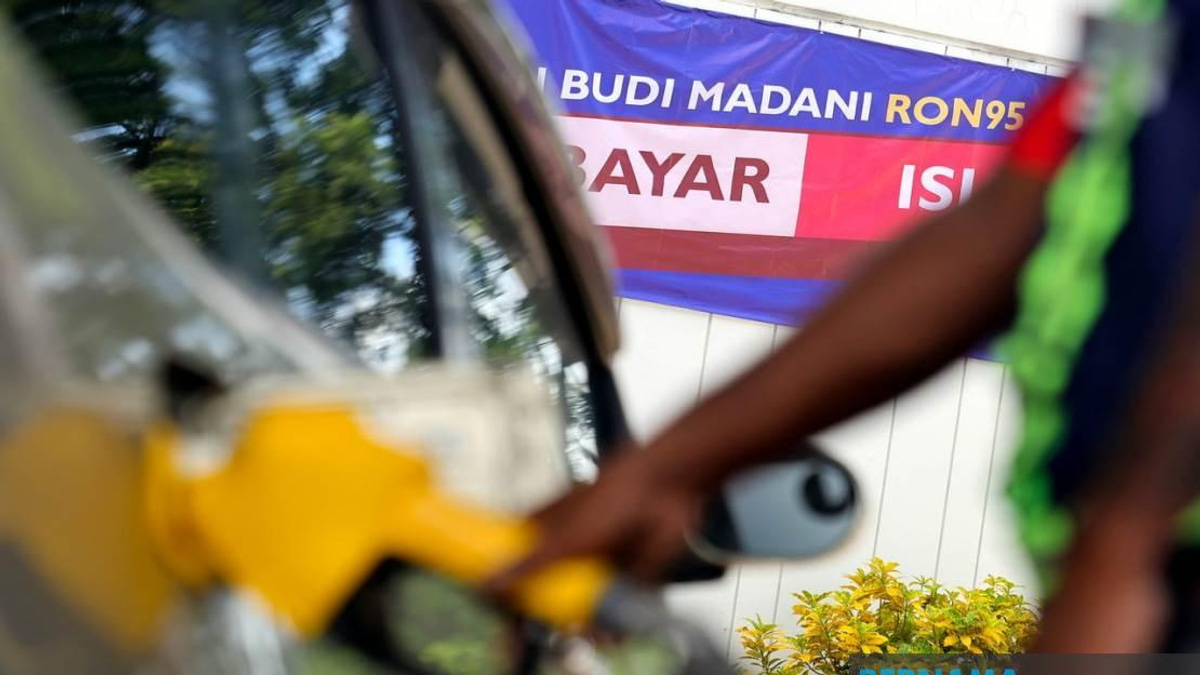
Malaysia's government has committed to preserving all social assistance programmes including cash handouts, despite bearing nearly RM40 billion in petroleum subsidies this year due to regional tensions affecting global oil prices.
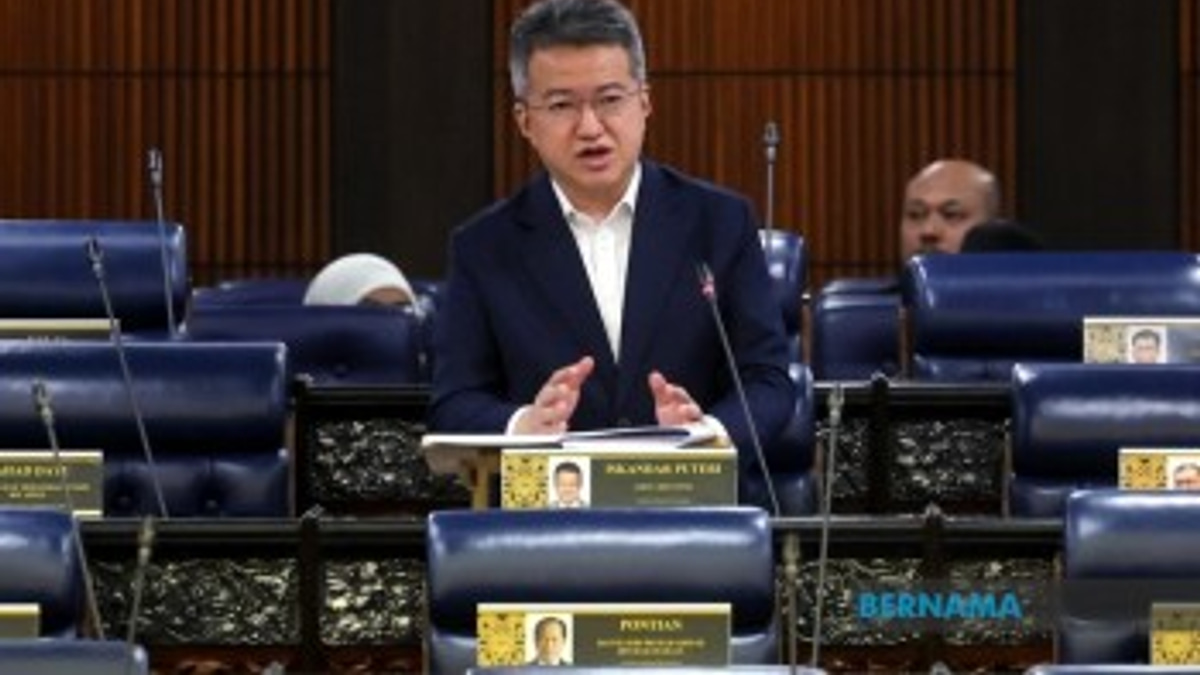
Parliament's first reading of the National Trust Fund Bill 2026 marks a major step toward establishing Malaysia's sovereign wealth reserve. The legislation mandates structured government contributions and independent asset management for long-term fiscal sustainability.
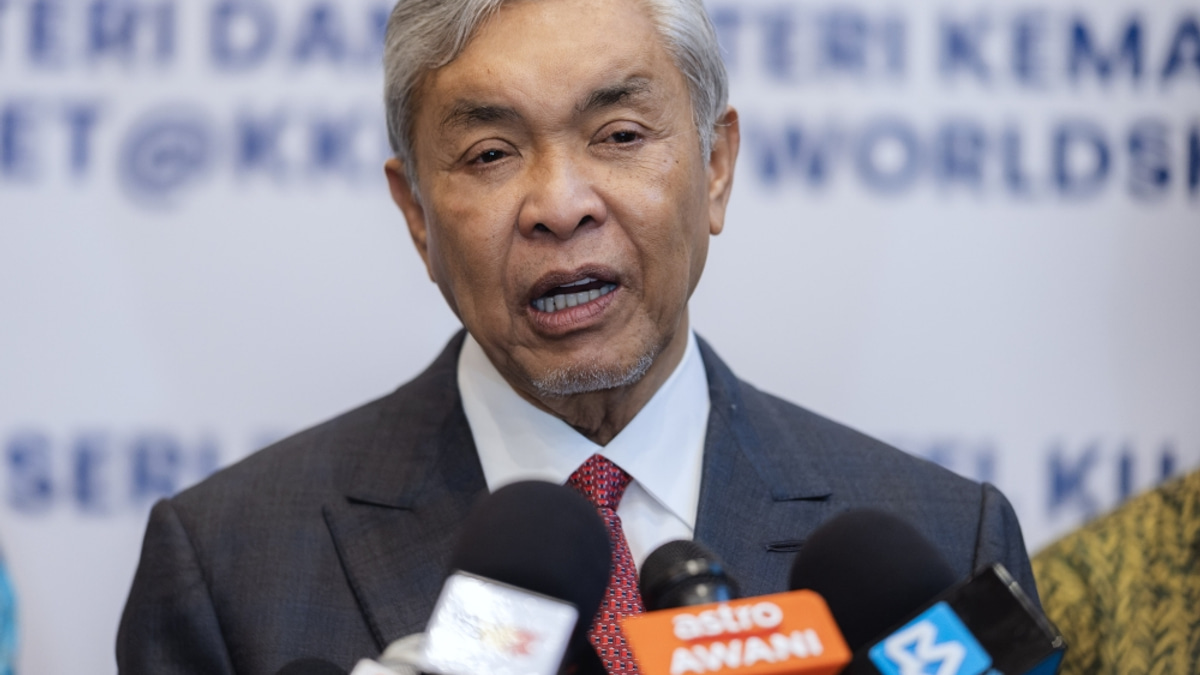
Deputy Prime Minister Datuk Seri Dr Ahmad Zahid Hamidi has announced a fully sponsored umrah pilgrimage for TVET trainees who secure gold medals at the WorldSkills competition, recognizing excellence in vocational training.
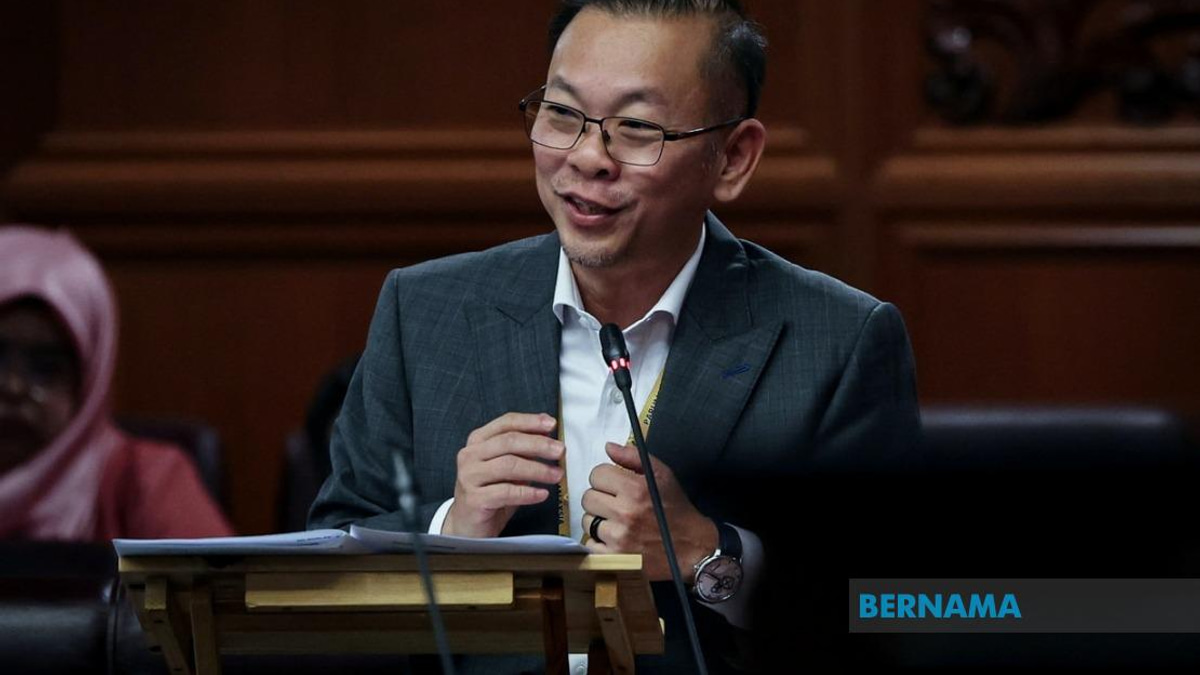
Malaysia is making progress toward agricultural self-sufficiency through targeted incentive schemes, with beef and dairy production ratios rising significantly in 2025 despite global input cost pressures.
The government will examine proposals from the Malaysian Plastics Manufacturers Association through MITI and the Economy Ministry, addressing supply chain pressures and rising material costs affecting the RM62.69 billion industry.
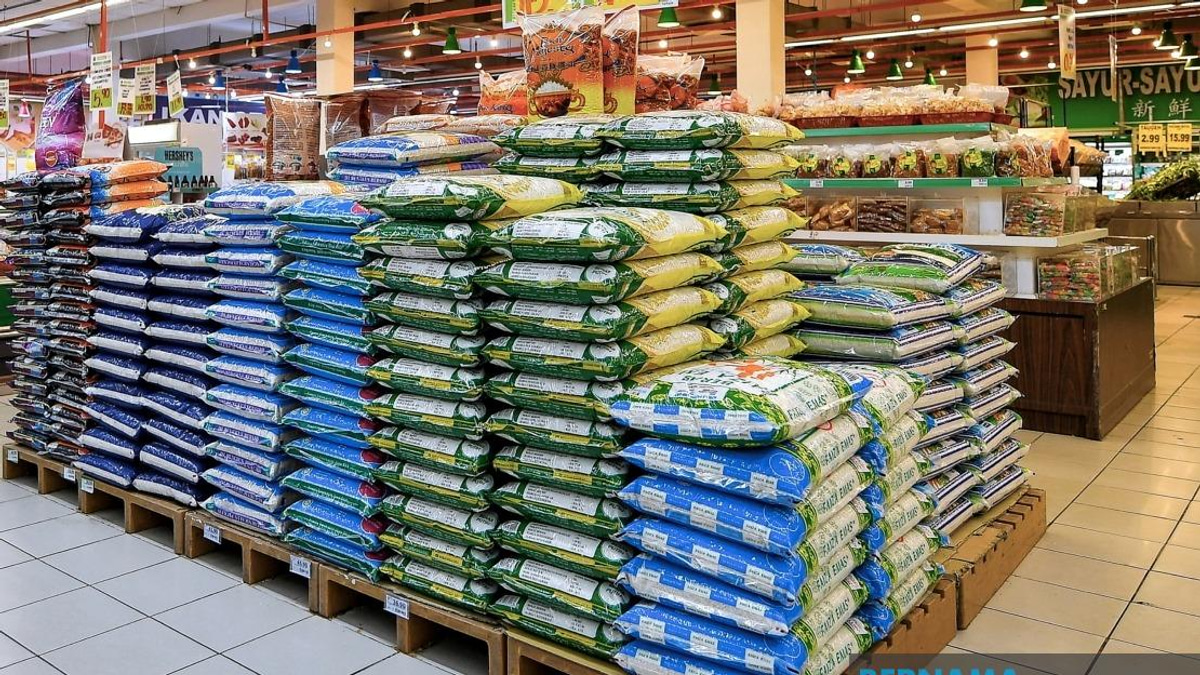
Malaysia's rice buffer stocks remain sufficient to meet domestic consumption for six months, with the government committing to stable pricing for Local White Rice despite mounting global supply pressures.
A Ministry of Human Resources study across three major Malaysian regions demonstrates that flexible work arrangements substantially improve worker productivity and operational efficiency, prompting the government to expand tax incentives for adopting companies.
Malaysia's Finance Ministry has assured parliament that the federal government's statutory debt will remain below the 65% GDP threshold through 2026, even as the government manages economic pressures from regional geopolitical tensions.
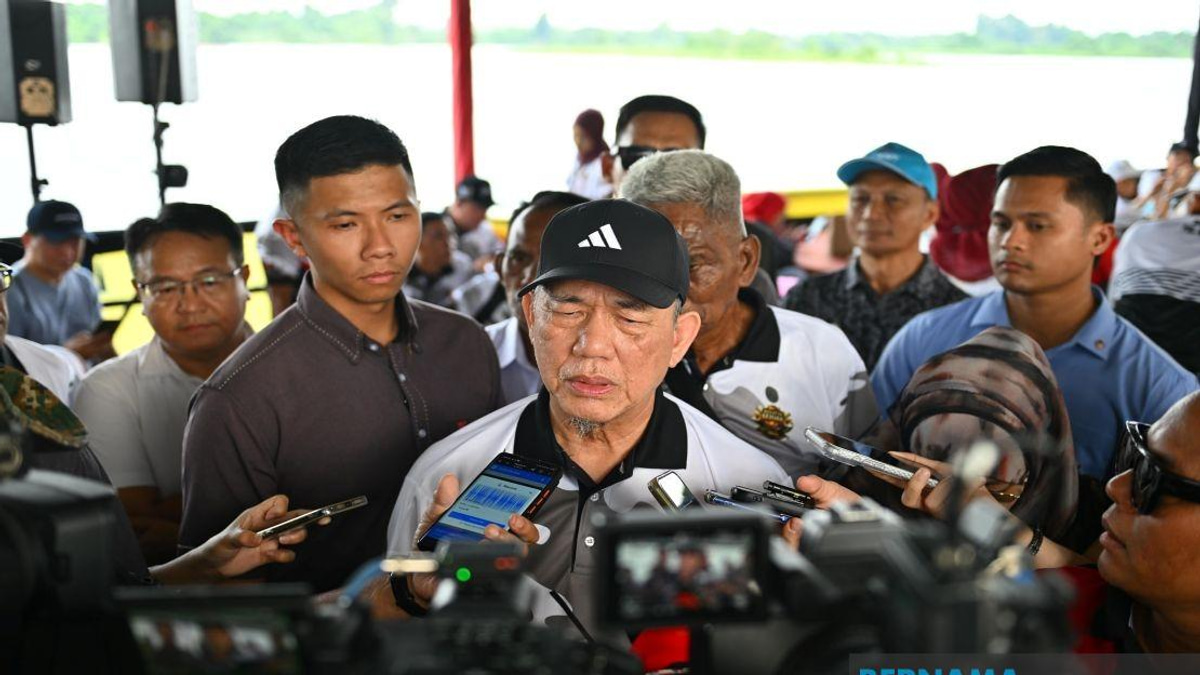
Malaysia faces no immediate energy supply disruptions despite escalating tensions in the Strait of Hormuz, Deputy Prime Minister Fadillah Yusof confirmed. However, global oil price volatility poses ongoing financial challenges for the government's subsidy programmes.
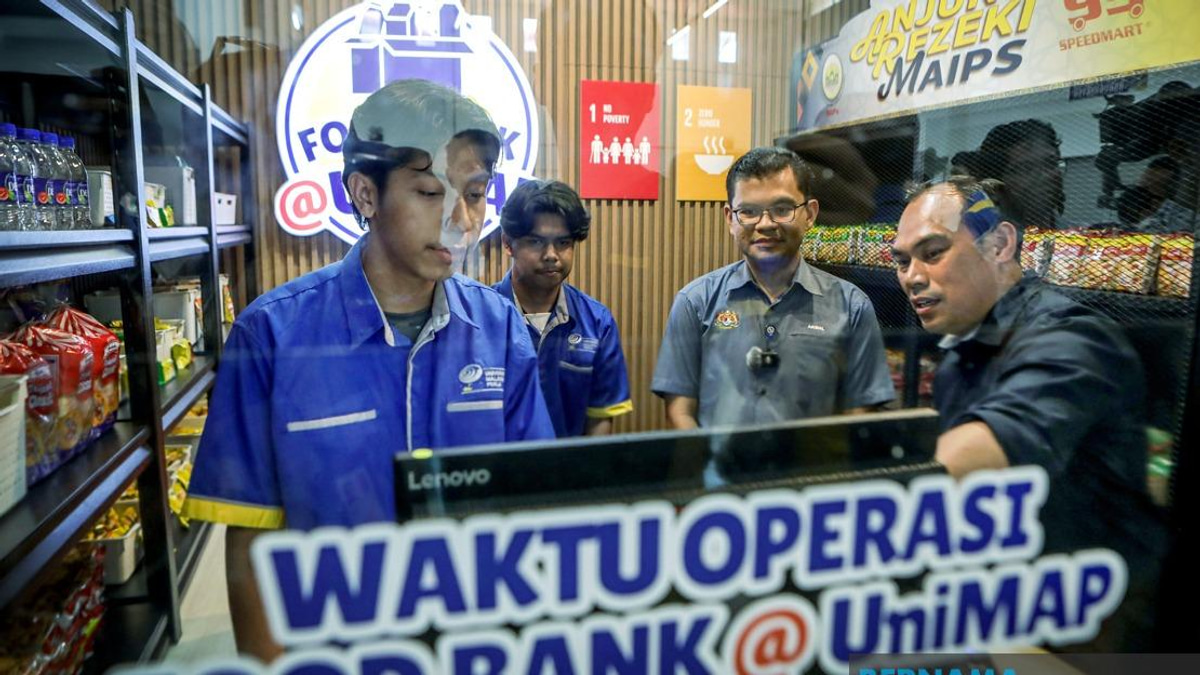
Malaysia's Economy Ministry is seeking to extend the IPR-INSAN programme, which connects low-income entrepreneurs with consumers through vending machines offering affordable cooked food, particularly at universities.
MBSB Investment Bank has raised its 2026 Malaysia GDP growth forecast to 4.5%, driven by robust export performance and controlled inflation, with analysts expecting Bank Negara to maintain the overnight policy rate at 2.75% throughout the year.
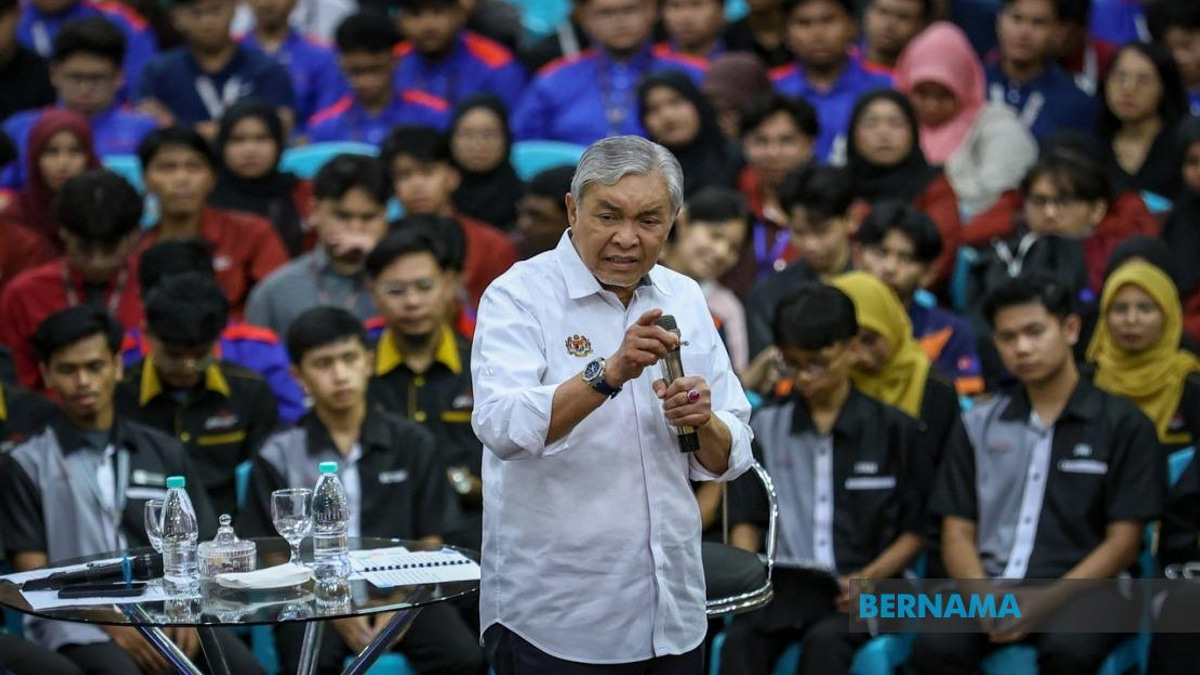
Deputy Prime Minister Ahmad Zahid Hamidi has encouraged Malaysia's estimated 1.2 million gig economy workers to pursue technical and vocational training to enhance career prospects beyond ride-hailing and delivery work.
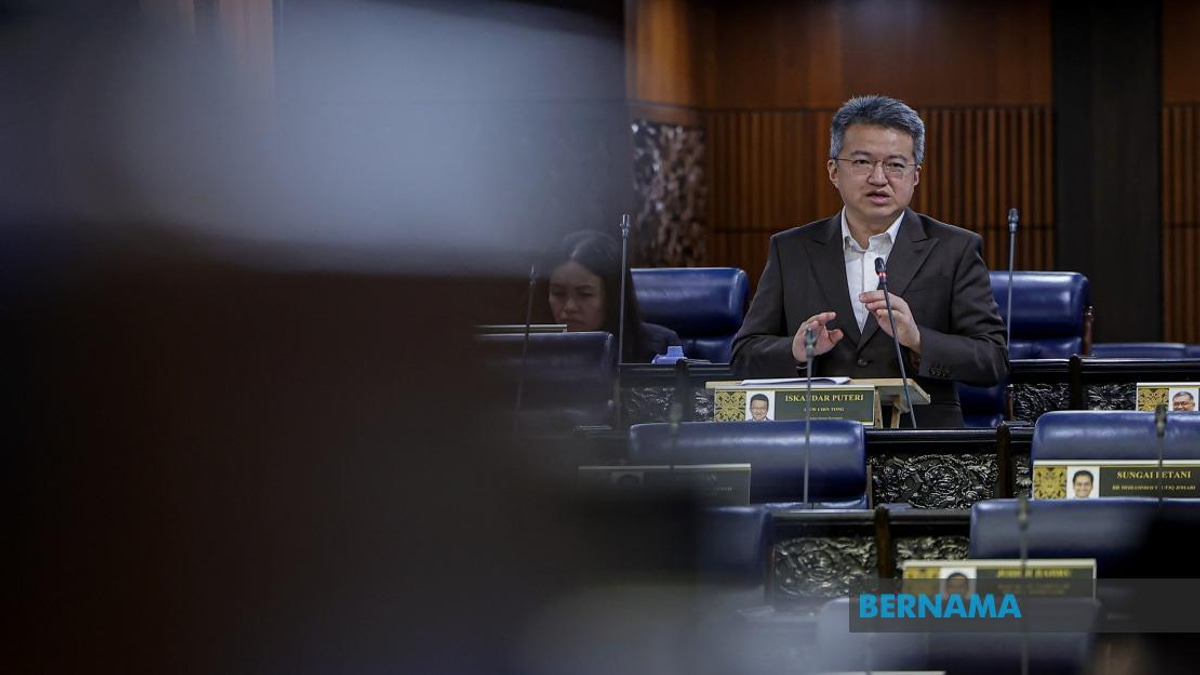
The Malaysian government is implementing sweeping governance reforms including new fiscal laws and expanded auditor powers to prevent another 1MDB-scale scandal and rebuild international investor confidence.

The FBM KLCI declined as Malaysian investors adopted a cautious stance ahead of Bank Negara's interest rate announcement and Johor elections, while a broader technology sell-off swept across regional markets.
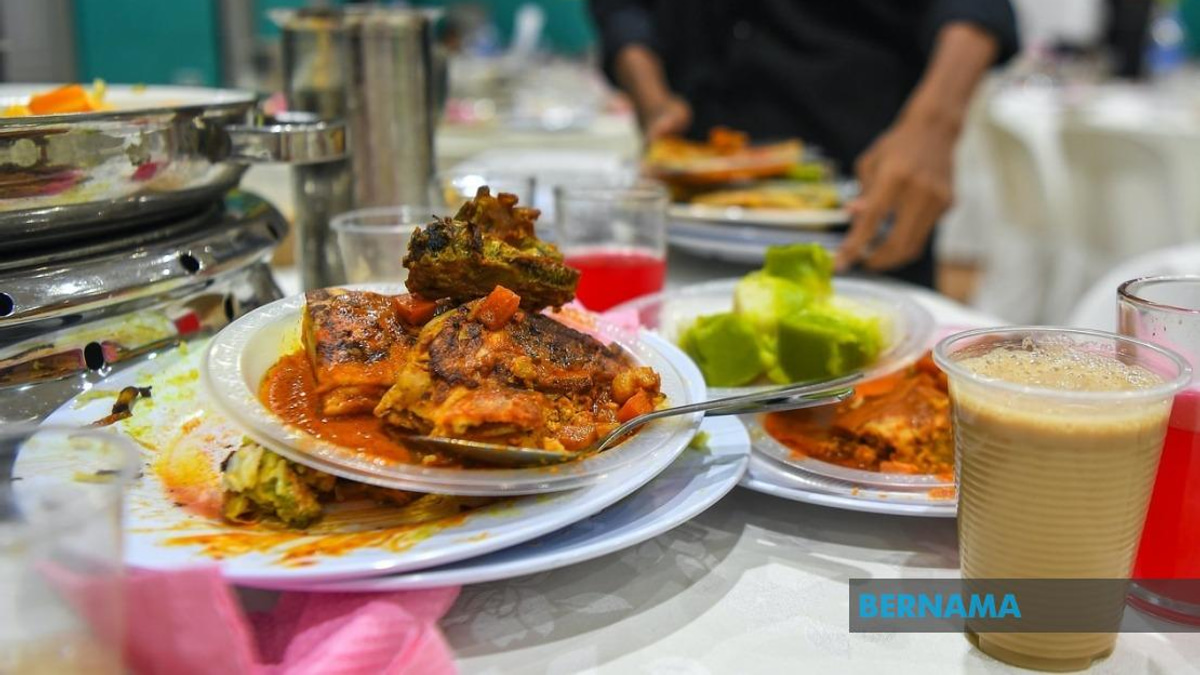
Household food waste in Malaysia correlates directly with income levels and lifestyle shifts, with urban and wealthy states generating significantly more waste, the departing Chief Statistician reveals.
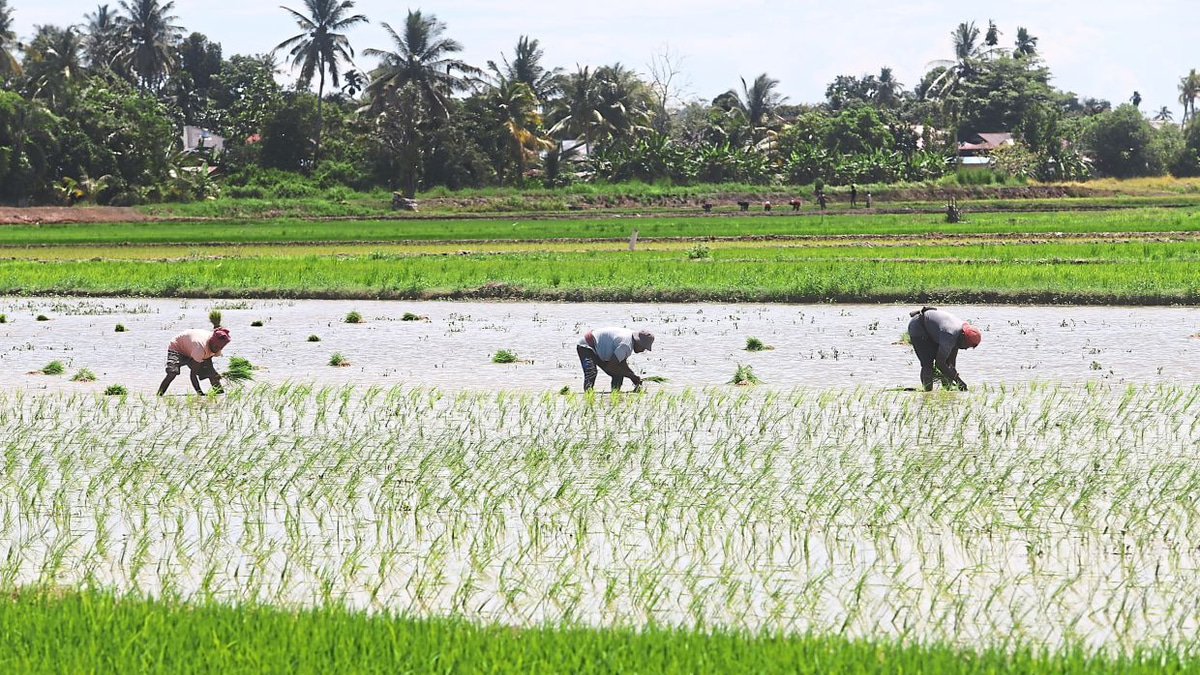
Malaysia has maintained stable food prices despite Middle East tensions disrupting global shipping and energy supplies, through targeted agricultural subsidies and long-term productivity improvements aimed at reducing dependence on imports.
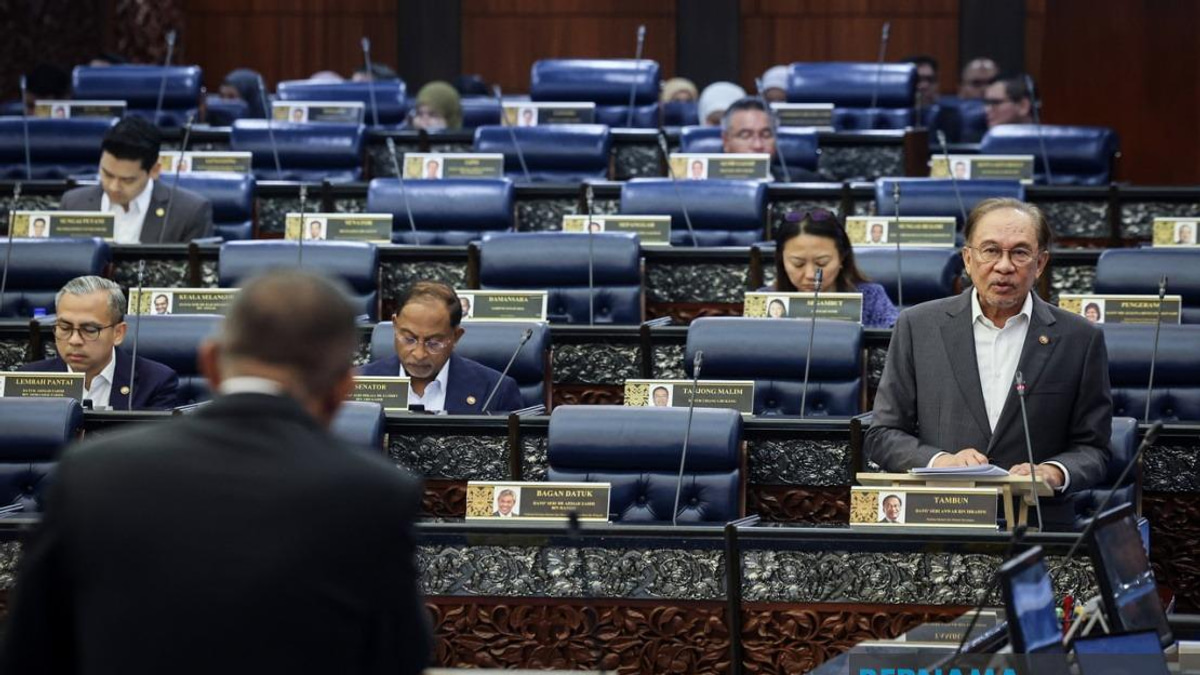
Prime Minister Anwar Ibrahim announced that Syarikat Jaminan Pembiayaan Perniagaan has approved RM4.9 billion in financing for more than 6,000 MSMEs during the first half of 2026, part of the government's RM15 billion support package.
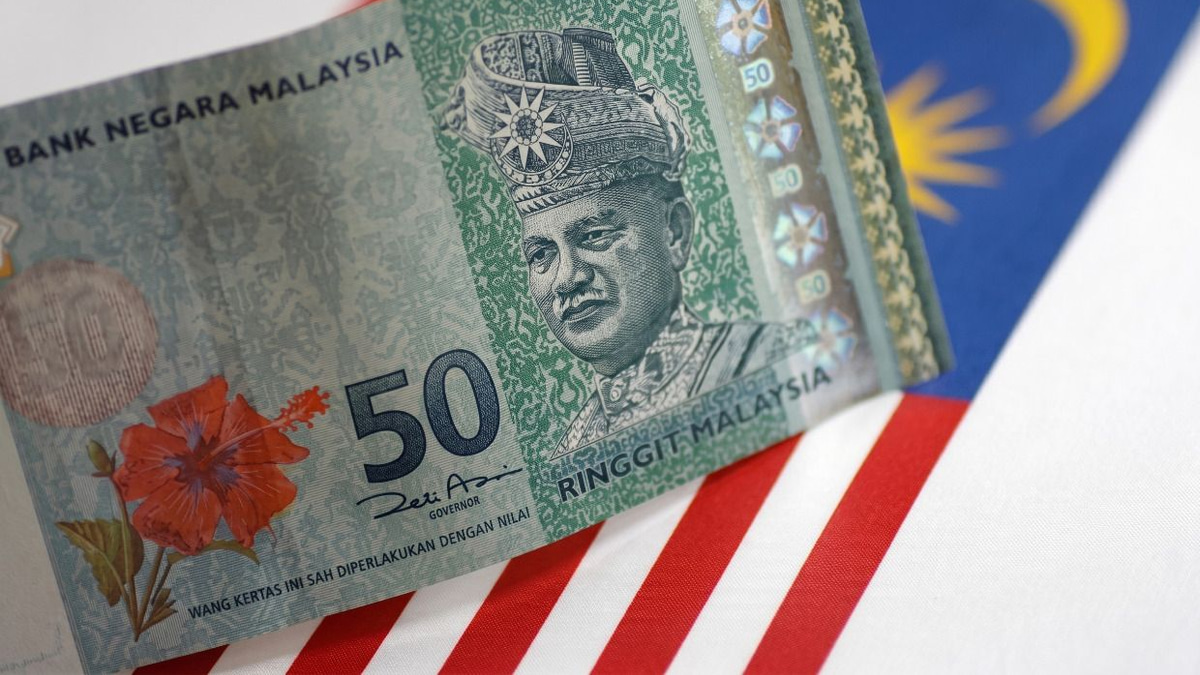
The ringgit is positioned for a recovery after a weak first half, with Bank Negara Malaysia's capital flow initiatives and Malaysia's strong economic fundamentals expected to drive gains through 2025.
CIMB Treasury forecasts Bank Negara Malaysia will hold the overnight policy rate at 2.75% this week, citing diminished inflation risks from softer global oil prices and the BUDI Diesel programme reducing pressure on Malaysian prices.
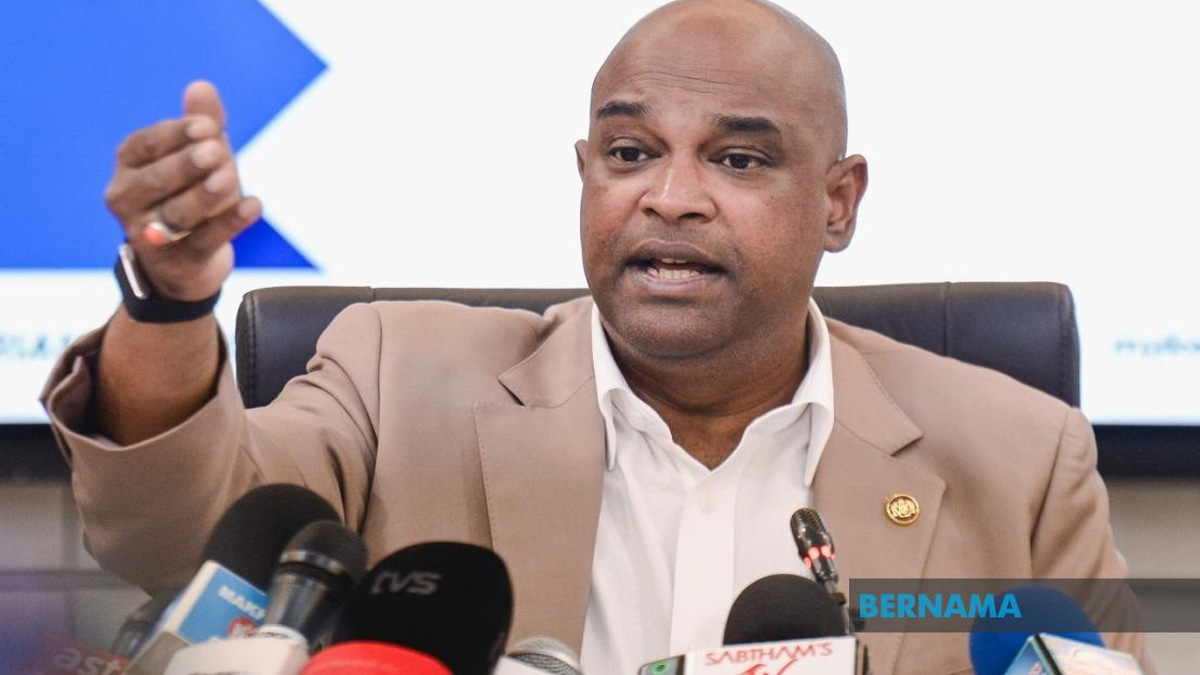
Malaysia's Human Resources Ministry has fully transitioned foreign worker quota applications to a digital eQuota platform, replacing ad-hoc approvals with a standardised system. The shift follows a Cabinet restructuring placing the Foreign Worker One-Stop Centre under KESUMA.
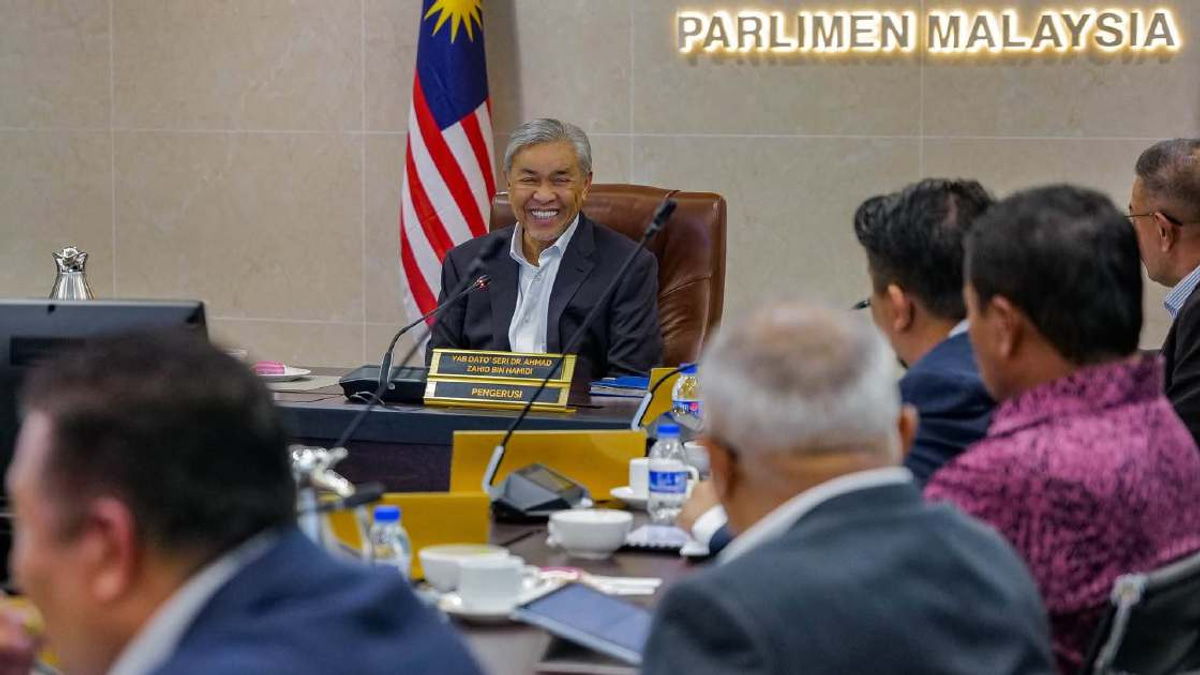
Deputy Prime Minister Datuk Seri Dr Ahmad Zahid Hamidi has announced that Malaysia will restructure its foreign worker management framework to improve coordination, operational efficiency, and alignment with sectoral requirements.

Malaysia's entrepreneur development ministry has pledged to eliminate political interference and insider dealings from its fund approval process, ensuring eligibility alone determines access to business financing.
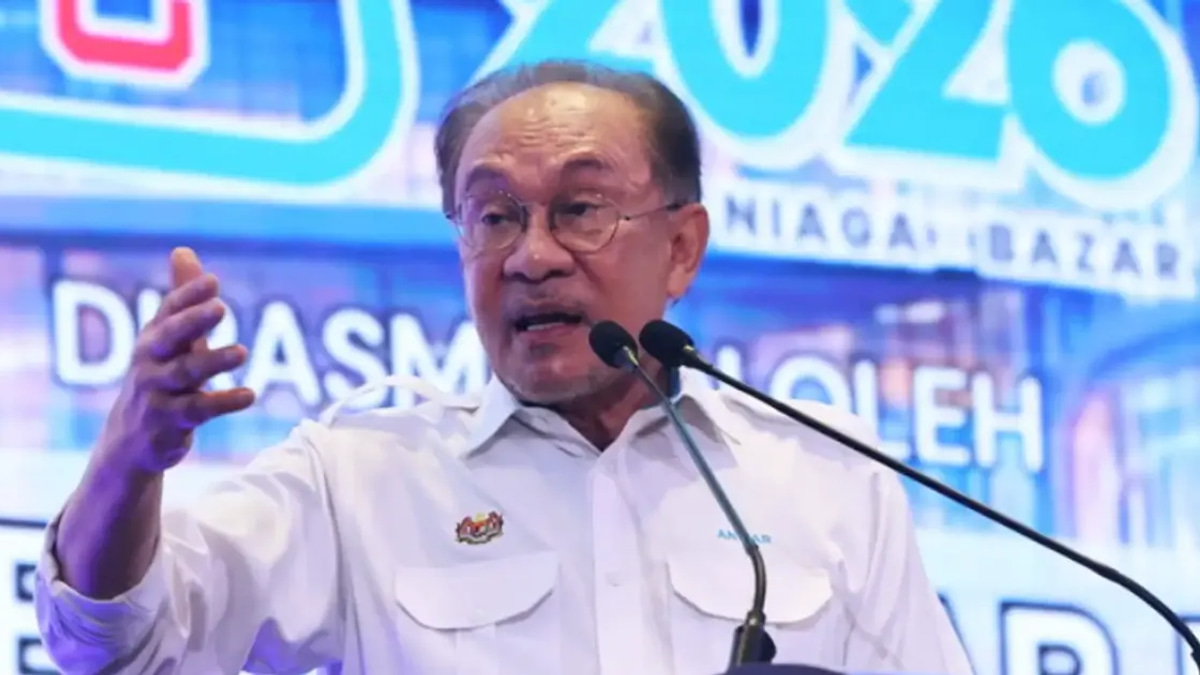
Prime Minister Anwar Ibrahim has instructed Bumiputera agencies to cease approving startup loans solely on endorsement letters, citing widespread misuse of funds for luxury purchases rather than genuine business development.

Prime Minister Anwar Ibrahim has dismissed suggestions that any state has been neglected in government development plans, emphasising Johor's status as a key investment hub driving economic expansion.
Malaysia is strategically timing the launch of the Johor-Singapore Special Economic Zone master plan to coincide with a bilateral leaders' retreat, aimed at securing top-level political backing and reinforcing investor confidence in the initiative.
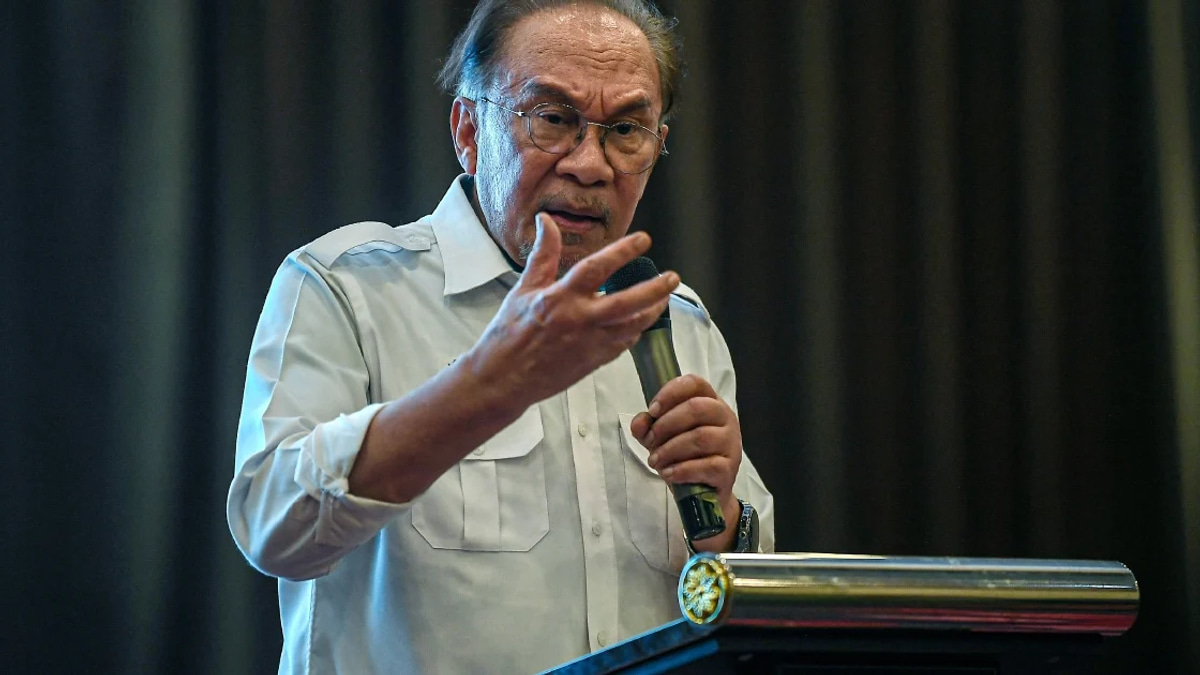
The federal government has become responsible for Felda's nearly RM1 billion in annual debt obligations, stemming from previous administrative shortcomings, according to Prime Minister Anwar Ibrahim.
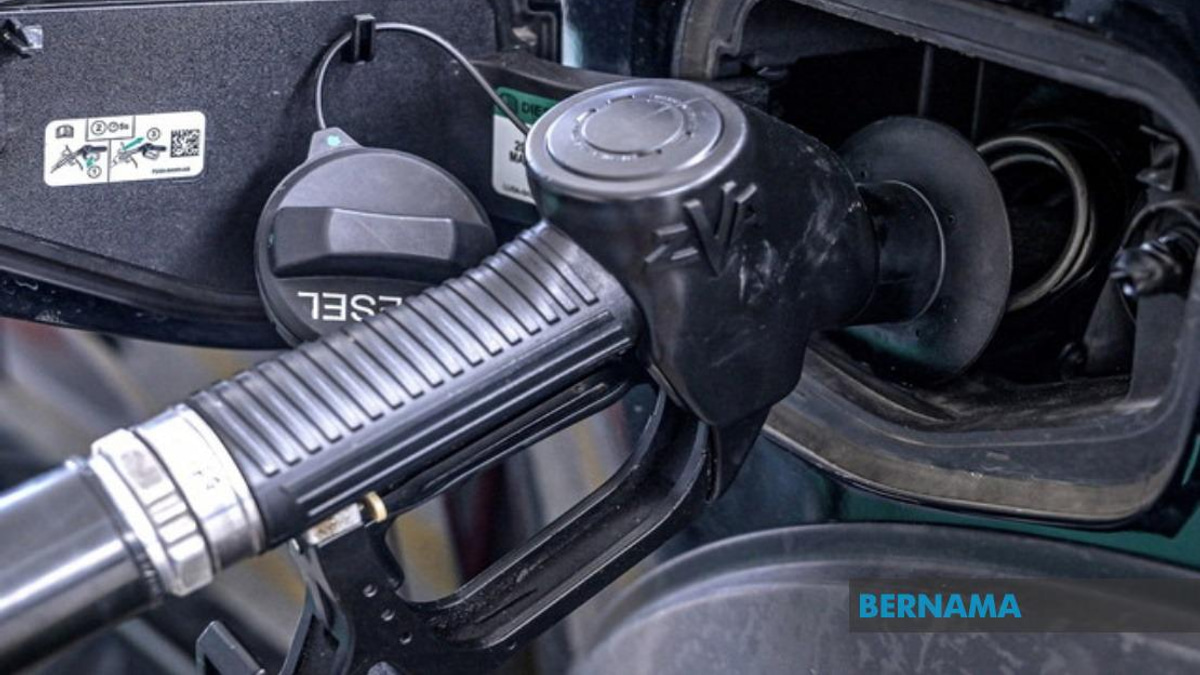
The Malaysian government has opened applications for its Subsidised Diesel Control System covering company-owned jeeps and pickup trucks. Successful applicants will receive diesel subsidies from mid-July, says Domestic Trade Minister Datuk Armizan Mohd Ali.

Prime Minister Anwar Ibrahim has announced an additional RM10 million allocation for taxi drivers, acknowledging their critical role as frontline workers in enhancing Malaysia's reputation among international visitors.
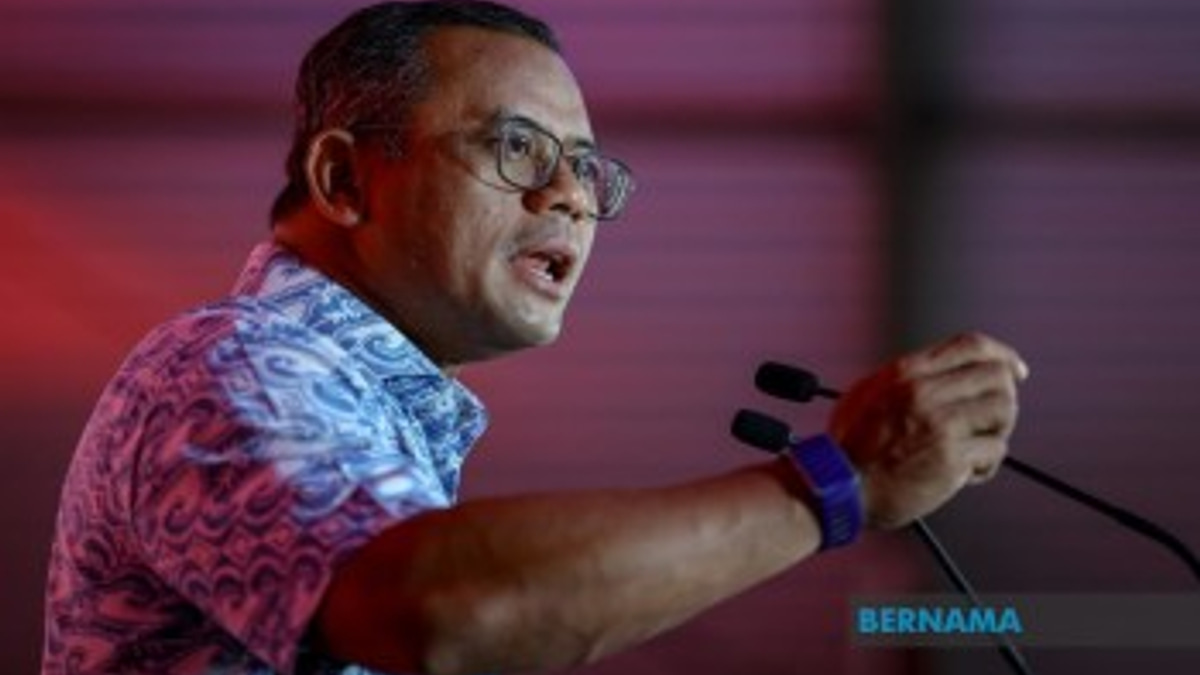
Selangor's economy expanded by RM28 billion to RM460.1 billion in 2025, growing at 6.3% and increasing its share of Malaysia's GDP to 26.5%, establishing the state as the nation's dominant economic driver.
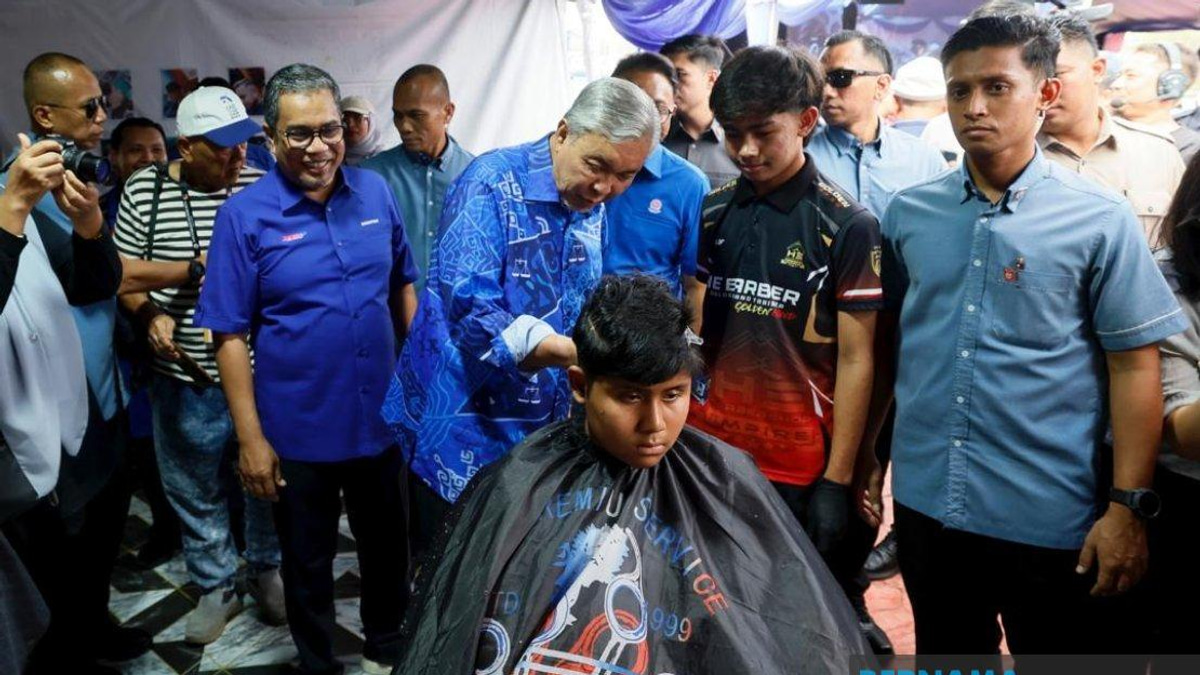
Malaysia's unemployment rate improved to 2.9% last year from 3.2% in 2024, driven largely by expanded vocational training programmes and skills development initiatives championed by the government.
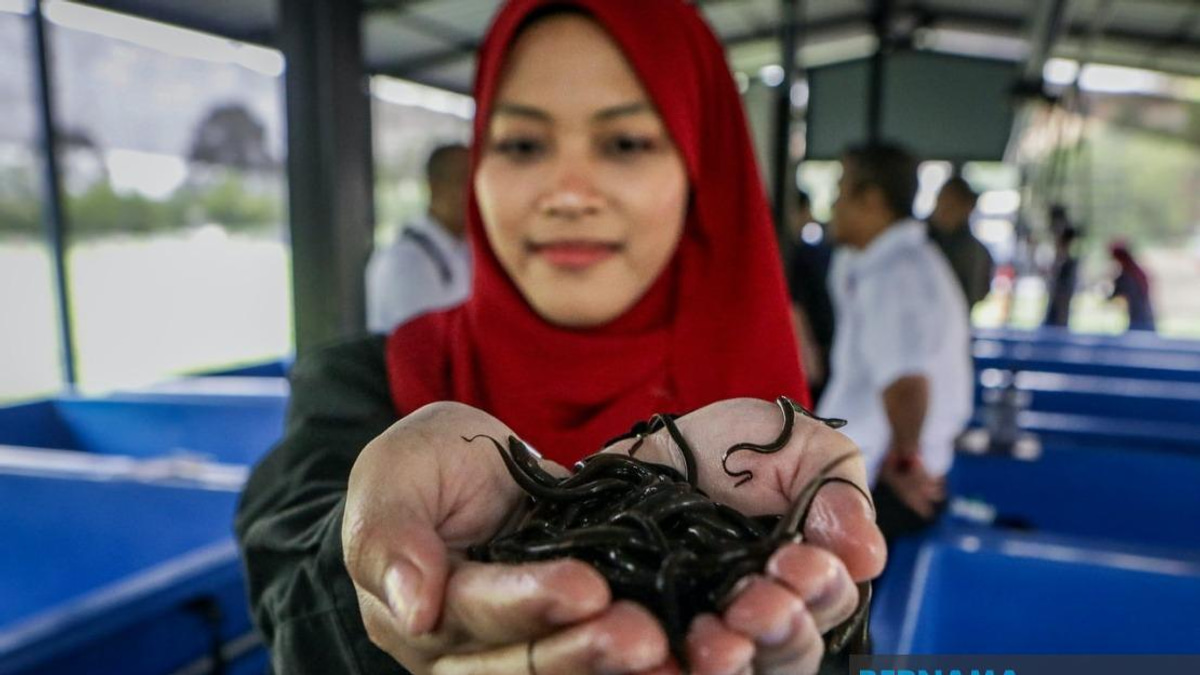
Politeknik Tuanku Syed Sirajuddin has launched a RM500,000 eel farming project in Perlis aimed at empowering five communities through hands-on training and technology transfer, positioning TVET institutions as catalysts for sustainable rural development.
The government has distributed RM64 million in incentives to 4,025 private employers participating in the Progressive Wage Policy, improving wages for 51,363 skilled workers across multiple sectors.
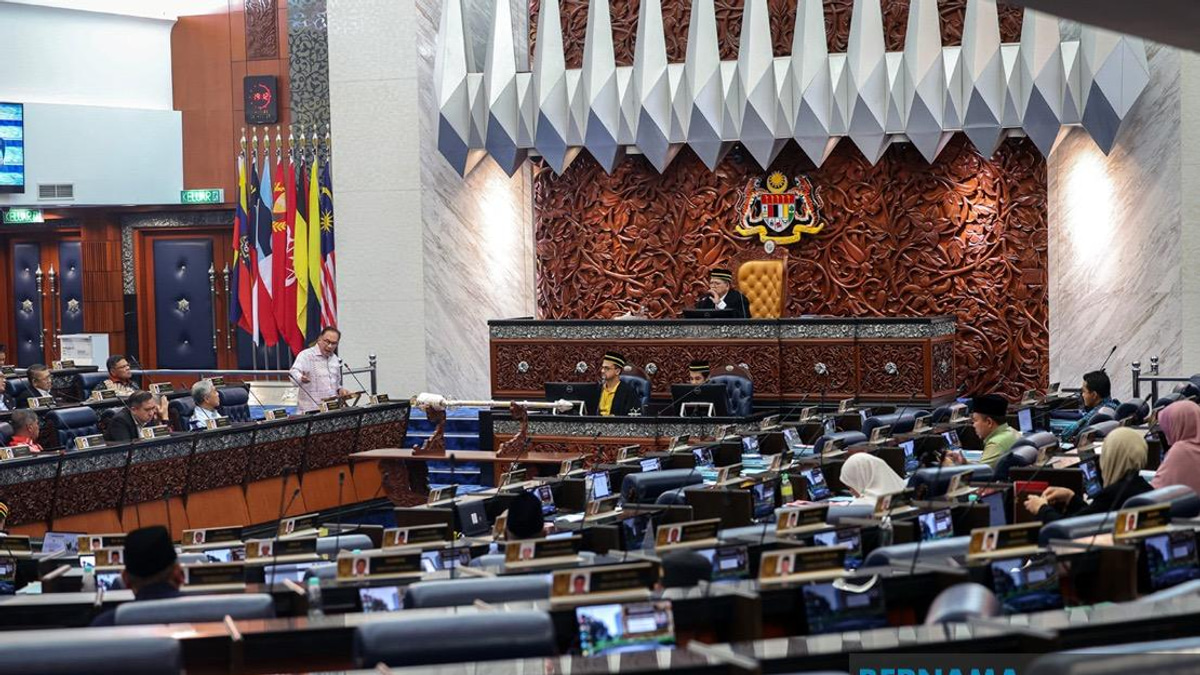
Malaysia's People's Income Initiative has helped 7,787 households escape poverty over three years, with participants earning monthly incomes exceeding RM2,000. The programme complements existing relief efforts.
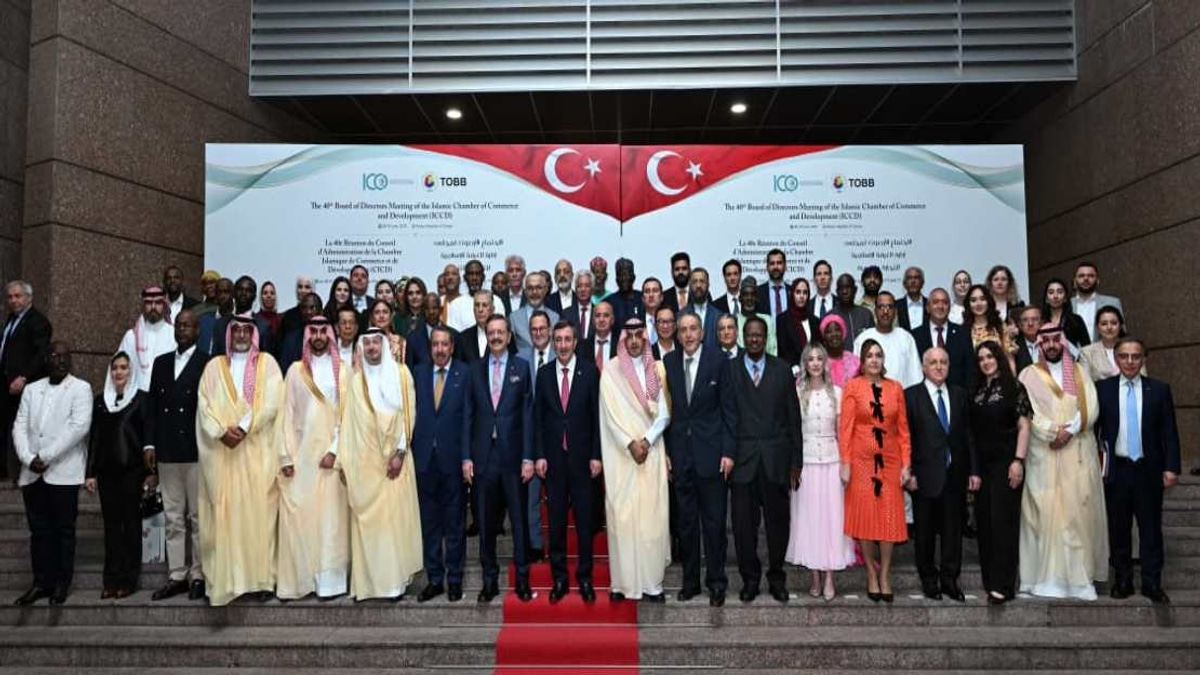
Saudi Arabia's Federation of Chambers has called for enhanced economic cooperation with Muslim-majority nations including Malaysia and Indonesia, emphasizing trade, investment, and youth entrepreneurship opportunities.
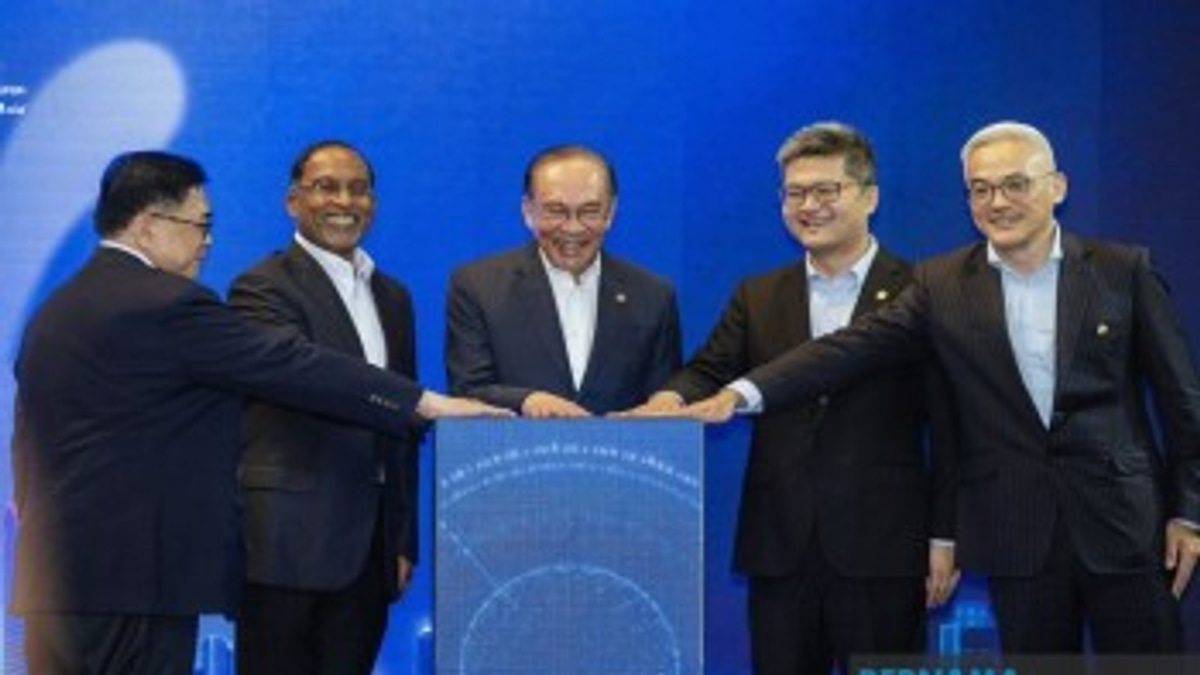
Prime Minister Anwar Ibrahim has lauded Ant International's establishment of its Global Operations Centre in Kuala Lumpur as a catalyst for job creation and local technological advancement, positioning Malaysia as a regional digital and AI hub.
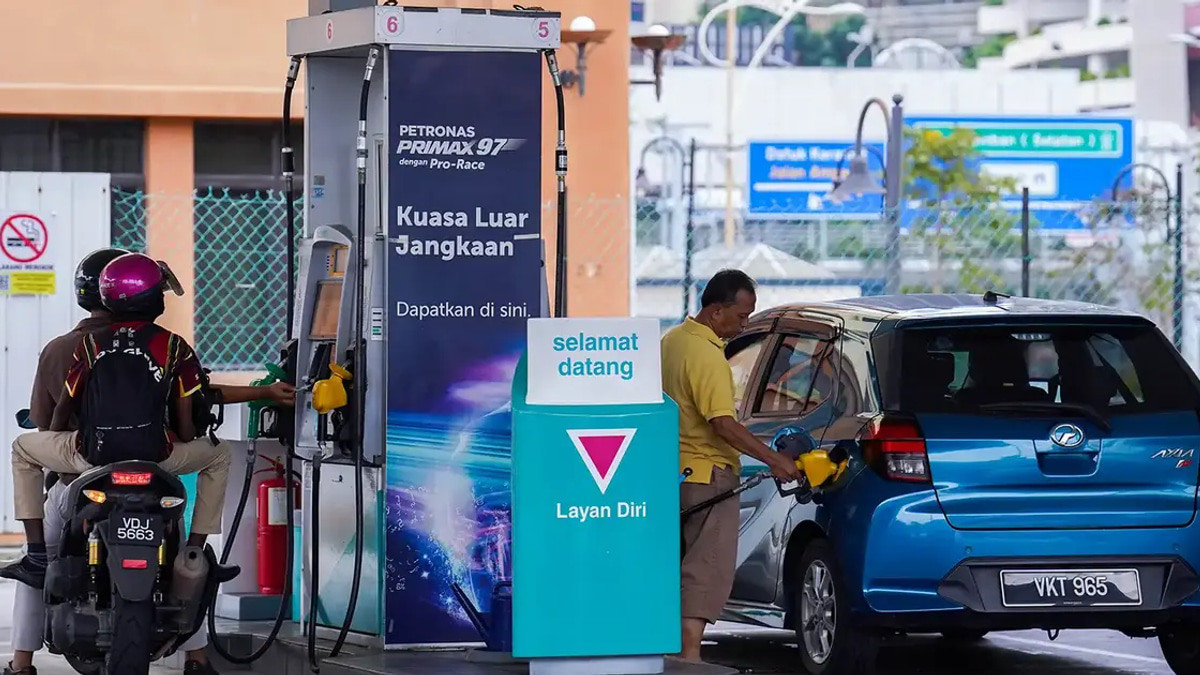
Prime Minister Anwar Ibrahim has cautioned that Malaysia's fuel subsidy expenses are projected to balloon to RM40 billion in 2026, underscoring mounting fiscal pressures even as authorities guarantee adequate petroleum supplies for the nation.
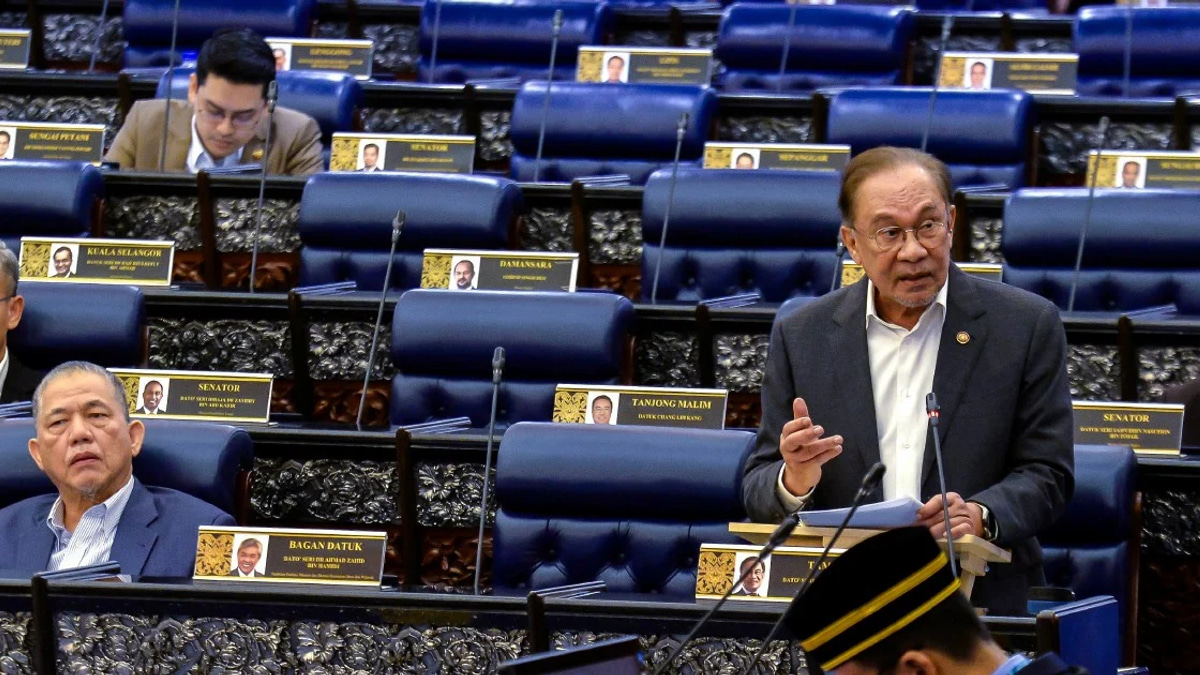
Prime Minister Anwar Ibrahim disclosed that Malaysia's household debt reached RM1.73 trillion by end-March 2026, equivalent to 84.4% of GDP, intensifying scrutiny of household financial burden and economic resilience.
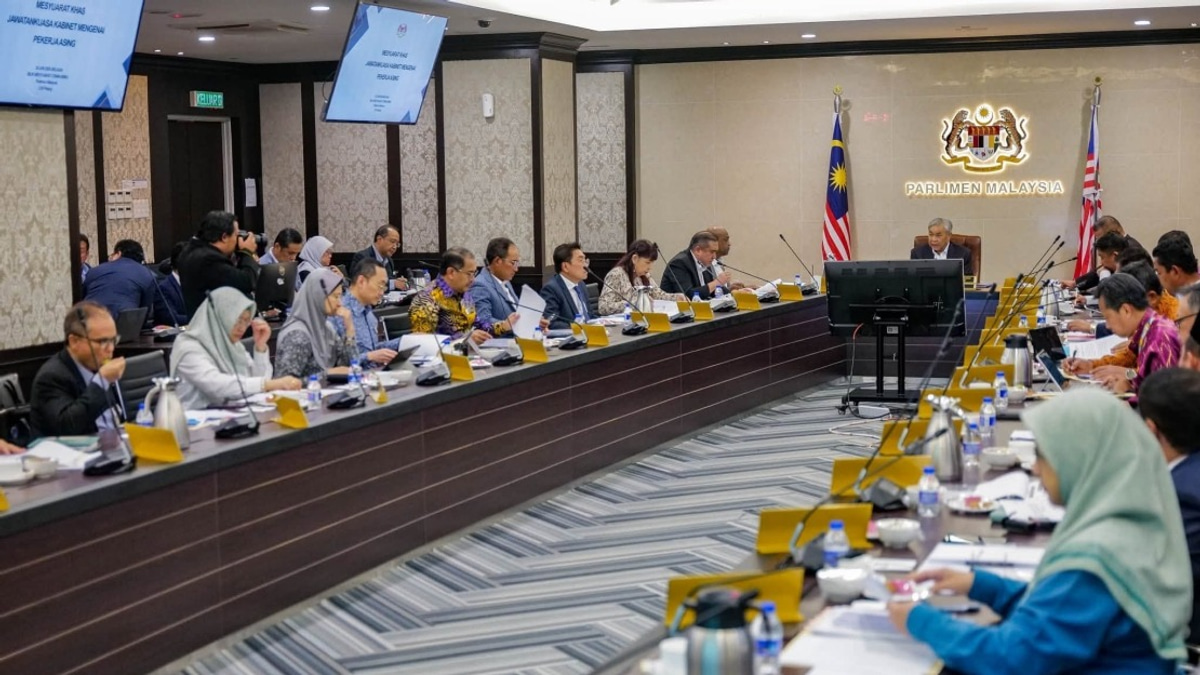
Malaysia's government will restructure its foreign worker management system to improve coordination and efficiency while protecting local employment opportunities, Deputy Prime Minister Ahmad Zahid announced following a Cabinet Committee meeting.
Kedah has attracted RM1.4 billion in approved investments through 50 projects in the first quarter of 2026, with the government prioritizing rural economic spillover through infrastructure upgrades and a new incentive framework encouraging local vendor participation.
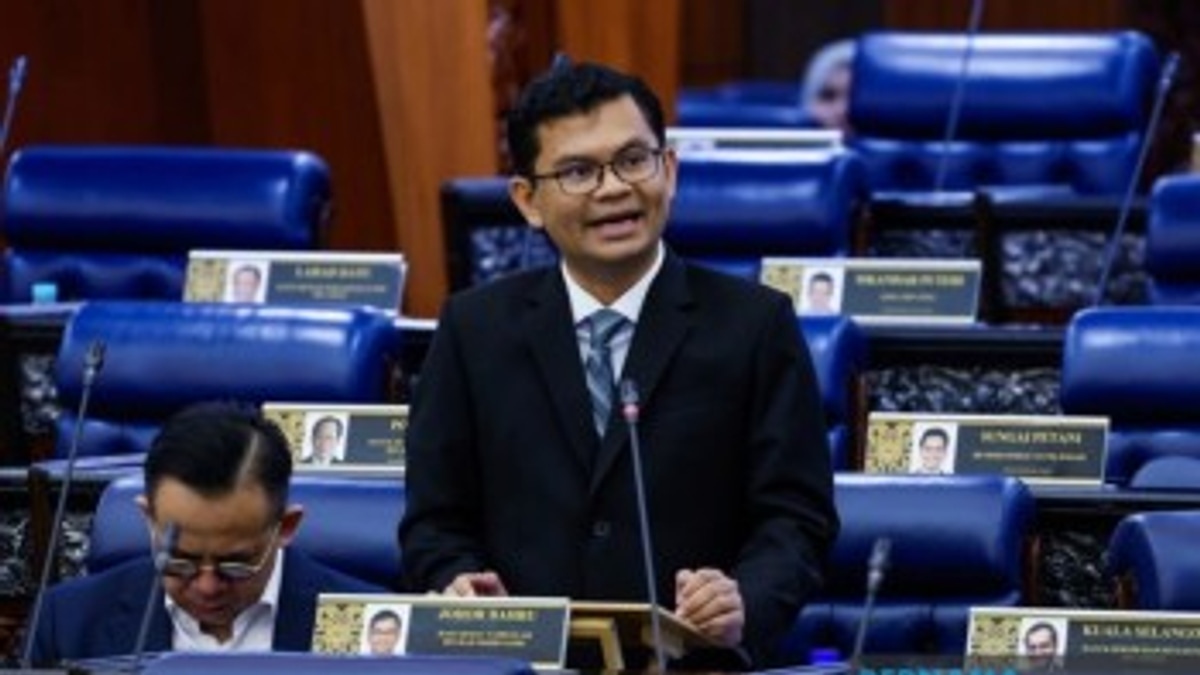
Malaysia is executing 120 decisions through its National Economic Action Council to combat the global supply crisis, with 27 fully implemented and 93 underway, Economy Minister Akmal Nasrullah Mohd Nasir announced in parliament.
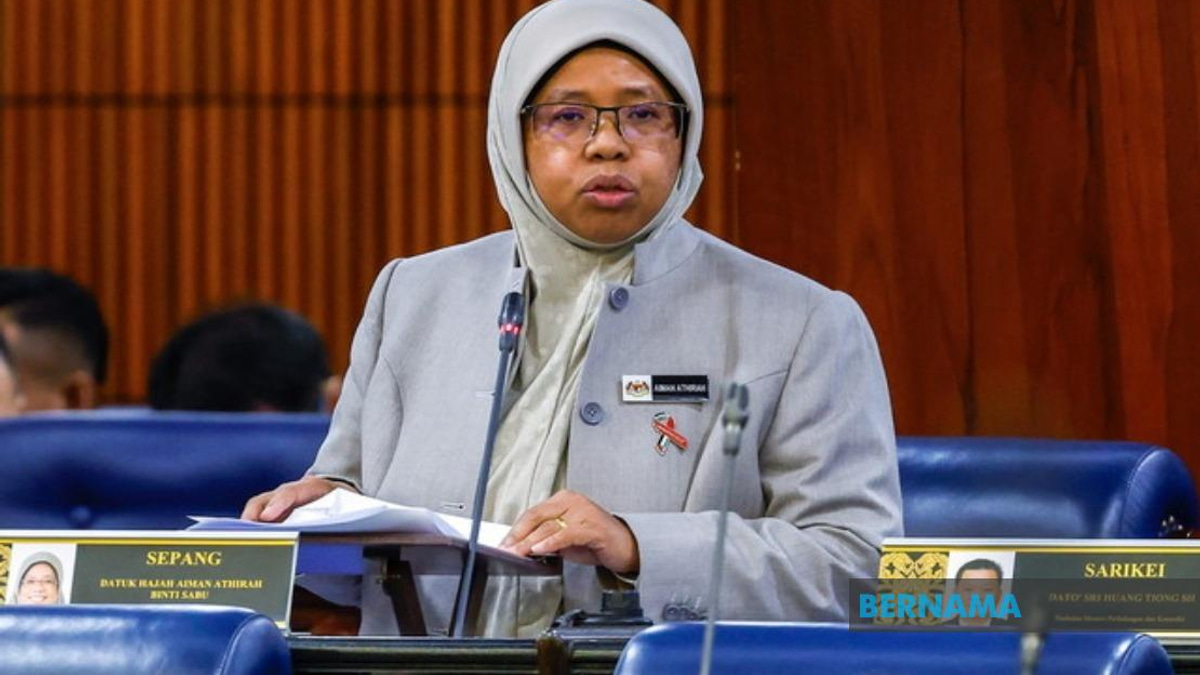
Malaysia's housing sector grapples with 32,800 unsold completed residential units valued at RM16.37 billion as of Q1 2024, with nearly half priced below RM300,000, indicating broad-based market imbalances.
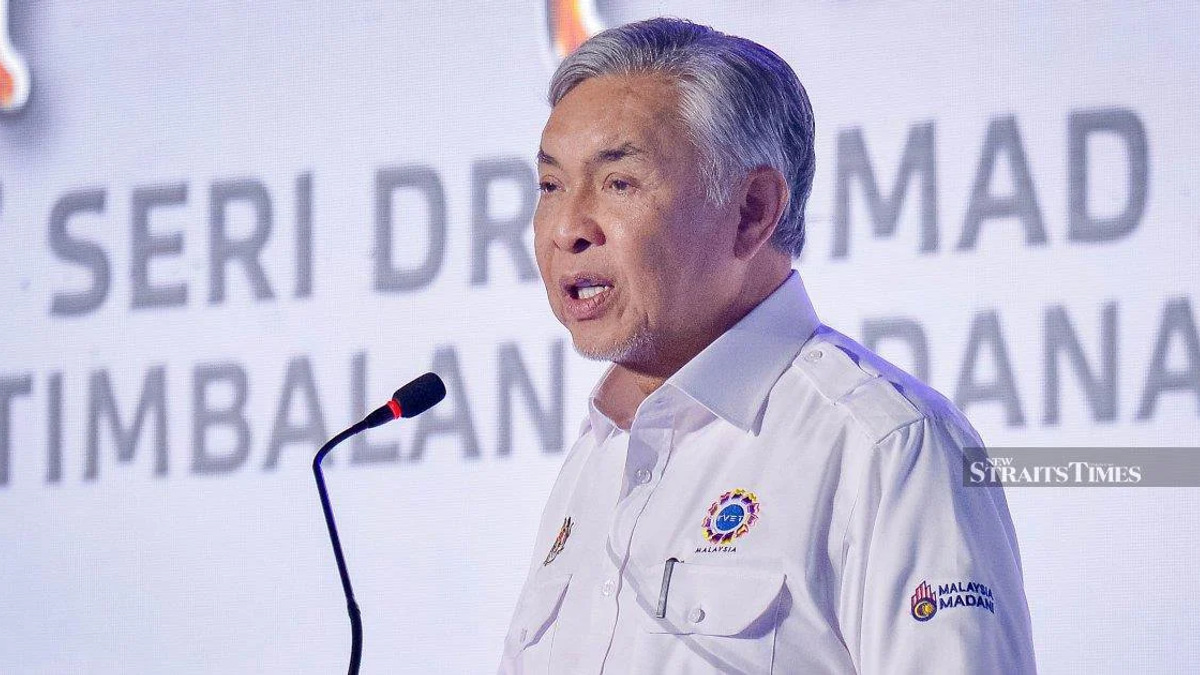
Deputy Prime Minister Ahmad Zahid Hamidi will chair a Cabinet committee meeting next week to address growing foreign worker challenges, particularly impacting Malaysia's food and beverage sector.