Universiti Malaysia Perlis (UniMAP) has emerged as a critical supplier of talent for Malaysia's expanding semiconductor ecosystem, producing close to 2,000 graduates each year who feed directly into the electrical and electronics industry. This output arrives at a pivotal moment for the nation's technological ambitions, as the government pursues an ambitious roadmap to establish Malaysia as a global chip-manufacturing hub.
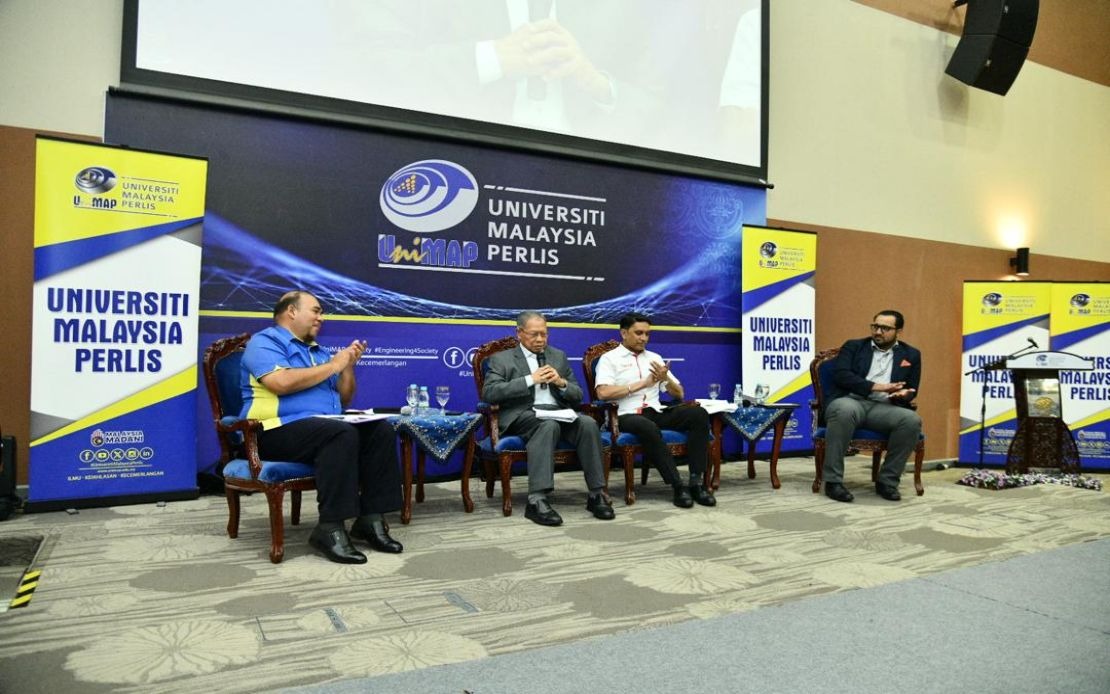
The university's role in meeting sectoral workforce demands was highlighted during a forum at the Arau campus focused on translating semiconductor policy into tangible industrial growth across Northern Malaysia. Vice-Chancellor Datuk Prof Dr Zaliman Sauli outlined UniMAP's strategic alignment with the National Semiconductor Strategy (NSS), a federal initiative targeting the creation of 60,000 skilled workers and engineers by the close of this decade. The timeline underscores the urgency with which policymakers view the need to develop domestic capability in a field that underpins modern computing and digital infrastructure.
Recent employment data from UniMAP paints a picture of strong market absorption for its graduates. Graduate Employability figures spanning 2024 and 2025 reveal that more than 30 per cent of those completing courses at the institution secured their first positions within the E&E sector, suggesting sustained demand from employers. This placement rate signals that industry views UniMAP's curriculum and graduate competencies as aligned with genuine workplace requirements, a validation that extends beyond mere policy rhetoric.
Malaysia's position in the global semiconductor value chain provides context for why this domestic workforce development matters strategically. The country currently ranks as the world's sixth-largest semiconductor exporter, accounting for seven per cent of international chip trade while commanding a notable 13 per cent of the global Assembly, Testing and Packaging (ATP) market. These figures underscore that Malaysia already possesses significant installed capacity and manufacturing expertise; the challenge now centres on deepening the technical skills base to support higher-value activities and indigenous innovation.
The semiconductors themselves have become foundational to every corner of the contemporary digital economy. From consumer devices like smartphones through to emerging fields such as artificial intelligence systems, electric vehicles, and the data centres powering cloud computing, chips are indispensable. This technological pervasiveness means that semiconductor workforce development carries implications far beyond the sector itself, rippling across multiple industries dependent on access to skilled design, fabrication, and testing professionals.
UniMAP's strategy for expanding its contribution involves deepening collaboration between academic institutions, government bodies, and private enterprise. The university is pursuing partnerships that establish industry presence directly on campus, a model that exposes students to real-world problems while allowing companies early visibility of emerging talent. Industry Advisory Panels ensure that course content remains responsive to evolving employer needs, while the recruitment of International Adjunct Professors brings specialized knowledge and global best practices into the classroom. Additionally, the institution delivers professional certification programmes recognized across the industry, equipping graduates with credentials that enhance their immediate employability.
For Malaysia's broader economic strategy, this alignment between education and industry targets carries significant weight. The NSS represents a deliberate positioning against competing nations that also harbour semiconductor ambitions, from Vietnam to India to Indonesia. By ensuring a steady pipeline of qualified workers, Malaysia seeks to retain and attract investment from multinational chip companies while creating space for homegrown firms to develop deeper competencies. UniMAP's contribution thus operates as part of a larger ecosystem-building effort.
The initiatives underway at the university reflect a recognition that semiconductor expertise cannot be imported wholesale. While Malaysia successfully hosts numerous global chip manufacturers, truly competitive advantage emerges when local institutions generate the ideas, innovations, and problem-solving capacity that drive industry forward. Graduate numbers matter, but so too does graduate quality—the capacity to think critically about design challenges, to adapt to rapid technological change, and to eventually mentor the next generation of engineers.
The forum itself, bringing together former International Trade and Industry Minister Datuk Seri Dr Mustapa Mohamed, the Northern Corridor Implementation Authority (NCIA) Chief Executive Datuk Mohamad Haris Kader Sultan, and semiconductor multinational Micron Technology Inc Malaysia's Head of Government and Public Affairs Ahmed Zaki Moten, signalled that semiconductor development has ascended the policy agenda. Northern Malaysia, where UniMAP is located, occupies particular significance in this vision, as the region positions itself as a technology manufacturing and innovation zone complementary to the developed southern corridor.
Looking forward, the critical question concerns whether the supply of graduates will match projected demand under the NSS. Reaching 60,000 skilled workers by 2030 requires not only that universities like UniMAP expand output but also that vocational institutions, polytechnics, and corporate training programmes all contribute meaningfully. The sheer scale of the target suggests that Malaysia will need to mobilize its entire technical education ecosystem, from secondary schools offering electronics streams through to postgraduate research centres developing next-generation chip architectures.
For Malaysia's semiconductor ambitions to succeed in an intensely competitive global market, sustained investment in human capital development will prove as important as physical infrastructure and industrial incentives. Universities like UniMAP occupy the frontline of this effort, translating policy intent into skilled professionals ready to contribute to an industry that will define Malaysia's technological standing for decades to come.

