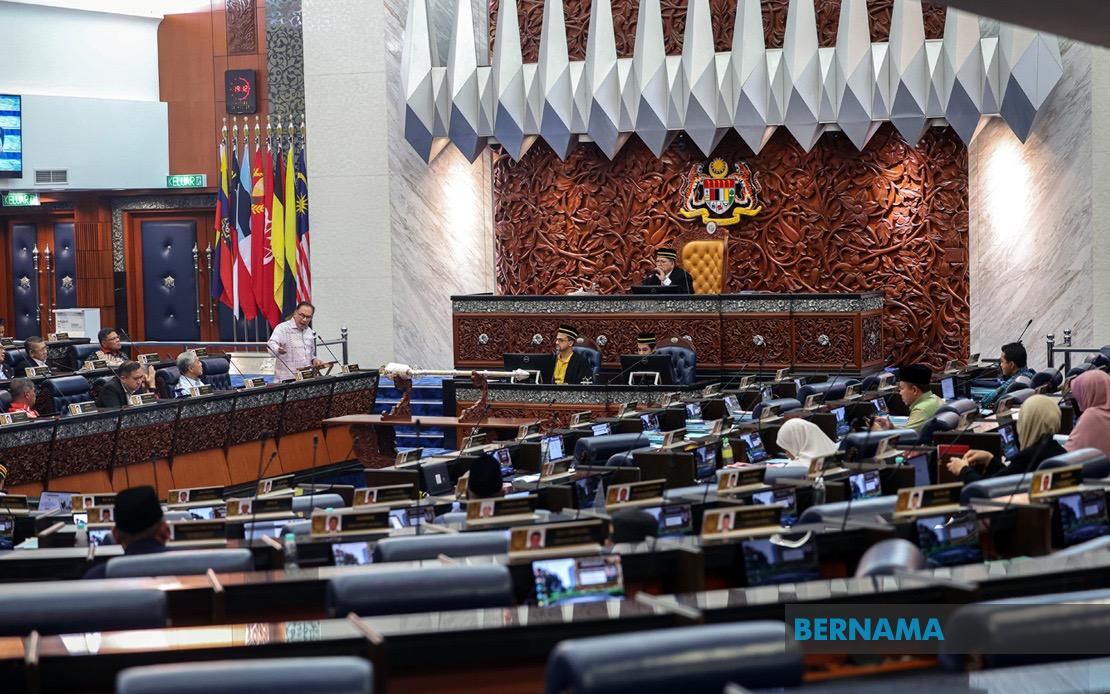
Malaysia's People's Income Initiative, known locally as IPR, has demonstrated tangible results in its fight against poverty, with official figures showing that nearly 7,787 households have benefitted from the scheme since its launch almost three years ago. The Economy Ministry disclosed this achievement in a parliamentary written response, underscoring the programme's role as a complementary measure to the government's broader poverty eradication framework.
The initiative operates on three interlocking pillars designed to address multiple dimensions of economic hardship simultaneously. Beyond simply providing direct financial assistance, the programme targets food security concerns that have intensified across lower-income households, simultaneously working to generate genuine employment opportunities rather than temporary relief. Equally important is its mandate to reduce the financial strain families face in managing day-to-day expenses, recognising that cost-of-living pressures have become a pressing concern for ordinary Malaysians across urban and rural settings.
Particularly encouraging are reports that some beneficiaries have crossed a significant income threshold, generating monthly earnings exceeding RM2,000 through their participation. This figure carries weight beyond mere statistics; it suggests that the scheme succeeds not just in providing temporary handouts but in enabling genuine economic mobility. For families previously trapped in poverty cycles, achieving a consistent monthly income above this level represents genuine progress toward financial self-sufficiency and reduced dependence on government welfare.
The programme's success emerges against a backdrop of rising living costs that have pressured household budgets nationwide. Inflation in essential goods, transport costs, and utilities has forced many families to make difficult trade-offs between necessities. By addressing food security specifically and creating income-generating pathways, IPR attempts to break these cycles at their root rather than merely applying band-aid solutions.
Parallel to the direct beneficiary numbers, the ministry has expanded the infrastructure underpinning Malaysia's social protection system through PADU, the centralised data platform designed to coordinate welfare delivery across government agencies. Currently, 204 government entities participate in continuous data sharing and integration with PADU, representing a significant expansion of digital coordination capacity within the public sector.
This data infrastructure matters considerably for policy effectiveness. As of June 2026, authorities had approved 27 distinct data-sharing applications enabling different agencies to collaborate on programme implementation and policy refinement. The objective extends beyond administrative convenience; better data integration allows the government to target assistance more precisely, reduce duplication, eliminate gaps in coverage, and ultimately ensure that resources reach intended beneficiaries efficiently.
The PADU system reflects recognition that fragmented welfare delivery undermines impact. When multiple agencies operate independently without sharing information, eligible families may fall through cracks or receive duplicated services while others miss out entirely. Integrated data systems enable governments to build comprehensive pictures of household circumstances, allowing for more sophisticated targeting and better coordination of different programmes.
For Malaysian policymakers, the IPR's near-term results offer validation that sustained, multi-pronged approaches to poverty can generate measurable outcomes. The fact that nearly 8,000 households have participated suggests growing awareness and uptake, though the absolute numbers also indicate that significant population segments requiring assistance remain outside the programme's current reach. This gap presents both a challenge and an opportunity for expansion.
The employment generation component deserves particular scrutiny, as job creation through targeted initiatives offers more durable solutions than unconditional cash transfers alone. By equipping participants with pathways to genuine income-earning opportunities, IPR addresses a fundamental preference among most vulnerable households: the ability to earn rather than receive charity. This psychological and practical dimension of economic dignity often goes unmeasured in programme evaluations but carries profound significance for social cohesion.
Regionally, Malaysia's approach demonstrates how Southeast Asian governments might combine direct assistance with data-driven targeting systems to maximise poverty reduction impact. As countries across ASEAN grapple with rising inequality and cost-of-living crises, the IPR model—blending immediate relief with employment creation—offers a potentially replicable template adjusted to local contexts.
Looking forward, the scale of the challenge remains substantial. While 7,787 households represent real people escaping poverty's grip, Malaysia's total population living below official poverty lines vastly exceeds current programme reach. Expanding IPR's scope while maintaining programme quality and ensuring genuine income opportunities remain available will require sustained political commitment and budgetary allocation. The preliminary three-year results suggest such investment yields returns, but only if the government commits to scaling beyond current levels and continuously refining targeting mechanisms through improved data systems like PADU.

