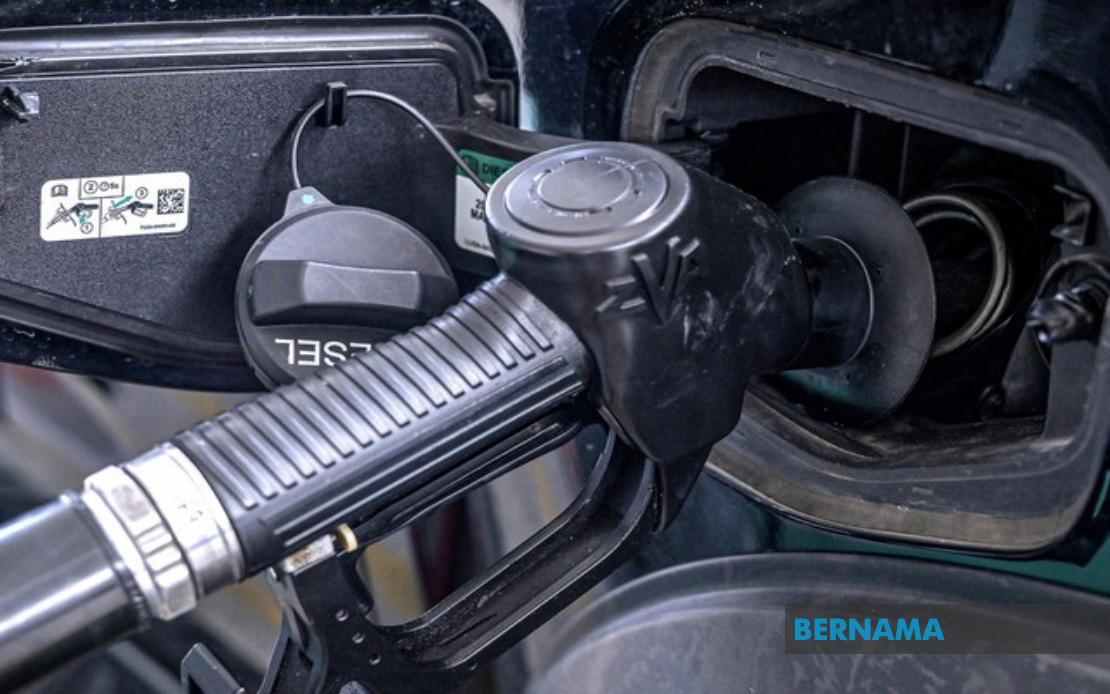
The Subsidised Diesel Control System (SKDS) has begun accepting applications for small and micro businesses operating private commercial vehicles including jeeps and pickup trucks, Domestic Trade and Cost of Living Minister Datuk Armizan Mohd Ali announced on Wednesday. The initiative represents a further expansion of Malaysia's diesel subsidy programme, which previously covered public transport operators and goods transport companies. Businesses that secure approval will gain access to subsidised fuel rates beginning July 15, provided they receive a fleet card to identify them within the system.
To participate in the SKDS programme, business owners face specific regulatory requirements designed to ensure subsidies reach their intended beneficiaries. Their vehicles must be formally registered as commercial business units through the Road Transport Department's MySikap digital platform, using the Company Private Use classification code designated as AE. This registration mechanism allows authorities to distinguish legitimate commercial operators from private vehicle owners attempting to access fuel subsidies intended for business use only.
Beyond vehicle registration, applicants must demonstrate formal business status recognised by Malaysian authorities. Sole proprietorships and partnerships qualify if registered with the Companies Commission of Malaysia (SSM), while enterprises operating in Sabah and Sarawak may alternatively register with their respective state authorities. This dual-pathway approach accommodates Malaysia's federal structure while maintaining oversight of subsidy distribution across all regions.
The subsidy scheme targets Malaysia's growing sector of small and medium enterprises that rely on light commercial vehicles for operations. Jeeps and pickup trucks form the backbone of countless micro-businesses involved in logistics, maintenance, agricultural support, and service provision across rural and urban areas. By extending fuel support to these operators, the government aims to reduce their operational costs during a period when energy prices remain volatile globally and domestically.
Applications are being processed through the MySubsidi digital portal, streamlining the administrative burden for business owners. The online system represents part of a broader Malaysian government shift toward digital governance, reducing paperwork while creating auditable records of subsidy allocation. Business owners are being encouraged to submit applications promptly, suggesting the government may implement intake caps or process applications in waves based on submission dates.
The SKDS expansion follows the government's previous decisions to include public transport operators and commercial goods transport businesses within the subsidy framework. These phased extensions indicate a strategic approach to subsidy distribution, prioritising sectors with the greatest economic impact while managing fiscal expenditure. Public transport operators benefit from reduced fares, benefiting consumers, while goods transport companies gain competitive advantages in logistics markets.
For Malaysian businesses, participation in SKDS could meaningfully improve cash flow and competitiveness. Fuel typically represents a substantial operating expense for transport-dependent enterprises, sometimes accounting for ten percent or more of total costs. Subsidised diesel rates effectively transfer government resources to productive sectors, enabling small business owners to invest savings into expansion, employee wages, or service improvements.
However, the subsidy scheme raises broader economic considerations that extend beyond immediate business relief. Fuel subsidies create fiscal pressures on government budgets and can distort market pricing mechanisms, potentially delaying necessary energy transitions or efficiency investments. Malaysia's subsidy commitments require careful monitoring to ensure they support genuine economic development rather than creating dependency on government support or encouraging inefficient consumption patterns.
The programme's success will depend significantly on effective implementation and fraud prevention. The fleet card system and MySikap registration create verification mechanisms, but enforcement requires adequate resources and monitoring. Authorities must balance accessibility for legitimate businesses with vigilance against attempts to misuse subsidy provisions, a challenge that has confronted Malaysian fuel subsidy programmes historically.
For regional observers, Malaysia's expanded SKDS demonstrates continued government willingness to deploy fiscal measures supporting business sectors during challenging economic conditions. Other Southeast Asian nations facing similar business pressures are watching how Malaysia calibrates subsidy programmes, balancing cost control with enterprise support. The approach offers lessons regarding programme design, targeting mechanisms, and digital implementation systems that regional policymakers may adapt.
Small business associations and transport sector representatives have generally welcomed subsidy expansions, though economists debate longer-term effects on competitiveness and fiscal sustainability. The July 15 implementation date provides a clear timeline for businesses to organise applications and complete registration requirements. Industry observers expect significant participation given the tangible financial benefits, though ultimate uptake will depend on application complexity, documentation requirements, and awareness among eligible business owners across Malaysia's diverse economic landscape.

