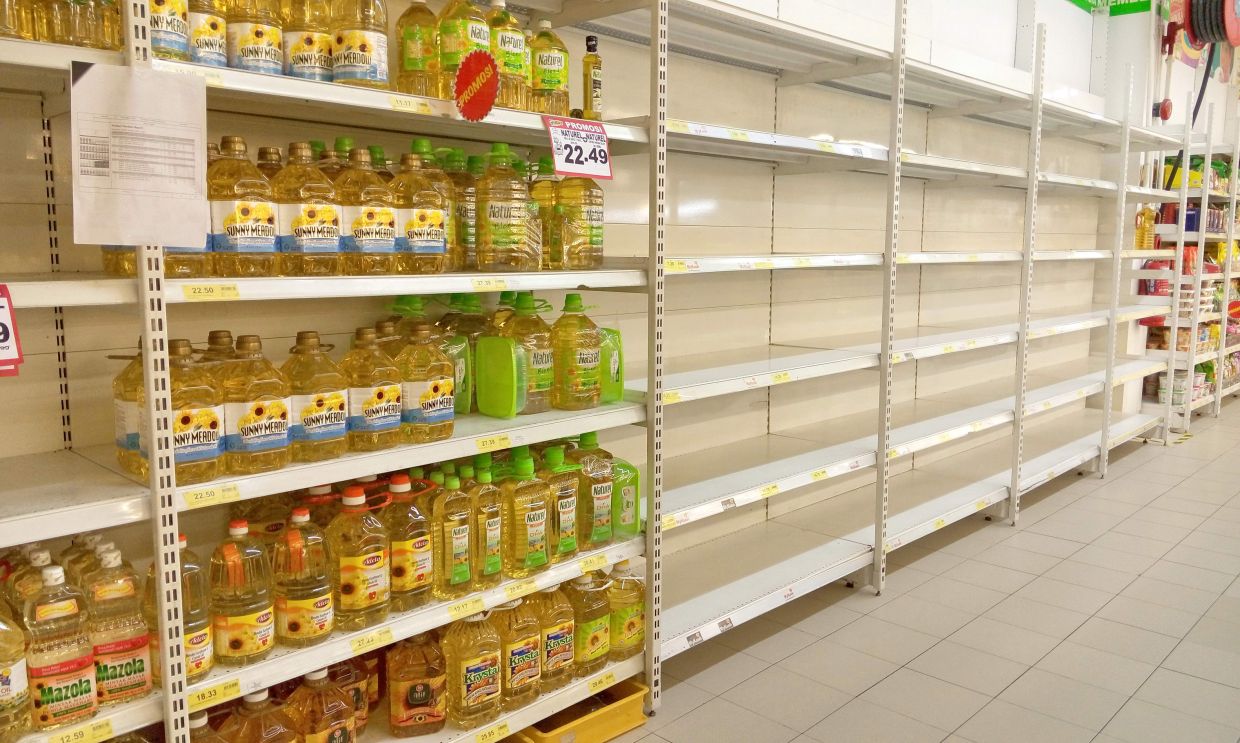
Malaysia's Public Accounts Committee has disclosed a staggering RM10.879 billion in government cooking oil subsidies that failed to reach intended recipients between 2019 and February 2025, exposing profound systemic failures in subsidy administration, market oversight and compliance enforcement. The revelation cuts to the heart of ongoing debates about whether Malaysia's shift towards targeted rather than universal subsidies has genuinely improved efficiency or merely created new vulnerabilities to leakage and diversion.
For more than a decade, policymakers have championed subsidy rationalisation as a pathway to fiscal sustainability and better-directed welfare assistance. The underlying logic appears sound: by concentrating support on those most in need rather than subsidising consumption across all income levels, governments can theoretically deliver aid more efficiently while reducing the fiscal burden. Yet the PAC's findings suggest that Malaysia's subsidised cooking oil scheme—a staple programme meant to keep basic food costs manageable for ordinary households—has become a cautionary case study in the implementation gap between policy design and ground reality.
The missing RM10.879 billion represents far more than a statistical anomaly or accounting error. It reflects cooking oil that disappeared from official channels, ending up in black markets, cross-border smuggling operations, or private hoarding ventures instead of on the shelves of neighbourhood shops where families purchase their weekly groceries. The economic impact extends beyond the direct subsidy cost; when official supplies vanish, retail shelves run empty and consumers are forced into unregulated markets where prices spike and product quality becomes uncertain. This undermines the entire purpose of the subsidy and ironically harms the vulnerable populations the programme was designed to protect.
The timing of these revelations is particularly significant for Southeast Asia's largest economy. Malaysia has spent considerable political capital promoting subsidy reforms to international creditors, development agencies and ratings institutions. Transparency and efficient resource allocation form part of the justification for maintaining investor confidence and accessing favourable borrowing terms. A loss of this magnitude raises questions about whether the government's broader claims regarding improved fiscal discipline and public financial management can be taken at face value, with potential implications for economic policy credibility across multiple sectors.
Determining accountability for such extensive leakage requires understanding the structural vulnerabilities in the current system. Subsidised commodities create inherent distortions that attract arbitrage—the opportunity to buy at the subsidised price and sell at market rates generates profit incentives for diversion. Without robust supply-chain monitoring, physical inventory controls and coordinated enforcement across federal and state authorities, the subsidy becomes vulnerable to systematic exploitation by middlemen, retailers with connections to smuggling networks, and even ostensibly legitimate traders who shift supplies across borders to Thailand or other neighbours where unsubsidised prices prevail. The PAC's findings suggest these vulnerabilities were neither adequately anticipated nor effectively contained.
The enforcement challenge extends beyond border controls. Within Malaysia itself, the government relies on domestic retailers and wholesalers to comply with price caps and allocation guidelines. Yet monitoring the behaviour of thousands of retail points across a diverse geographic landscape—from urban supermarkets to rural sundry shops—demands resources, technology and coordination that may not have been available or prioritised. When enforcement capacity is thin, the risk calculations for would-be diverters shift in their favour. The cost of detection, prosecution and sanctions would need to outweigh potential profits; if the enforcement apparatus is visibly weak, compliance falters.
Ministry accountability structures must come into focus as well. Multiple agencies typically share responsibility for commodity subsidies: the Ministry of Domestic Trade and Consumer Affairs sets pricing policy and monitors retail compliance, while other bodies handle procurement, storage and distribution. When money disappears at this scale, these silos and divisions of responsibility can become convenient places for accountability to dissolve. Officials can point fingers at partner agencies, blaming insufficient cooperation or incomplete data sharing. The PAC's investigation should clarify where precisely authority ended and gaps emerged—was it procurement transparency, warehouse security, retail auditing, or the absence of unified tracking systems that allowed the leakage to occur?
The Malaysia experience also raises instructive lessons for other Southeast Asian nations pursuing similar subsidy rationalisation programmes. Indonesia, Thailand and the Philippines have experimented with targeted fuel and food subsidies in recent years, and Malaysia's struggles suggest that merely shifting from universal to targeted programmes does not automatically solve the governance problems inherent in price control schemes. Technology solutions such as digital identity systems for subsidy recipients or blockchain-based supply tracking might help, but they require investment and political will. More fundamentally, successful targeted subsidies appear to demand honest acknowledgment of enforcement costs and realistic budgeting for effective market monitoring.
Looking ahead, the PAC's findings demand more than departmental reorganisations or rhetorical commitments to better oversight. The government must explain how such enormous sums could disappear without triggering earlier alarm bells. Were internal audit systems not in place? Did quarterly or annual reviews not compare subsidy disbursements against market supply indicators? Or were warning signs present but ignored due to political pressures to maintain the subsidy programme despite its evident dysfunction? These questions matter not only for cooking oil but for public confidence in how all subsidised programmes are managed.
Rectifying this situation will require sustained attention beyond the immediate PAC report. A comprehensive forensic review identifying which intermediaries, retailers and officials benefited from the leakage may be necessary. International experience suggests that countries serious about improving subsidy management often implement third-party audits and market observers specifically tasked with comparing official subsidy flows against retail availability. The cost of such monitoring is far lower than RM10.879 billion in losses. Malaysia now faces a choice: invest in genuine enforcement infrastructure, or accept that subsidies will continue serving as vehicles for hidden redistribution away from their intended beneficiaries.

