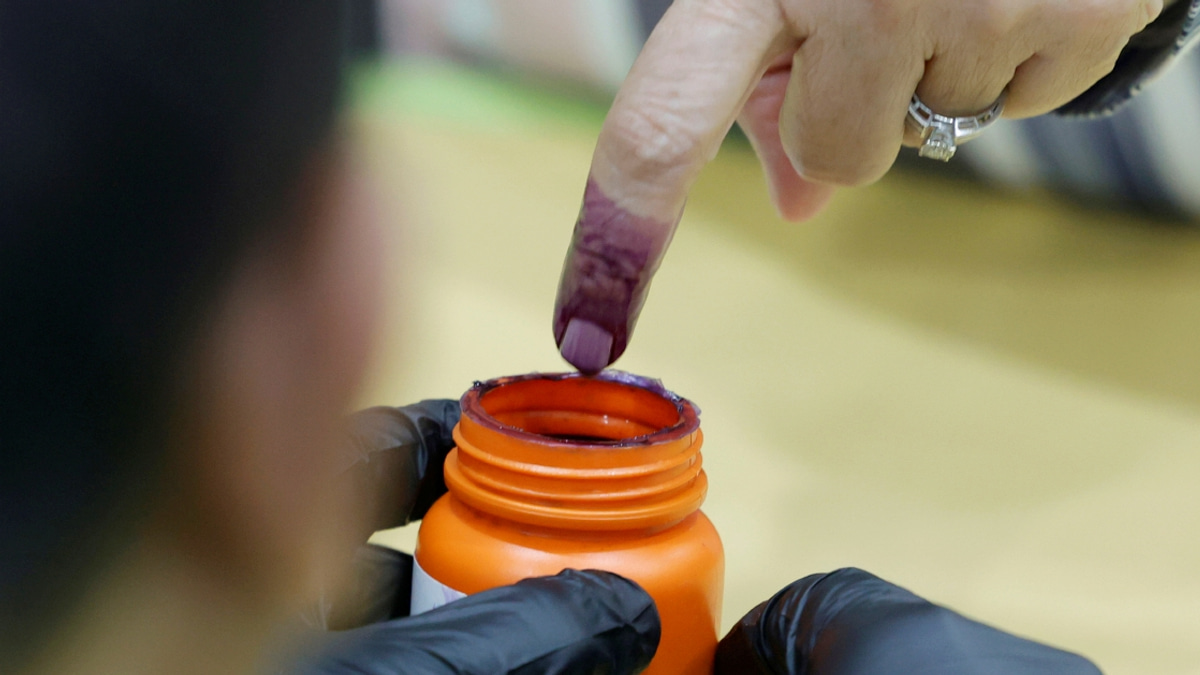
DAP Commits to Rebuilding Following Negri Sembilan Electoral Setback
The DAP has acknowledged voter sentiment following the Negri Sembilan election, pledging a dedicated effort to rebuild support and demonstrate renewed commitment to constituencies.
The stories shaping Malaysia, in focus.
The DAP has acknowledged voter sentiment following the Negri Sembilan election, pledging a dedicated effort to rebuild support and demonstrate renewed commitment to constituencies.
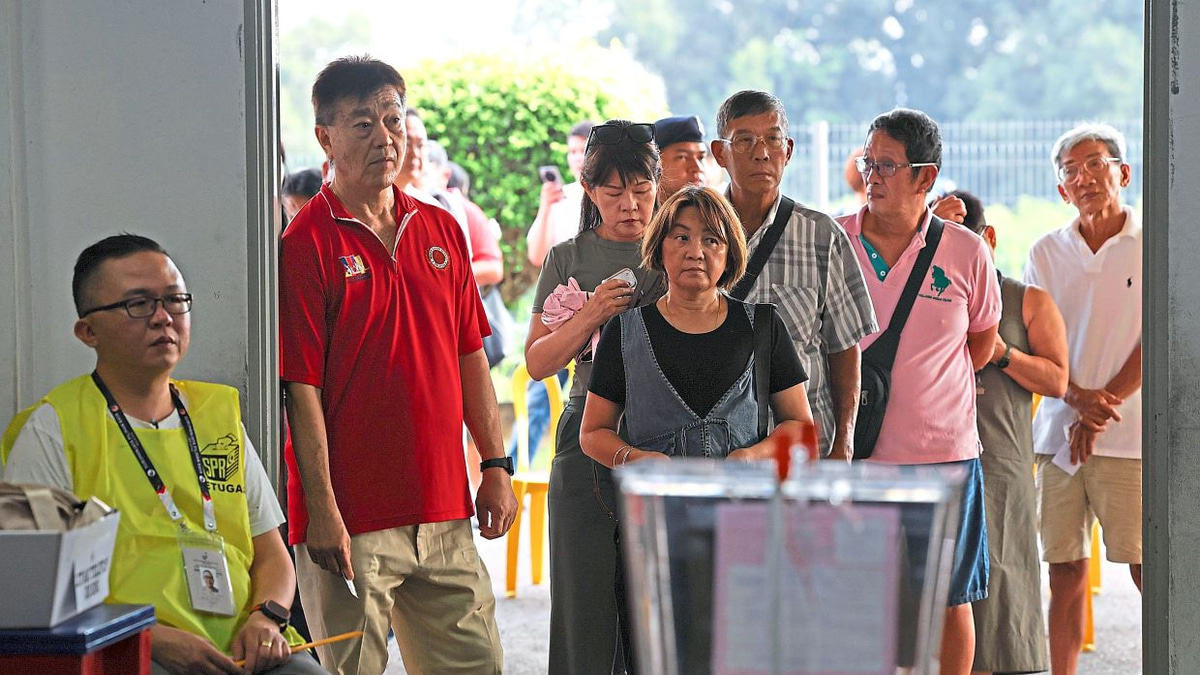
Malaysian politics increasingly features 'frenemies'—parties that partner in government while competing fiercely in elections. The unity government, Umno-PAS ties, and Bersatu's precarious position exemplify this volatile new landscape.
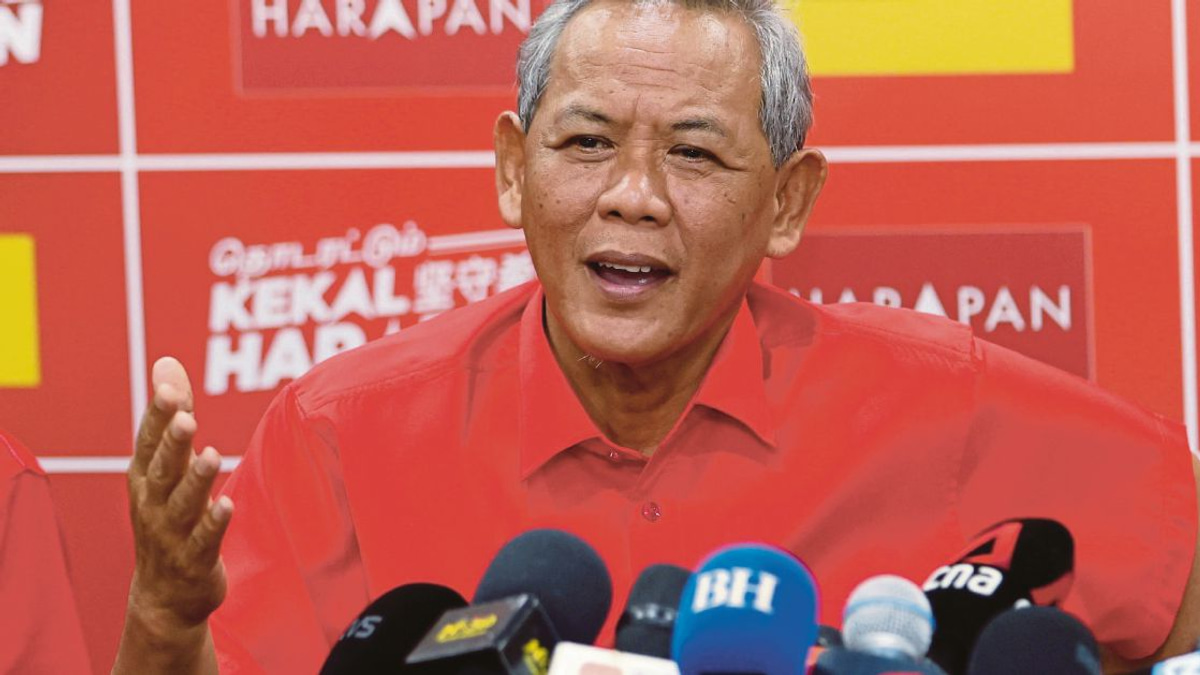
Negeri Sembilan's caretaker menteri besar Datuk Seri Aminuddin Harun has expressed no regrets over Pakatan Harapan's state election loss, defending his campaign to encourage voters to evaluate leaders based on competence rather than race.

Pahang DAP chief Lee Chin Chen has questioned Perikatan Nasional election director Sanusi's invocation of his Chinese ancestry as a defence against racism allegations, suggesting the move amounts to tokenism.
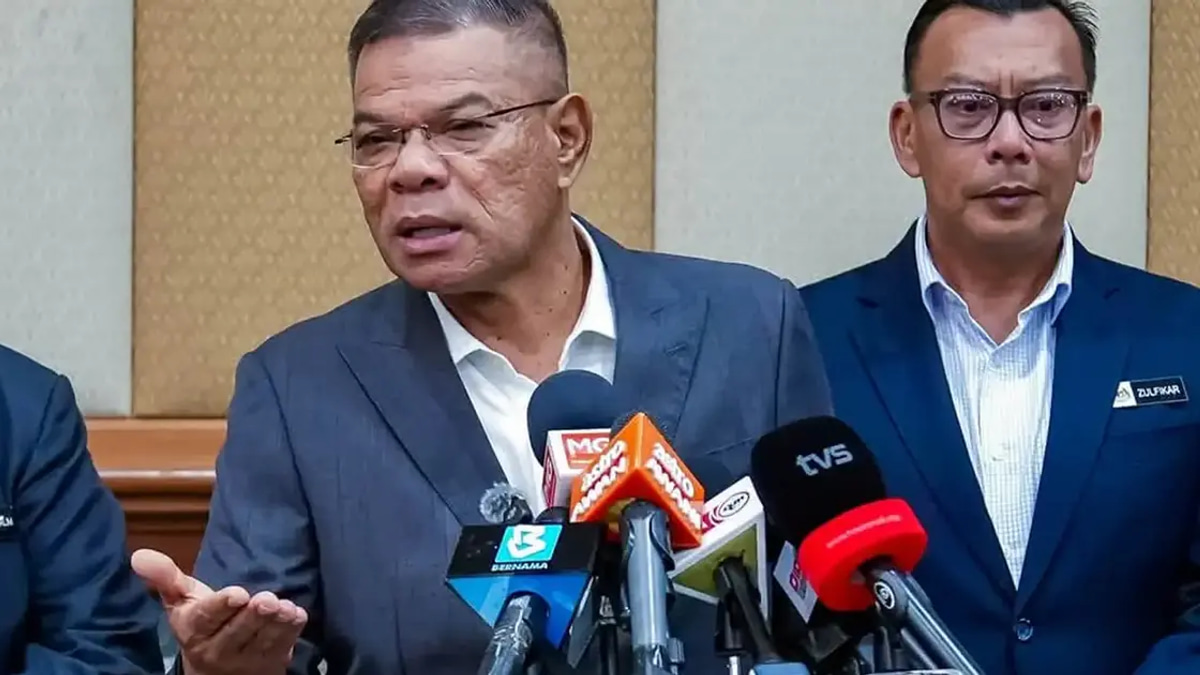
Pakatan Harapan's secretary-general has cautioned the coalition against engaging in identity politics with rivals Umno and Bersatu over Malay interests or competing with PAS on Islamic credentials, arguing such contests benefit no one.
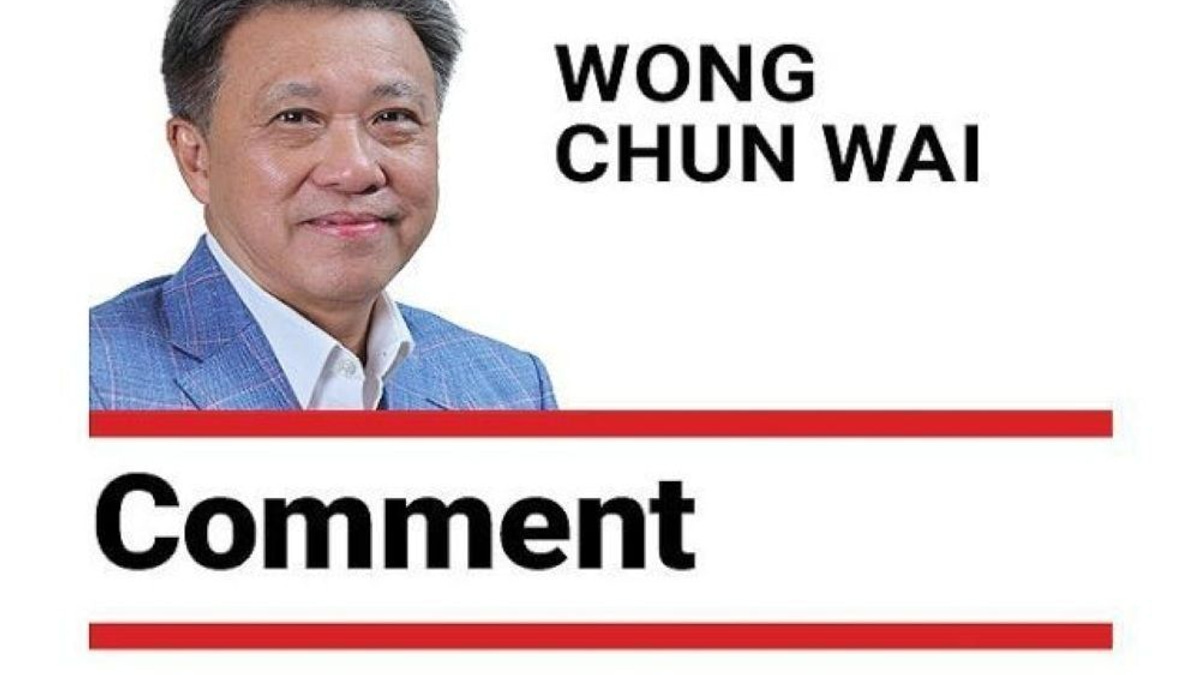
PAS's uncompromising Islamist ideology and inflammatory statements on race and religion continue to alienate non-Muslim voters, creating a fundamental tension between the party's electoral aspirations and its core messaging.
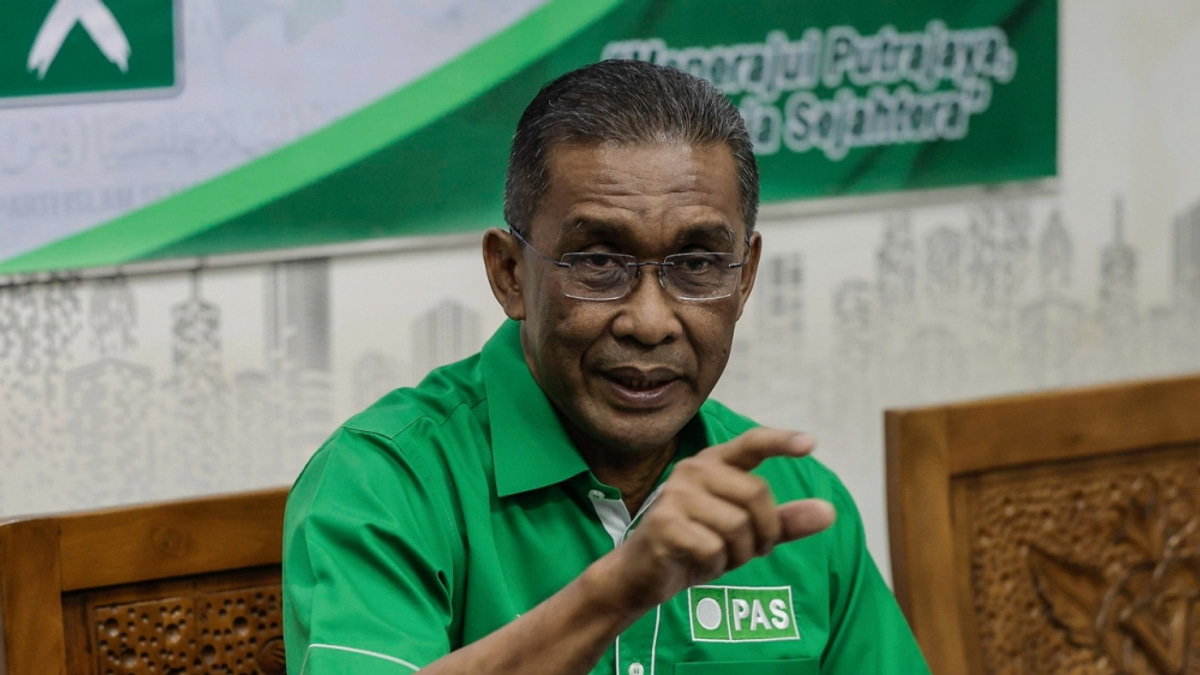
PAS has formally instructed its members to campaign for Barisan Nasional candidates in Negeri Sembilan, replicating a cooperation strategy that proved successful in recent Johor elections.
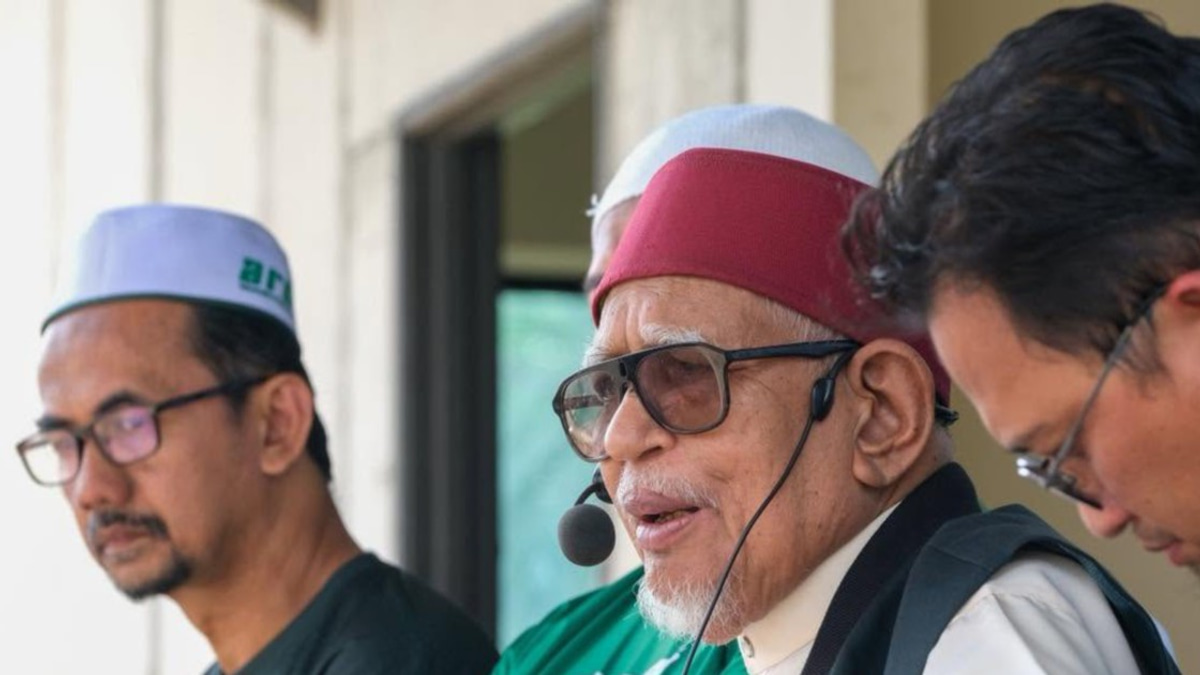
PAS president Tan Sri Abdul Hadi Awang has advocated for a political coalition uniting Malay-Muslim parties with what he terms 'non-extreme' Chinese and Indian partners, including MCA and MIC, framing the arrangement as essential to national stability.
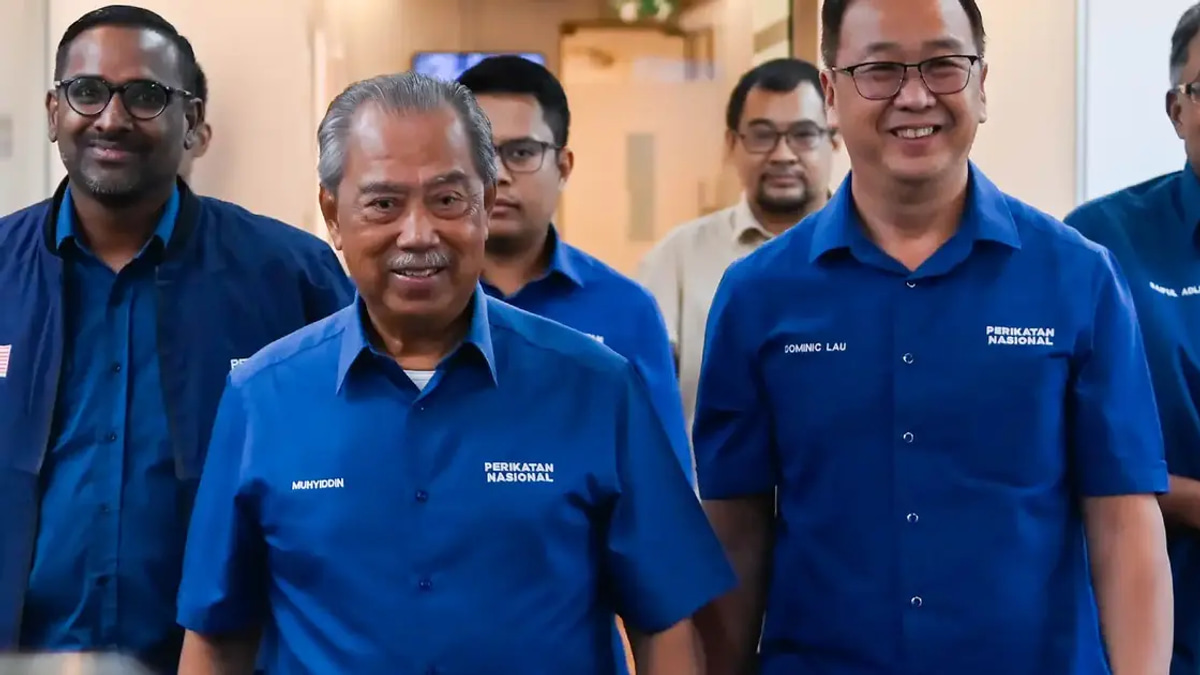
A political analyst from IIUM has advised Bersatu to withdraw from Perikatan Nasional, recommending it coordinate the departure with Gerakan and MIPP to significantly weaken the PAS-led coalition's multiethnic appeal.
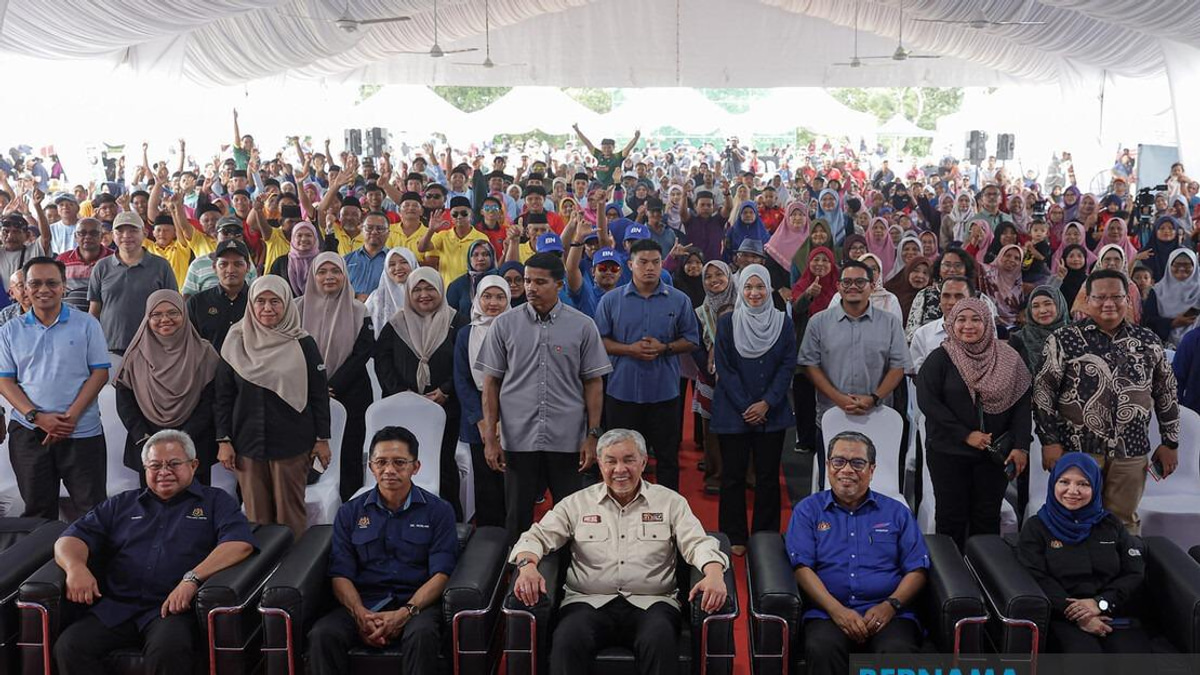
Barisan Nasional and Perikatan Nasional have reached an electoral understanding for Negeri Sembilan's state election, marking a pragmatic response to Malaysia's shifting political landscape. The arrangement aims to prevent vote-splitting and could reshape strategies for future elections.

Former Damansara MP Pua Khiam Wah has cautioned voters against splitting their ballots in the upcoming general election, arguing that backing smaller parties or abstaining risks allowing Barisan Nasional leader Zahid Hamidi to secure the prime ministership.
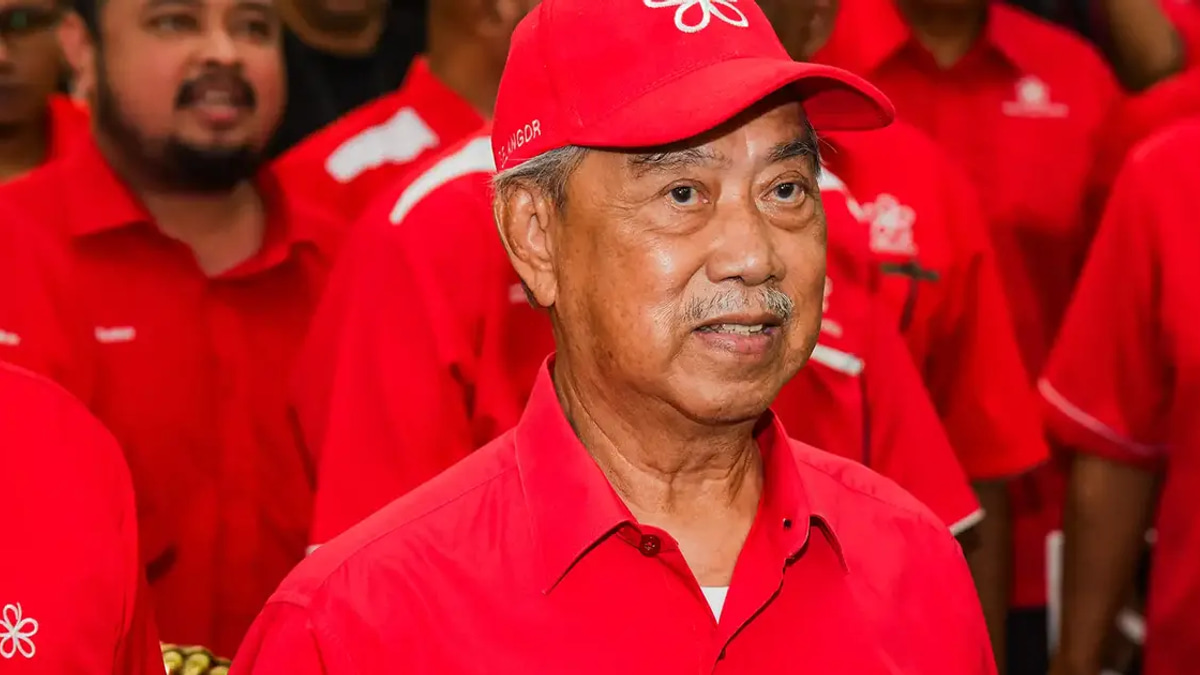
Bersatu president Muhyiddin Yassin believes his party can independently attract non-Malay voters, attributing previous electoral difficulties to voter unease with PAS's political style rather than Bersatu's own policies.
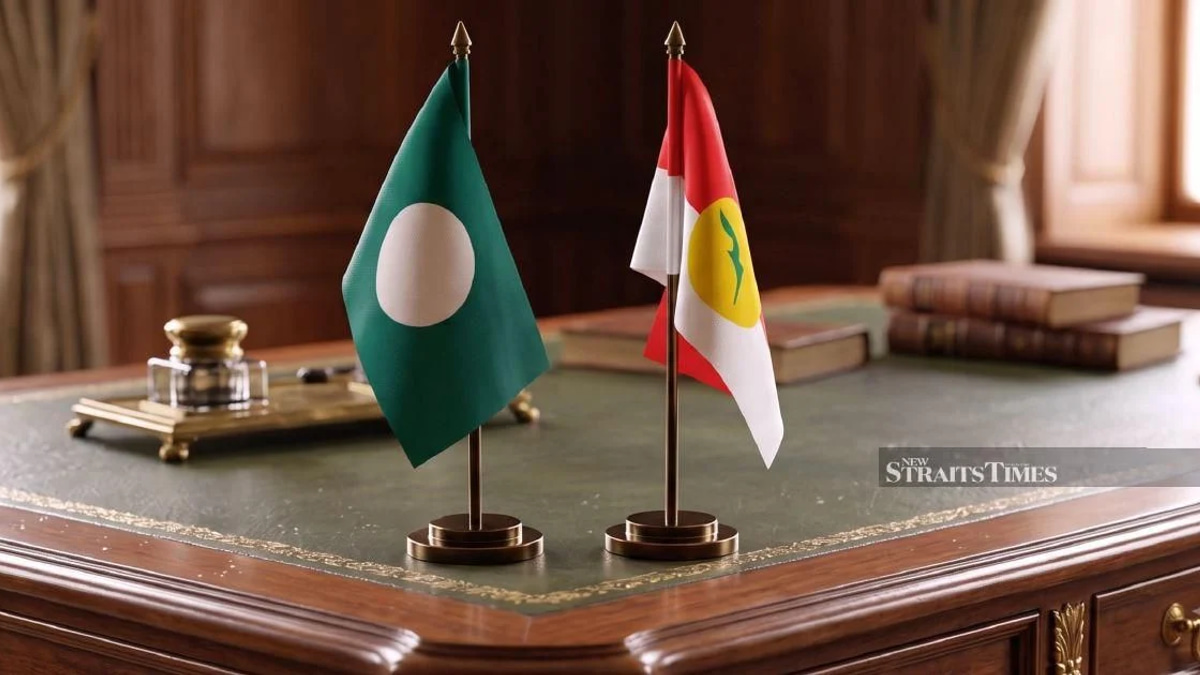
Despite Barisan Nasional's recent election success in Johor, political observers believe Umno and Pas will not pursue a formal alliance for the upcoming Negri Sembilan state polls.

In the Johor state election, Pakatan Harapan's Kukup candidate Cheah Chee Hong is charting a contrarian campaign course by concentrating on resolving everyday local problems rather than engaging in national political debates.
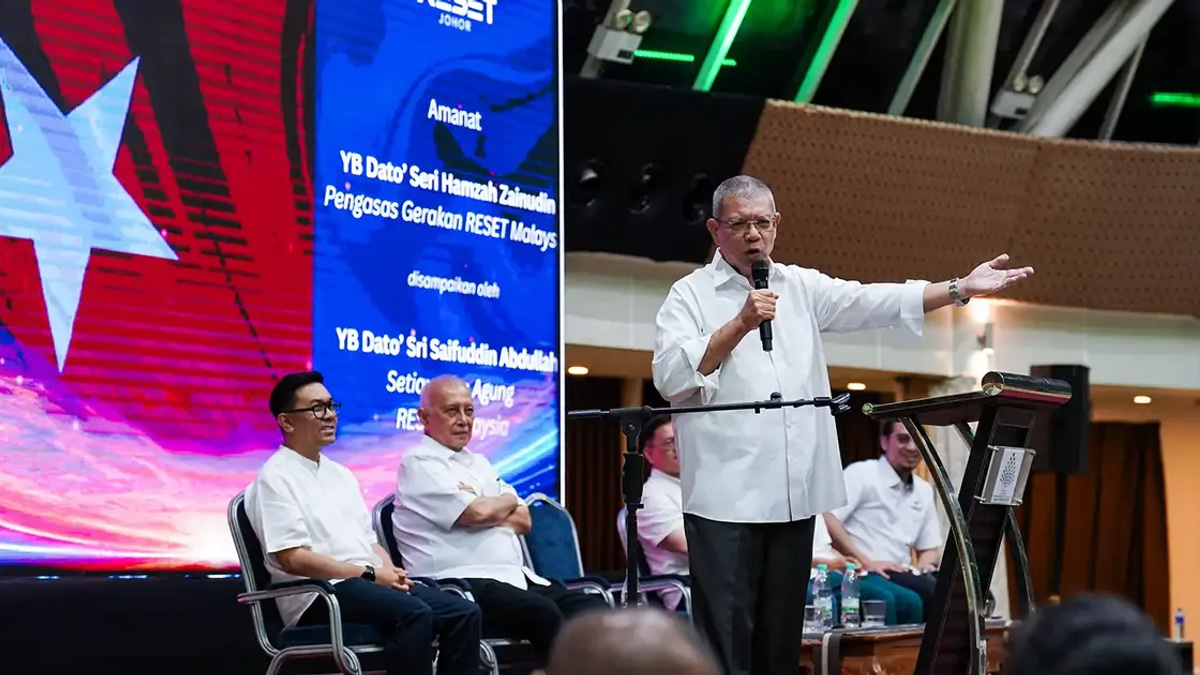
Saifuddin Abdullah urges Malaysian voters to apply their ethical principles when choosing between PN and BN candidates, signalling fractures within Pakatan Harapan coalition politics.
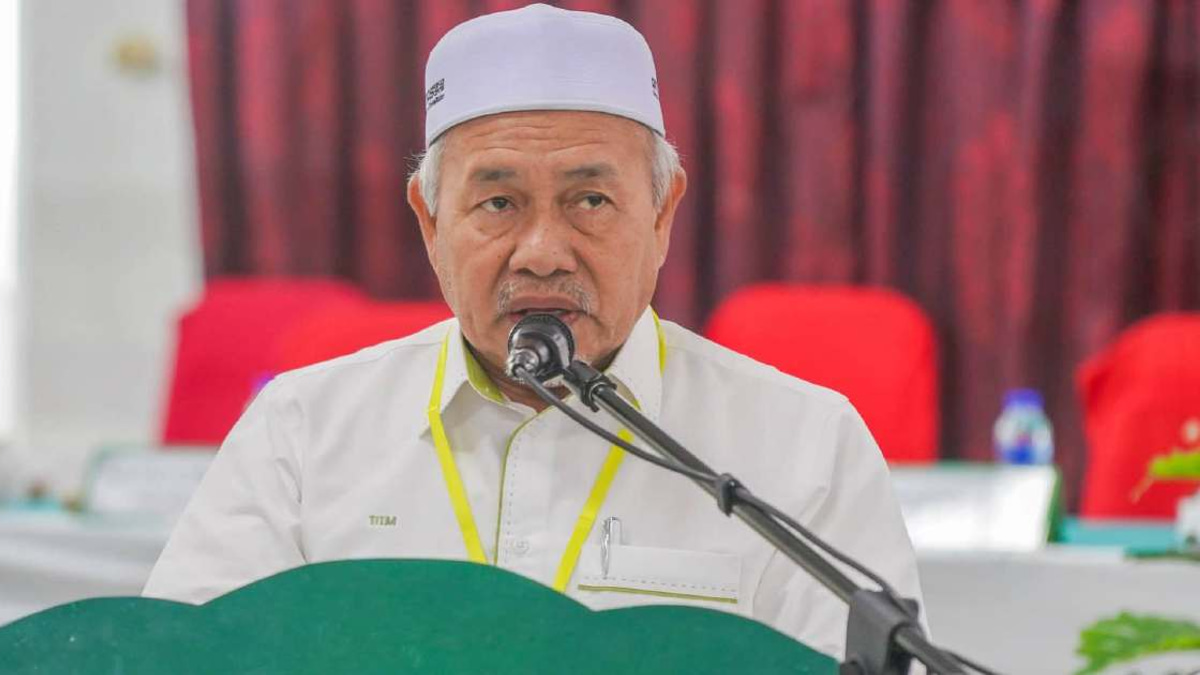
Pas deputy president Datuk Seri Tuan Ibrahim Tuan Man has identified youth voter disengagement as the party's principal challenge in attracting wider support during the upcoming Johor state election.
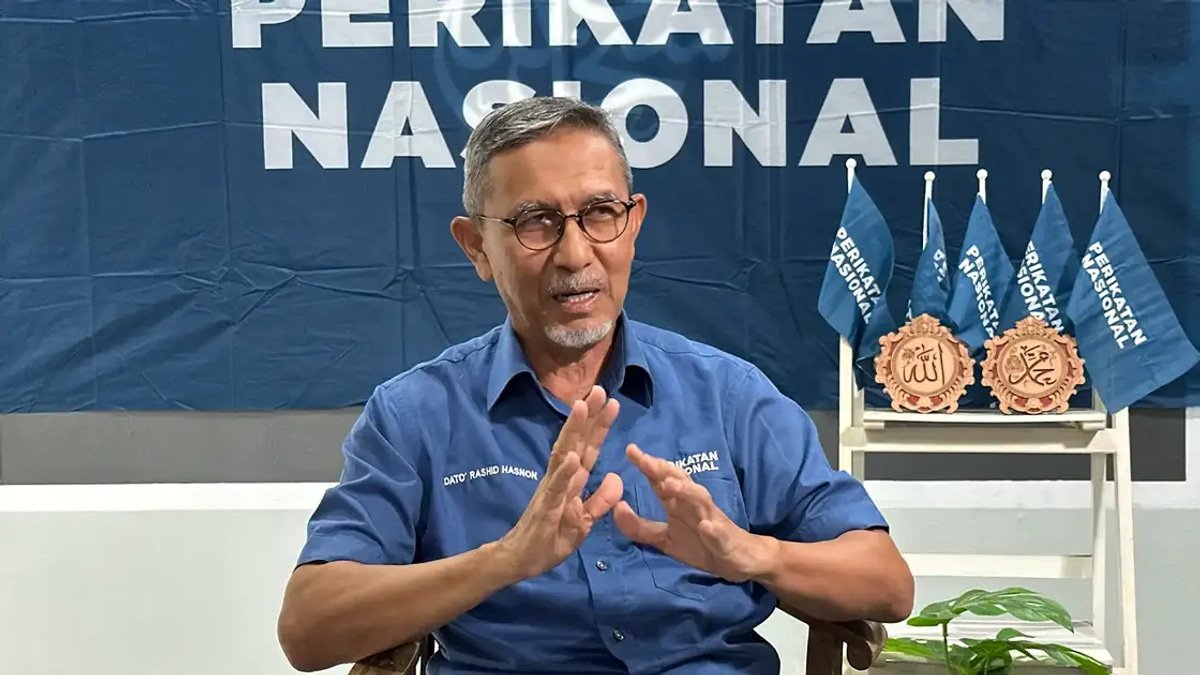
Rashid Hasnon, Bersatu's deputy chief in Johor contesting Senggarang, has downplayed concerns about PAS participation in Barisan Nasional activities, signalling the party's confidence in its electoral strategy.
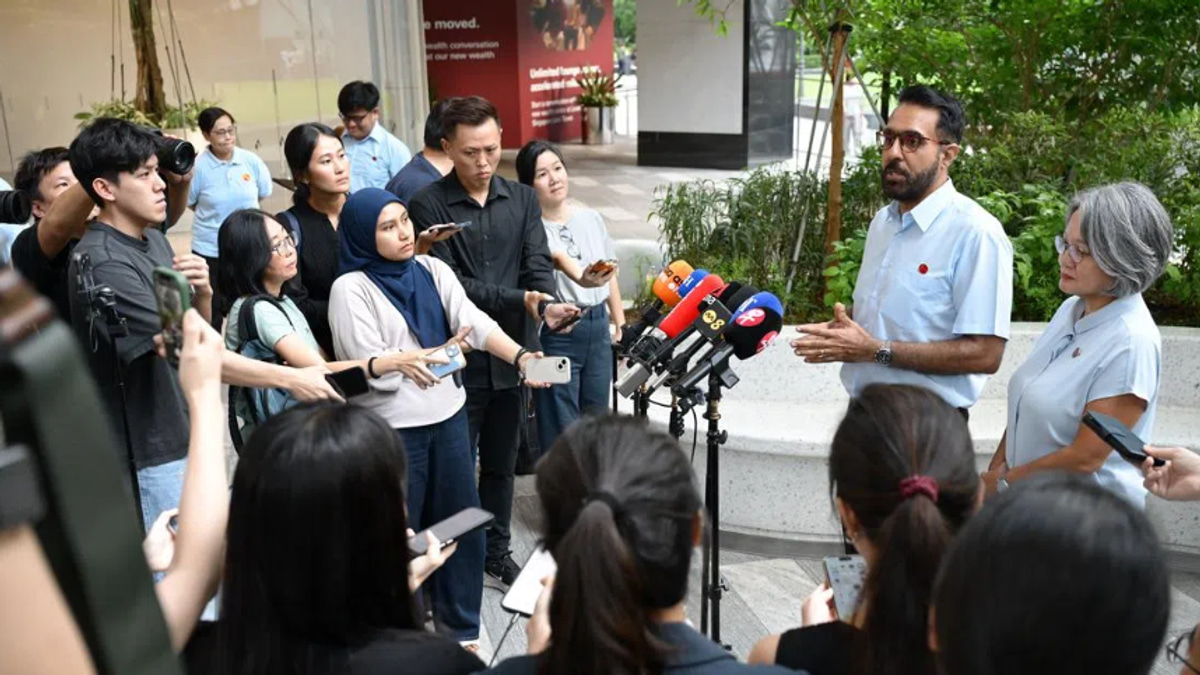
Singapore's Workers Party has rallied behind leader Pritam Singh following internal party elections, with cadres voting to retain him despite his conviction for lying to Parliament. The show of unity suggests the party wants to move forward.
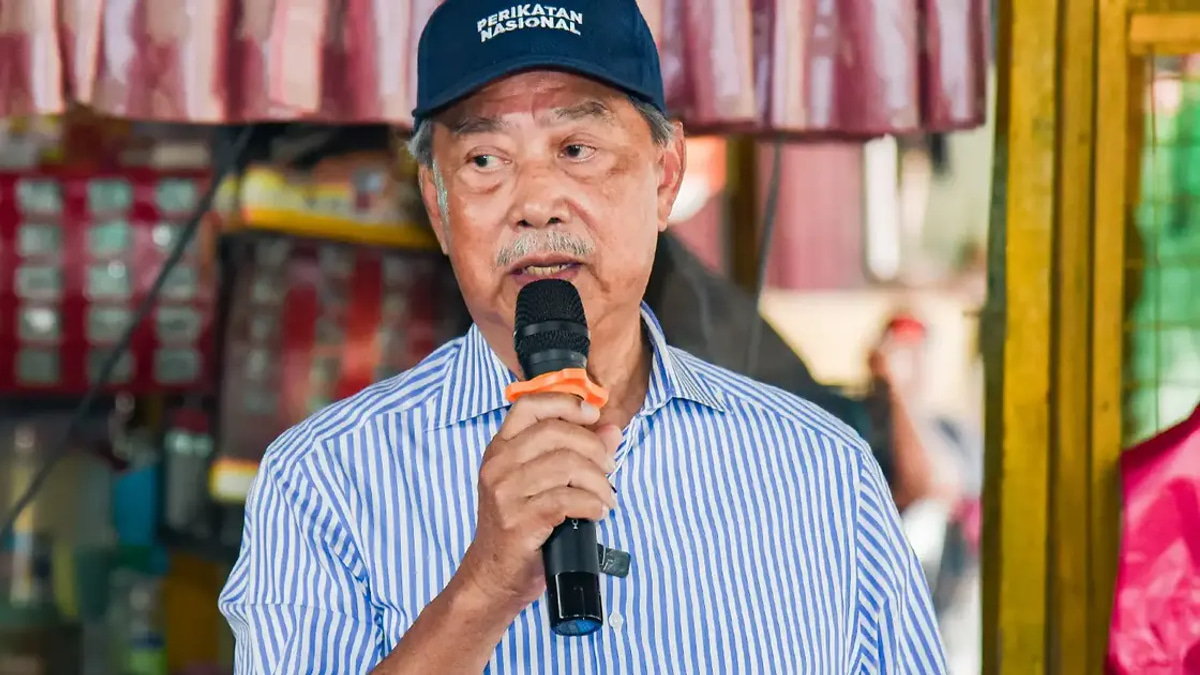
Bersatu's president has signalled the party will allow its supporters to vote according to their own preference in constituencies where Perikatan Nasional is not fielding candidates, marking a departure from PAS's strategy.
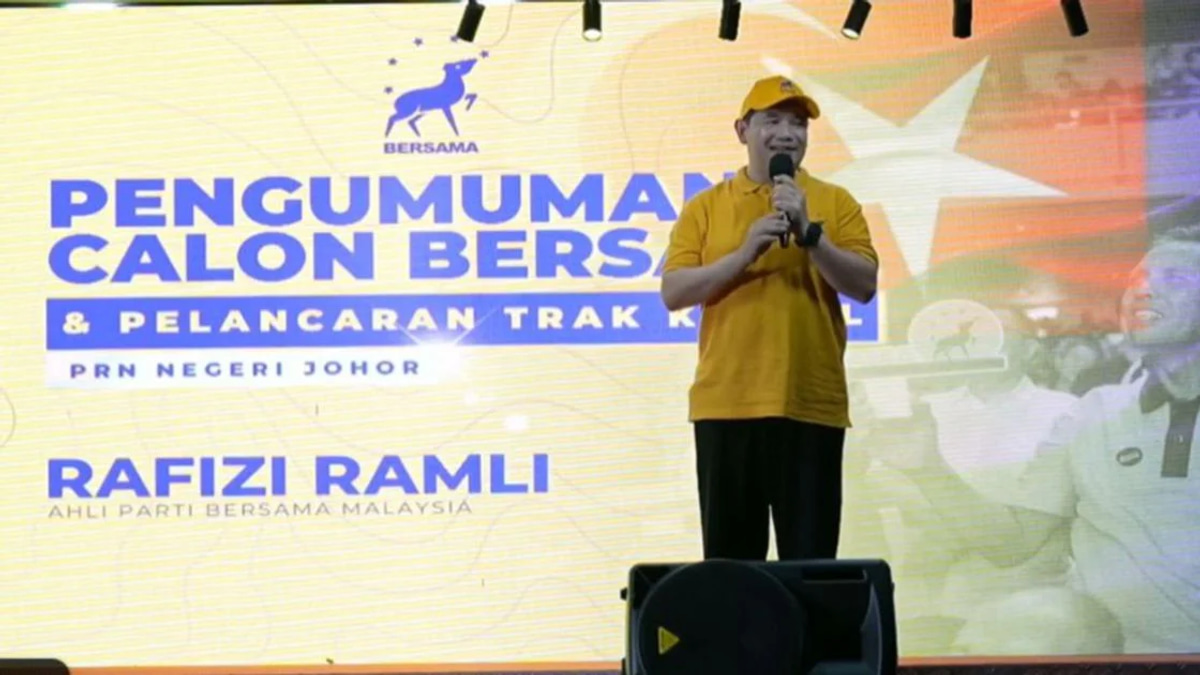
Parti Bersama Malaysia has unveiled its campaign roster of 15 candidates for the upcoming 16th Johor state election, marking the party's continued push into southern Malaysian politics.
%22%2F%3E%3C%2Fpattern%3E%3C%2Fdefs%3E%3Crect%20width%3D%22100%25%22%20height%3D%22100%25%22%20fill%3D%22url(%23ph481dug)%22%2F%3E%3Crect%20width%3D%22100%25%22%20height%3D%22100%25%22%20fill%3D%22url(%23ph481dup)%22%2F%3E%3Ctext%20x%3D%2250%25%22%20y%3D%2250%25%22%20text-anchor%3D%22middle%22%20dominant-baseline%3D%22central%22%20fill%3D%22rgba(255%2C255%2C255%2C0.95)%22%20font-family%3D%22Georgia%2C%20'Times%20New%20Roman'%2C%20serif%22%20font-weight%3D%22700%22%20font-size%3D%22320%22%20letter-spacing%3D%22-0.02em%22%3EPAS%3C%2Ftext%3E%3C%2Fsvg%3E)
PAS president Hadi Awang has made clear that the Islamic party will not activate its election machinery to bolster Bersatu's candidacy in Johor. The statement marks a significant clarification on coalition dynamics.
%22%2F%3E%3C%2Fpattern%3E%3C%2Fdefs%3E%3Crect%20width%3D%22100%25%22%20height%3D%22100%25%22%20fill%3D%22url(%23phhz3qg)%22%2F%3E%3Crect%20width%3D%22100%25%22%20height%3D%22100%25%22%20fill%3D%22url(%23phhz3qp)%22%2F%3E%3Ctext%20x%3D%2250%25%22%20y%3D%2250%25%22%20text-anchor%3D%22middle%22%20dominant-baseline%3D%22central%22%20fill%3D%22rgba(255%2C255%2C255%2C0.95)%22%20font-family%3D%22Georgia%2C%20'Times%20New%20Roman'%2C%20serif%22%20font-weight%3D%22700%22%20font-size%3D%22136%22%20letter-spacing%3D%22-0.02em%22%3EPAS-Bersa%E2%80%A6%3C%2Ftext%3E%3C%2Fsvg%3E)
PAS president Tan Sri Abdul Hadi Awang has firmly rejected suggestions that his party's divergence from Bersatu represents mere election posturing, emphasising the split reflects genuine ideological and strategic differences between the two Perikatan Nasional components.
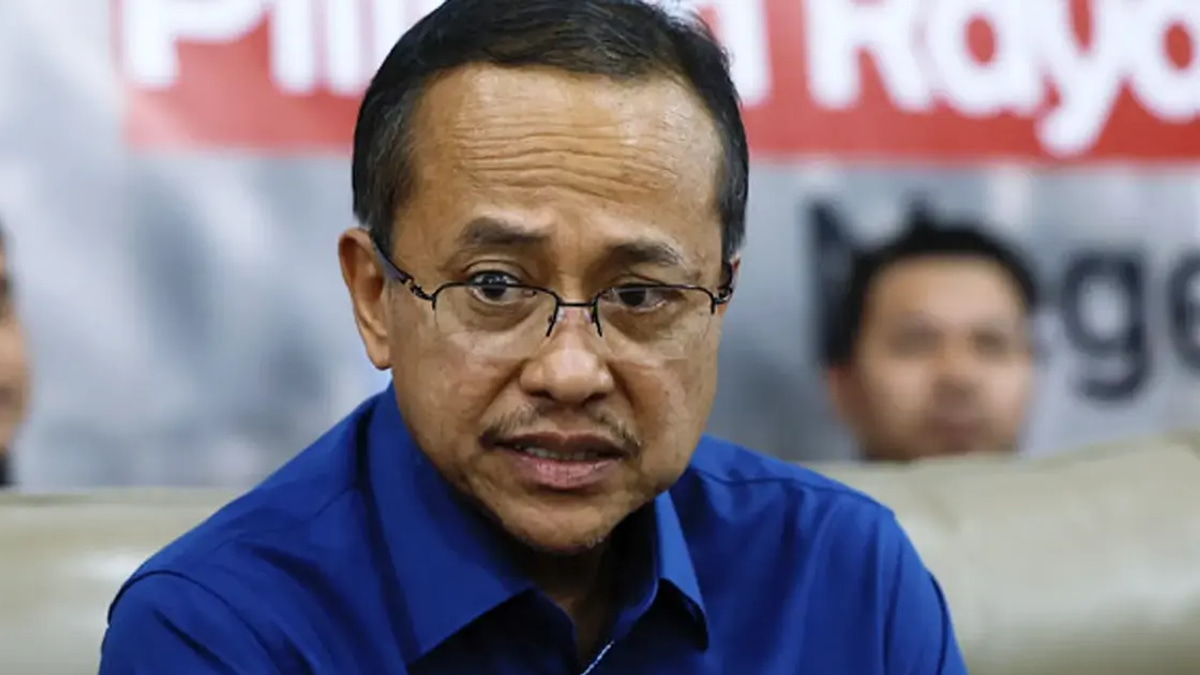
Perikatan Nasional coalition chairman Samsuri has dismissed concerns about voter confusion arising from PAS and Bersatu both utilising the PN logo, stressing that the parties maintain separate electoral battlegrounds to prevent direct competition.