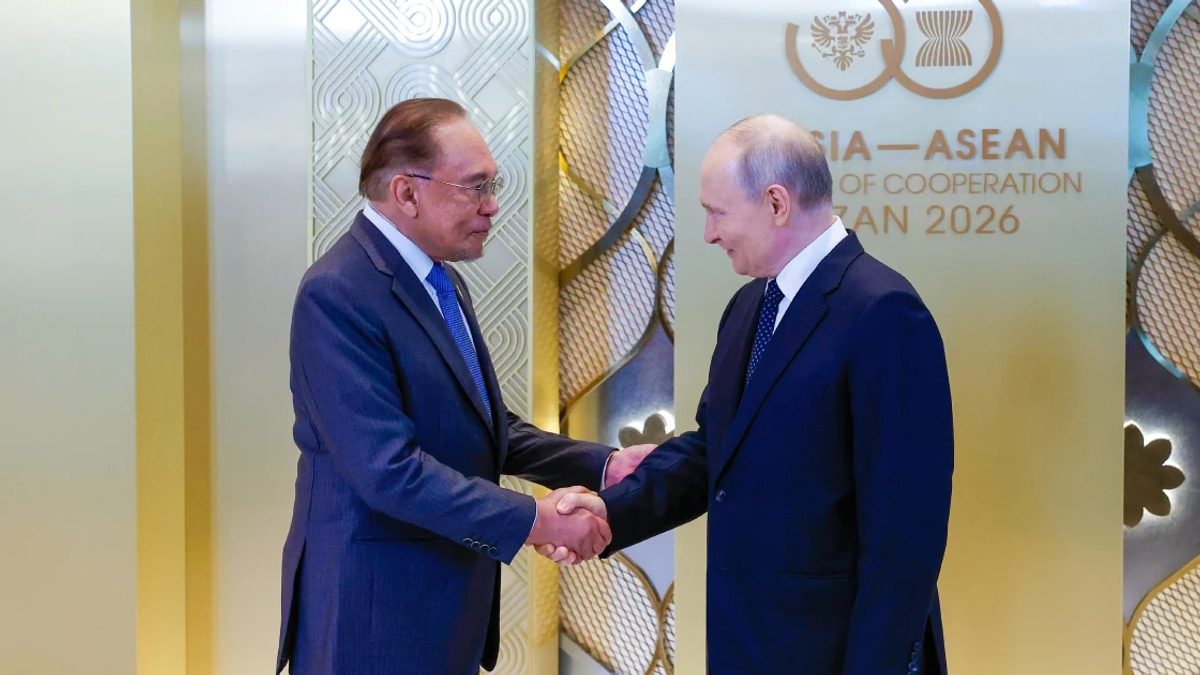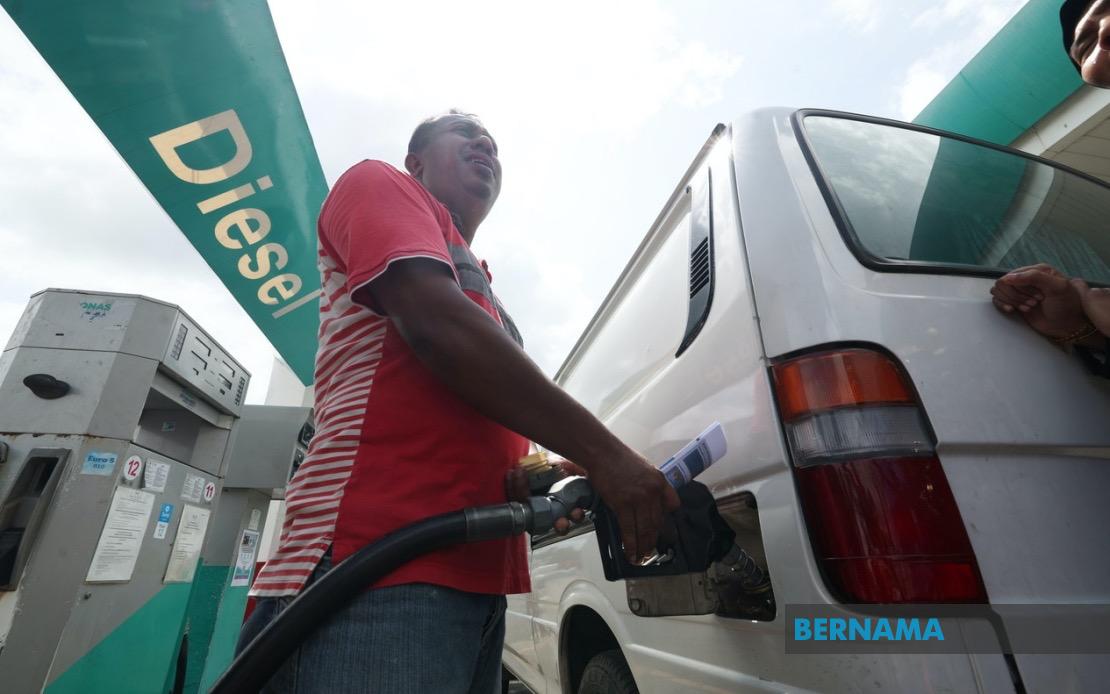
Malaysia's government has committed to reducing subsidised diesel costs to RM2.10 per litre beginning in July 2026, marking a significant shift in the country's fuel subsidy framework. Prime Minister Datuk Seri Anwar Ibrahim made the announcement in Bintulu, signalling the administration's intention to maintain affordable fuel access for ordinary citizens while pursuing fiscal responsibility. The new pricing structure represents a continuation of the MADANI Government's broader subsidy reform agenda, designed to balance the needs of lower and middle-income households with the imperative to reduce public expenditure on fuel support.
The diesel subsidy reform will operate through a targeted system that draws parallels with the successful BUDI MADANI RON95 programme already in place for petrol. Under this approach, Malaysian citizens will need to verify their eligibility using their MyKad identification cards, ensuring that subsidies reach those genuinely requiring support rather than being distributed universally. This verification mechanism has proven effective in the RON95 scheme, reducing leakage and preventing abuse while maintaining ease of access at petrol stations nationwide. The government evidently views this model as scalable and efficient enough to extend to the diesel market.
The timing of this announcement carries significance for Malaysia's broader economic strategy. As global crude oil prices fluctuate and budgetary pressures mount, targeted subsidies represent a pragmatic alternative to blanket price controls that can strain government finances. By implementing this system from July 2026, the administration provides businesses and consumers with advance notice, allowing supply chains and personal budgeting to adjust accordingly. For transport operators, small traders, and agricultural enterprises that depend heavily on diesel fuel, this price ceiling offers predictability and protection against volatile international markets.
Finance Minister II Datuk Seri Amir Hamzah Azizan is scheduled to provide detailed implementation guidance to the media in Kuala Lumpur, indicating that further technical specifications regarding the subsidy mechanism will follow shortly. These explanations will likely address critical operational questions, including how the MyKad verification will be streamlined at fuel stations, which consumer categories qualify for subsidised rates, and how the government will monitor compliance to prevent circumvention. The involvement of the Finance Ministry underscores the fiscal implications of this policy, suggesting careful calculations have underpinned the RM2.10 price point.
The announcement occurred during Prime Minister Anwar's visit to Bintulu to oversee the formal conversion of Bintulu Port from federal to state authority. This ceremonial context highlights the government's simultaneous focus on economic development across Malaysia's regions and on maintaining living standards through subsidy policies. The decision to announce the diesel subsidy at a state-level event in Sarawak also reflects awareness of how fuel costs affect rural and regional economies, where diesel consumption for agriculture, fishing, and transport is particularly pronounced.
From a Southeast Asian perspective, Malaysia's approach to fuel subsidies deserves attention. Many regional economies grapple with similar tensions between protecting consumers and maintaining fiscal discipline. Indonesia and Thailand have implemented comparable targeted subsidy schemes with varying success rates. Malaysia's BUDI95 experience provides a regional case study in how digital verification can enhance subsidy efficiency, potentially offering lessons for neighbouring countries considering similar reforms. The expansion to diesel demonstrates policy learning and willingness to test mechanisms across fuel categories.
The diesel subsidy reform also carries implications for Malaysia's industrial competitiveness. Manufacturing and logistics sectors, which consume substantial quantities of diesel, will benefit from the price certainty this policy provides. A capped price reduces operational unpredictability and allows businesses to stabilize transportation and production costs. For export-oriented sectors and small and medium enterprises operating on thin margins, this subsidy floor represents crucial support that can sustain profitability and employment.
However, the policy also raises questions about fiscal sustainability. While targeted subsidies are more efficient than universal ones, they still represent government expenditure. The choice of RM2.10 per litre reflects a policy decision about how deeply the government should discount diesel relative to global market prices. As crude oil markets evolve and global economic conditions shift, the government will need to periodically reassess whether this price point remains fiscally tenable. The MADANI framework suggests a willingness to regularly review subsidy levels, balancing budget constraints against social policy objectives.
The implementation mechanism itself merits scrutiny. MyKad verification at petrol stations requires infrastructure, training, and monitoring to function smoothly across thousands of fuel retailers nationwide. Any teething problems could create bottlenecks or public frustration during the system's initial months. The government's prior experience with BUDI95 should inform rollout planning, yet diesel's broader consumer base and different usage patterns may present distinct challenges requiring adaptation.
Communications from the Finance Ministry will be pivotal in explaining how Malaysian households and businesses can access the subsidised rate. Clarity regarding eligibility criteria—whether the subsidy applies to all Malaysian residents or targets specific income groups—will shape public understanding and acceptance. Equally important is transparency about the financial impact on government accounts and any offsetting measures elsewhere in fiscal policy.
The RM2.10 diesel subsidy announcement reflects the MADANI Government's continued commitment to social protection mechanisms even as it pursues broader economic modernisation. For Malaysian consumers, particularly those in transport, agriculture, and small commerce sectors, the policy signals stability and affordability in fuel pricing. For policymakers and economists, it exemplifies how targeted, technology-enabled subsidies can balance equity with fiscal responsibility in an increasingly complex economic environment. The success of this initiative will likely influence the government's approach to other subsidy programmes and regional debates about how best to support vulnerable populations amid global economic volatility.