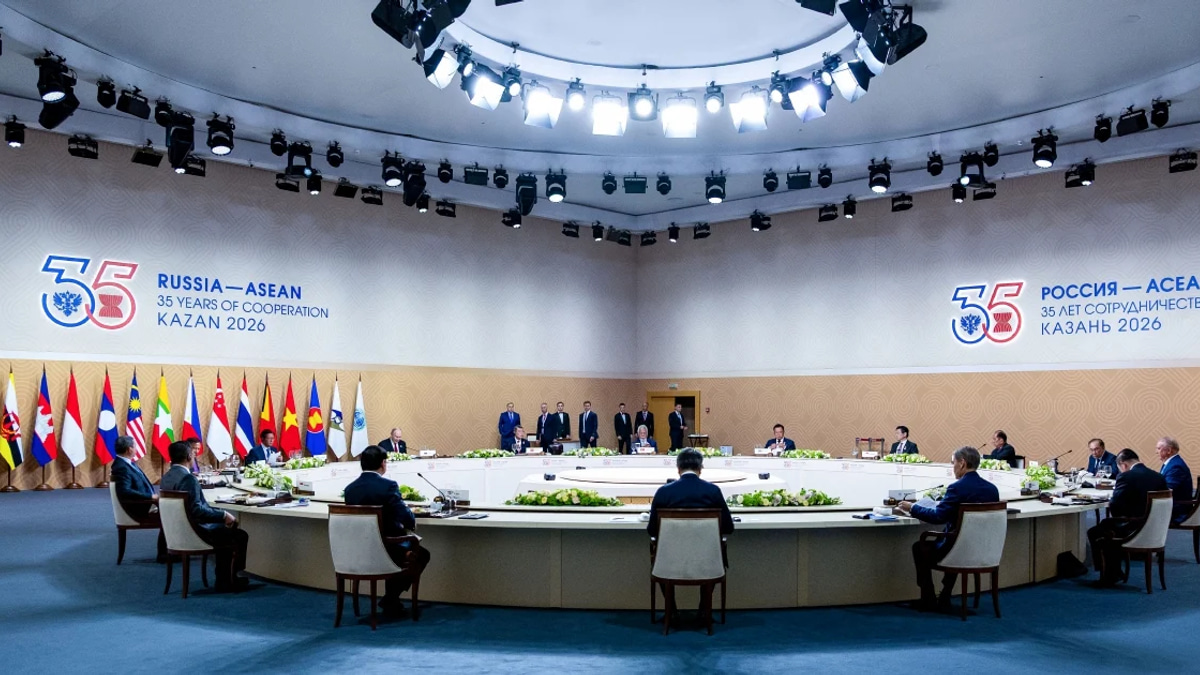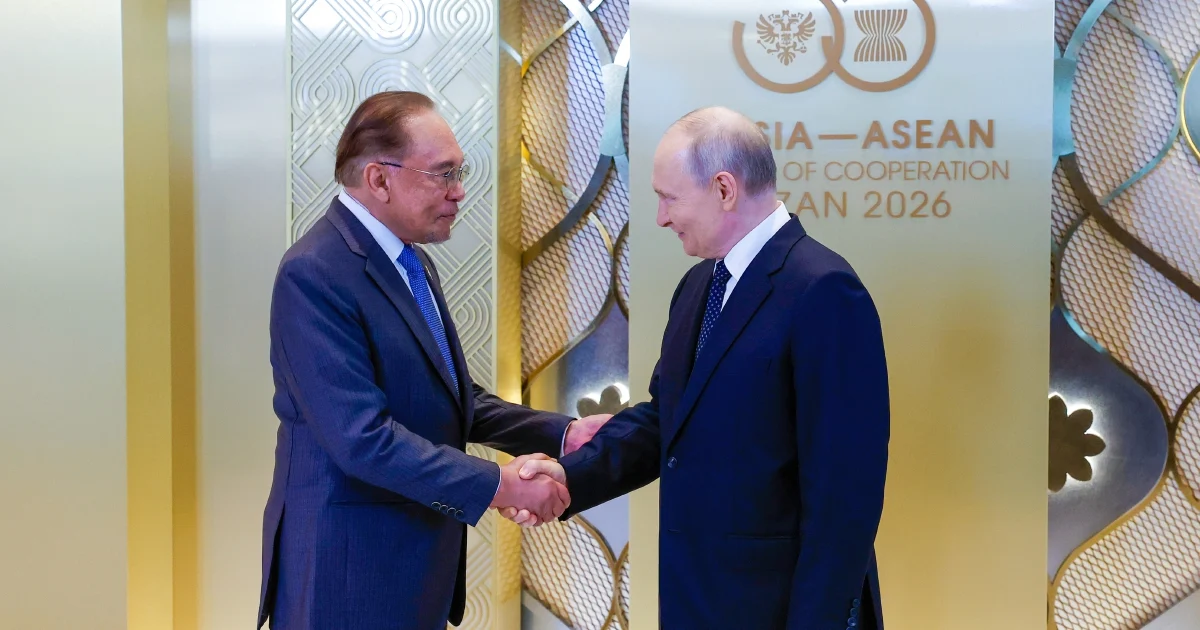
Prime Minister Datuk Seri Anwar Ibrahim disclosed during a Bintulu visit that Malaysia is advancing critical diplomatic engagements with Russia to fortify its energy infrastructure against future supply uncertainties. The commitment, purportedly made by Russian President Vladimir Putin, represents a significant component of Kuala Lumpur's evolving strategy to secure long-term hydrocarbon supplies through partnerships spanning multiple continents and political systems.
Malaysia's approach to energy security reflects a fundamental shift in how Southeast Asian nations are calibrating their international relationships. Rather than depending solely on traditional Western suppliers or remaining tethered to any single energy partner, the country is deliberately cultivating ties with diverse major producers—a manoeuvre that strengthens its negotiating leverage and insulates it from potential supply shocks. This multi-partner framework has become increasingly relevant as global energy markets experience volatility and geopolitical tensions reshape traditional trading patterns.
The energy sector holds particular significance for Malaysia's domestic economy and development trajectory. Beyond meeting the nation's own consumption requirements, the hydrocarbon industry underpins government revenues, sustains employment across rural regions, and generates export earnings that fund critical public infrastructure. Petroliam Nasional Berhad (Petronas), the national oil and gas corporation, operates extensive facilities in Bintulu and throughout the country, making energy diplomacy not merely an abstract foreign policy concern but a matter directly affecting ordinary Malaysians' prosperity and opportunity.
Russia's reaffirmation of energy commitments arrives during a period when traditional suppliers face competing demands and when energy independence has become a rallying point across numerous nations. Moscow controls one of the world's most extensive proven reserves of both crude petroleum and natural gas, positioning it as a consequential actor in global energy markets regardless of the diplomatic tensions surrounding its geopolitical conduct. For Malaysia, accessing these reserves on stable, long-term contractual terms provides a hedge against market volatility and supply interruptions elsewhere.
The Bintulu location for Anwar's announcement carries symbolic weight, as the coastal city hosts major petrochemical and liquefied natural gas operations that constitute economic anchors for Sarawak's development. The Bintulu LNG plant, operated by Petronas and involving Japanese and Korean partners, processes gas extracted from offshore fields and distributes it to markets across the Asia-Pacific region. Such facilities require predictable feedstock supplies across decades, making the assurances from Moscow relevant to the operational planning and investment decisions that sustain these complexes.
Diversifying energy partnerships represents a pragmatic response to contemporary global realities. Conventional Western suppliers, while stable and reliable, increasingly face competing demands from their own transition toward renewable energy sources and reduced fossil fuel consumption. Simultaneously, Asian economies—including Malaysia—still require substantial hydrocarbon inputs for electricity generation, transportation, and industrial processes. Establishing secure channels for resources from multiple origins reduces the risk that any single geopolitical crisis or supply shock elsewhere could severely disrupt Malaysia's economy.
Anwar's emphasis on bilateral engagement with major energy producers underscores Malaysia's recognition that the traditional post-Cold War international order has fragmented into a more multipolar landscape where smaller and mid-sized nations must actively manage relationships across competing blocs. Rather than viewing such partnerships through an ideological lens, Kuala Lumpur appears to be adopting a pragmatic, transactional approach centred on advancing national interests. This philosophy aligns with Malaysia's longstanding foreign policy orientation of maintaining equidistant relationships with major powers.
The energy partnership with Russia also reflects Malaysia's positioning within the Organisation of Petroleum Exporting Countries' (OPEC) wider diplomatic ecosystem. As a significant energy exporter itself, Malaysia maintains interests in the broader stability and pricing structures of global hydrocarbon markets. Strengthening relationships with other major producers, whether within OPEC membership or beyond, helps coordinate approaches to market management and ensures that policy decisions reflect the concerns of producing nations alongside consumer interests.
From a Southeast Asian perspective, Malaysia's energy diplomacy carries implications extending beyond bilateral arrangements. As the region's most developed hydrocarbon producer and a significant player in global LNG markets, Malaysian policies and partnerships set precedents that other nations observe carefully. Should Kuala Lumpur's diversification strategy yield demonstrable benefits in supply security and economic returns, neighbouring countries facing similar energy challenges may consider analogous approaches, potentially reshaping energy trade patterns throughout the region.
The medium-to-long-term implications of these energy partnerships hinge on several variables, including global energy market trends, investment in renewable technologies, and the stability of the partnerships themselves. Nonetheless, Anwar's public emphasis on Russia's commitment signals Malaysia's determination to secure resources essential for sustained economic development. Whether such partnerships ultimately prove decisive in meeting Malaysia's future energy requirements will depend on how effectively they are integrated into a comprehensive strategy combining diversified sourcing, domestic efficiency improvements, and gradual transitions toward cleaner energy systems.
For Malaysian consumers and businesses, energy security directly translates to reliable access to electricity, fuel, and raw materials for manufacturing at competitive prices. By cultivating relationships with major producers across different geopolitical contexts, Kuala Lumpur is attempting to maximise its strategic flexibility and reduce vulnerability to external pressures. The Bintulu announcement thus represents not merely diplomatic positioning but a concrete effort to underpin national economic security through prudent resource management and relationship-building with key international partners.