%22%2F%3E%3C%2Fpattern%3E%3C%2Fdefs%3E%3Crect%20width%3D%22100%25%22%20height%3D%22100%25%22%20fill%3D%22url(%23ph5cf5sg)%22%2F%3E%3Crect%20width%3D%22100%25%22%20height%3D%22100%25%22%20fill%3D%22url(%23ph5cf5sp)%22%2F%3E%3Ctext%20x%3D%2250%25%22%20y%3D%2250%25%22%20text-anchor%3D%22middle%22%20dominant-baseline%3D%22central%22%20fill%3D%22rgba(255%2C255%2C255%2C0.95)%22%20font-family%3D%22Georgia%2C%20'Times%20New%20Roman'%2C%20serif%22%20font-weight%3D%22700%22%20font-size%3D%22226%22%20letter-spacing%3D%22-0.02em%22%3EHamzah%3C%2Ftext%3E%3C%2Fsvg%3E)
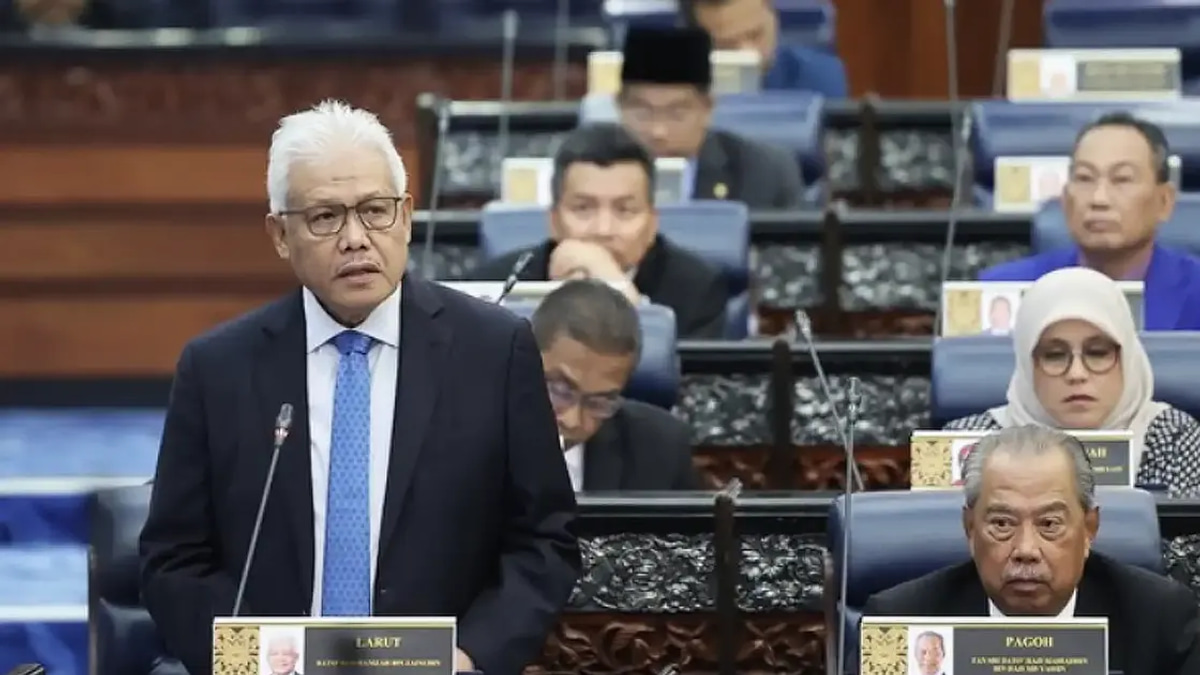
The Dewan Rakyat Speaker Tan Sri Johari Abdul has formally acknowledged Hamzah's appointment as the Opposition Leader, bringing clarity to a significant structural position within Malaysia's legislative chamber. The confirmation came after the Speaker received the requisite official notification regarding the leadership change, a procedural step essential for parliamentary records and the functioning of the house.
Hamzah's elevation to the Opposition Leader role carries substantial implications for parliamentary dynamics in Malaysia. The position holds considerable symbolic and functional weight, as it grants the holder greater speaking privileges, visibility in legislative debates, and the responsibility of coordinating opposition-aligned members on key matters of national importance. This formal recognition by the Speaker establishes the Opposition Leader's standing in the eyes of the institution and the broader public, lending weight to their pronouncements on government policy and parliamentary affairs.
Concurrently, the parliamentary reshuffle included the relocation of Muhyiddin to a new seat within the chamber. Such seating changes, while sometimes appearing procedural on the surface, often reflect evolving political alignments and factional positioning within parliament. The specific seat allocation can influence visibility during televised proceedings, proximity to allied members, and positioning relative to government benches, all of which carry symbolic significance in Malaysia's parliamentary tradition.
These developments unfold against a backdrop of Malaysia's complex and fluid political landscape, where coalitions remain fragile and leadership positions subject to negotiation. The confirmation of Hamzah's status provides a degree of institutional stability, as it removes ambiguity regarding who formally represents the opposition bloc in parliamentary procedures and public communications. For Malaysian citizens and regional observers, the clarity is important for understanding the current structure of legislative opposition and the channels through which alternative policy perspectives will be articulated.
The role of Opposition Leader has historically been contentious in Malaysian politics, particularly when coalition arrangements are contested or when multiple factions claim representation of opposition interests. By formally confirming Hamzah's position, the Speaker has effectively settled this question for the time being, though such arrangements remain subject to change if parliamentary mathematics or political alliances shift. The confirmation process itself—requiring written notification—demonstrates the institutional protocols that govern even significant political transitions, underscoring that even in a sometimes turbulent political environment, certain procedural frameworks remain respected.
For regional observers and political analysts, these moves are indicative of Malaysia's ongoing efforts to maintain functional parliamentary governance despite underlying political tensions. Southeast Asia has witnessed considerable democratic variation across the region, and Malaysia's reliance on formal parliamentary procedures to manage political transitions—even contentious ones—reflects an institutional commitment that many regional partners have come to expect. The Speaker's role in confirming such positions highlights the importance of non-partisan institutional guardianship in maintaining legislative credibility.
The repositioning of Muhyiddin raises questions about the factional alignments within the current opposition grouping and whether this reflects a strategic realignment or simply technical accommodation of parliamentary logistics. Political observers will likely scrutinize whether the new seating arrangement signals a shift in Muhyiddin's political standing or represents a more neutral administrative adjustment. Historical precedent suggests that such changes warrant careful attention, as Malaysian parliamentary politics often encodes significant meanings in seemingly minor procedural decisions.
Hamzah's confirmation also affects the operational rhythm of parliament, as the Opposition Leader typically coordinates responses to government statements, leads opposition-backed legislative initiatives, and serves as the public face of non-government parliamentarians. The clarity this provides allows the opposition bloc to function more cohesively and permits the government to identify its principal parliamentary interlocutors more definitively. For parliamentary observers and civil society organisations tracking legislative accountability, knowing exactly who holds the Opposition Leader position is essential for monitoring the quality of government scrutiny and debate.
The timing of these confirmations reflects Malaysia's ongoing period of political consolidation following recent electoral cycles and coalition negotiations. The country has experienced significant political volatility in recent years, with multiple changes in government and numerous realignments among political parties. These parliamentary adjustments can be understood as part of the process through which new political configurations establish institutional legitimacy and settle operational questions that have accumulated during periods of uncertainty.
Looking forward, Hamzah's confirmed status as Opposition Leader and the parliament's updated seating arrangements provide the foundation for a more defined legislative session. Both government and opposition will now operate with clearer role definitions, potentially improving the quality of parliamentary discourse and the effectiveness of legislative oversight. For Malaysian democracy, such institutional clarity—even when reflecting contentious political realities—represents an important step toward normalisation after periods of political turbulence.