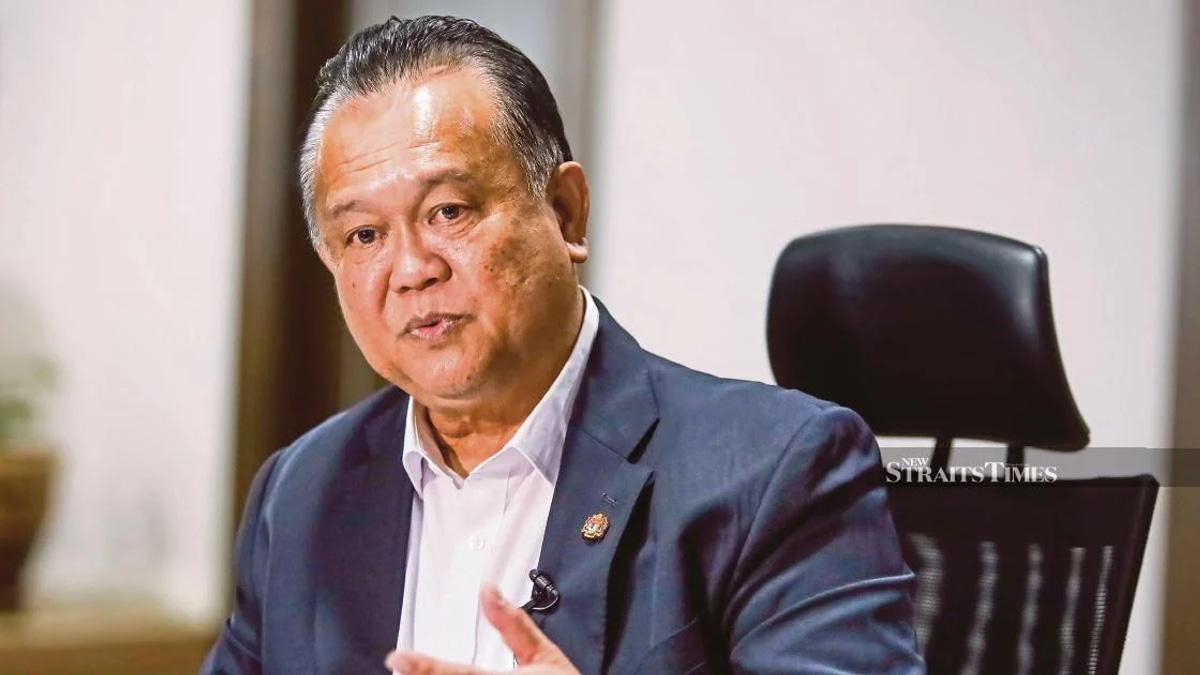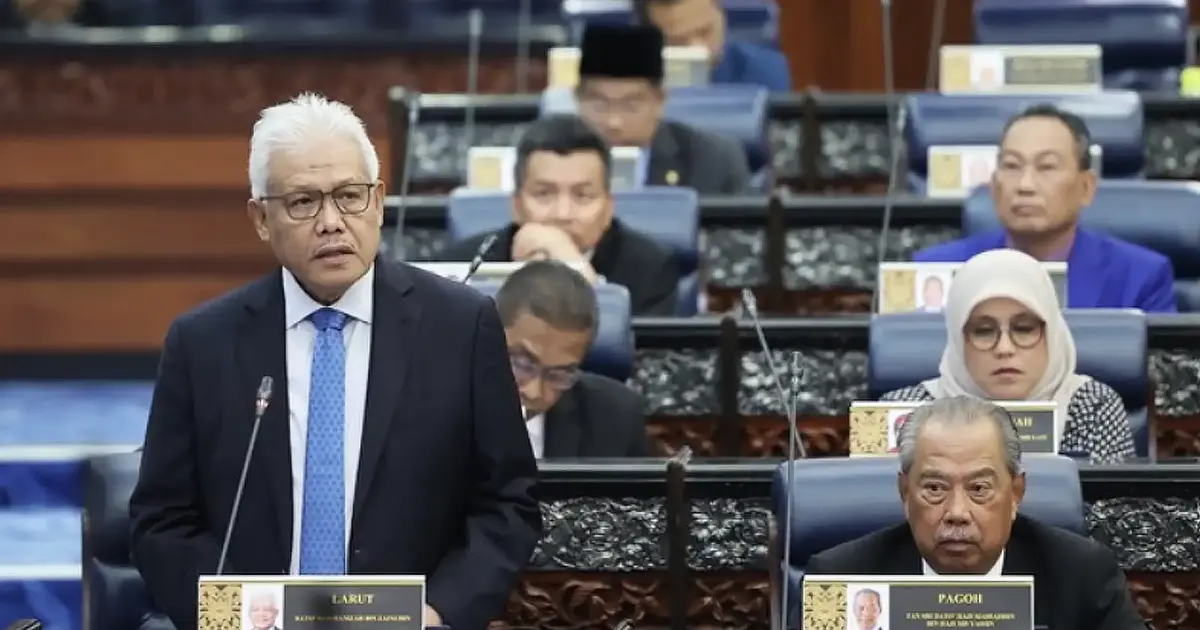
Dewan Rakyat Speaker Johari Abdul has revealed that Muhyiddin Yassin submitted a formal request to alter his seating arrangement within the chamber, marking an administrative adjustment in Malaysia's parliamentary proceedings. The disclosure surfaced during routine parliamentary communications, drawing attention to the evolving dynamics of opposition positioning in the lower house of Parliament.
The speaker's announcement simultaneously confirmed receipt of official documentation designating Larut MP Hamzah Zainudin as the leader of the opposition bloc. This formal recognition carries procedural significance, as the opposition leader holds established parliamentary privileges and responsibilities, including structured engagement with government business and designated speaking rights during legislative sessions.
The confluence of these two developments reflects broader realignments within the opposition coalition following recent political shifts in Malaysia's legislative landscape. Muhyiddin's prior tenure as Prime Minister, coupled with his continued parliamentary presence, positions his movements as potentially indicative of wider repositioning strategies among opposition figures. The specific nature of his seating request remains undisclosed, though such adjustments typically relate to parliamentary protocol, sight lines during proceedings, or positioning relative to other legislative players.
Hamzah Zainudin's formal investiture as opposition leader represents a consolidated leadership structure for the opposition ranks. His constituency encompasses the Larut federal territory in Perak, a region that has historically demonstrated fluid political allegiances. The appointment signifies that opposition factions have coalesced around a singular leadership figure, potentially enhancing their institutional coherence and negotiating capacity within parliamentary forums.
The Dewan Rakyat operates under established conventions governing seating, speaking order, and procedural access. Opposition leaders enjoy ceremonial recognition, including guaranteed questioning opportunities and formal consultation protocols on parliamentary business. The speaker's role as arbiter of these arrangements positions Johari Abdul as custodian of parliamentary decorum and procedural fairness, responsibilities that extend to accommodating reasonable administrative requests whilst maintaining chamber functionality.
Muhyiddin's request arrives amid sustained scrutiny of opposition effectiveness in holding government accountable. For Malaysian observers and opposition supporters, organisational clarity regarding leadership and physical parliamentary positioning carries symbolic weight, suggesting efforts to strengthen legislative opposition through structural coherence. The seating adjustment potentially facilitates improved coordination among opposition members during debates and voting procedures.
The timing of these confirmations suggests deliberate communication by the speaker's office, possibly preempting speculation regarding leadership transitions or internal opposition restructuring. In Malaysian political discourse, such procedural clarifications often precede or accompany substantive shifts in opposition strategy or coalition composition. The formal documentation confirming Hamzah Zainudin's position provides legal clarity for parliamentary operations, ensuring that privileges and recognition mechanisms function according to established hierarchies.
For regional observers monitoring Malaysian governance, these developments underscore the significance of parliamentary procedure in moderating political competition. Unlike systems where opposition roles remain informal or contested, Malaysia's institutional frameworks provide explicit recognition and structural accommodation for opposition leadership, reinforcing parliamentary legitimacy and predictability.
The speaker's transparent disclosure of both matters reflects principles of parliamentary openness that characterise Malaysian legislative practice. Public acknowledgment of administrative requests and leadership confirmations contributes to institutional confidence and reduces scope for subsequent disputes regarding procedural legitimacy. This transparency proves particularly valuable during periods of political realignment, when ambiguity regarding power distribution or parliamentary authority might otherwise fuel controversy.
As opposition configurations continue evolving, formal mechanisms for recognising and accommodating leadership changes demonstrate Parliament's capacity for self-regulation. Hamzah Zainudin's confirmed position as opposition leader provides opposition members with a clearly identified interlocutor for parliamentary negotiations, whilst Muhyiddin's seating adjustment facilitates his personal comfort and effectiveness during legislative engagement. These procedural accommodations, though seemingly technical, constitute essential infrastructure for functional opposition activity within competitive democratic frameworks.
%22%2F%3E%3C%2Fpattern%3E%3C%2Fdefs%3E%3Crect%20width%3D%22100%25%22%20height%3D%22100%25%22%20fill%3D%22url(%23phdeuhg)%22%2F%3E%3Crect%20width%3D%22100%25%22%20height%3D%22100%25%22%20fill%3D%22url(%23phdeuhp)%22%2F%3E%3Ctext%20x%3D%2250%25%22%20y%3D%2250%25%22%20text-anchor%3D%22middle%22%20dominant-baseline%3D%22central%22%20fill%3D%22rgba(255%2C255%2C255%2C0.95)%22%20font-family%3D%22Georgia%2C%20'Times%20New%20Roman'%2C%20serif%22%20font-weight%3D%22700%22%20font-size%3D%22272%22%20letter-spacing%3D%22-0.02em%22%3EAmira%3C%2Ftext%3E%3C%2Fsvg%3E)
%22%2F%3E%3C%2Fpattern%3E%3C%2Fdefs%3E%3Crect%20width%3D%22100%25%22%20height%3D%22100%25%22%20fill%3D%22url(%23ph18bgxg)%22%2F%3E%3Crect%20width%3D%22100%25%22%20height%3D%22100%25%22%20fill%3D%22url(%23ph18bgxp)%22%2F%3E%3Ctext%20x%3D%2250%25%22%20y%3D%2250%25%22%20text-anchor%3D%22middle%22%20dominant-baseline%3D%22central%22%20fill%3D%22rgba(255%2C255%2C255%2C0.95)%22%20font-family%3D%22Georgia%2C%20'Times%20New%20Roman'%2C%20serif%22%20font-weight%3D%22700%22%20font-size%3D%22170%22%20letter-spacing%3D%22-0.02em%22%3EMalaysia%3C%2Ftext%3E%3C%2Fsvg%3E)