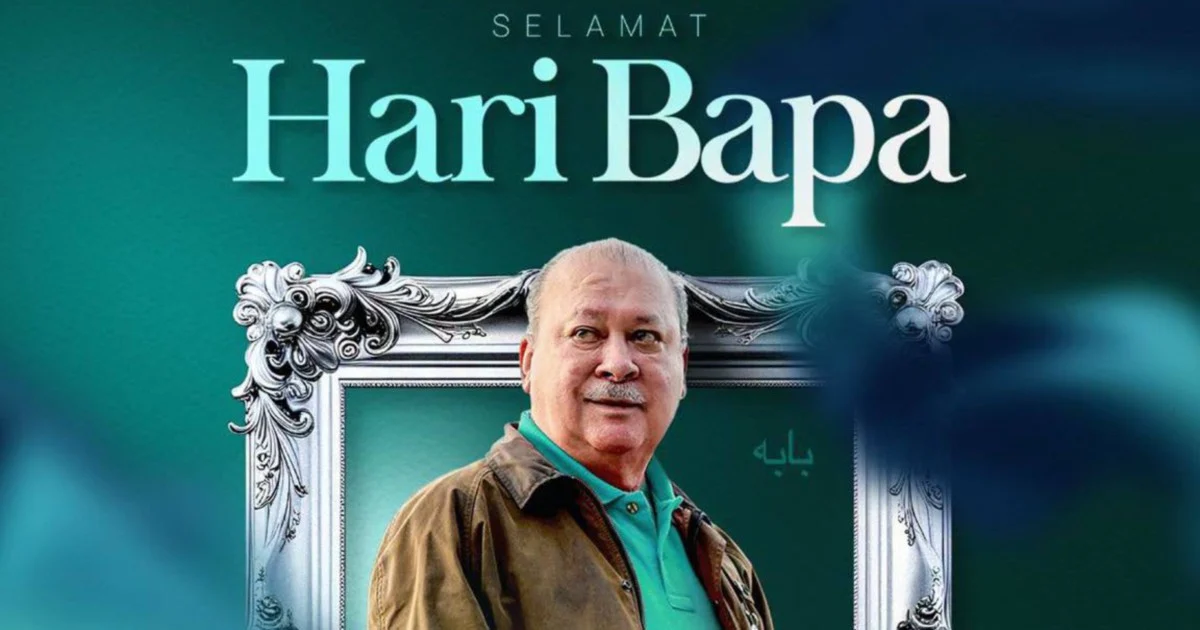
His Majesty Sultan Ibrahim, King of Malaysia, and Her Majesty Raja Zarith Sofiah, Queen of Malaysia, have conveyed warm Father's Day greetings to the nation's fathers, recognising their vital role within families and communities across the country.
The expression of goodwill from the Royal couple follows the tradition of the Malaysian monarchy using significant occasions to connect with and acknowledge the contributions of different segments of society. Father's Day celebrations in Malaysia provide an annual opportunity to honour paternal figures whose responsibilities often extend beyond the immediate family unit to encompass broader community and national development.
By extending these greetings through official channels, the King and Queen reinforce the importance placed by the institution of monarchy on family values and the recognition of parental roles. Such gestures carry symbolic weight in Malaysian society, where the royal family's acknowledgement of important social occasions helps elevate their significance within public consciousness and affirms cultural and familial traditions.
Father's Day observances in Malaysia reflect broader regional patterns of honouring parenthood and family structures, though the specific timing and manner of celebration may vary across different communities and religious contexts within the diverse nation. The inclusive nature of the royal greeting ensures that fathers from all backgrounds and walks of life receive recognition on this occasion.
The monarchy's engagement with public holidays and commemorative days demonstrates how constitutional institutions maintain relevance and connection with citizens through regular, meaningful communication. These greetings serve to humanise the institution of monarchy whilst simultaneously reinforcing values that resonate across Malaysian society, including familial bonds, responsibility, and social cohesion.
For many Malaysian families, Father's Day represents a formalised moment to express appreciation for the sacrifices and labour that fathers undertake, both in their domestic roles and professional pursuits. The timing of royal recognition further elevates this acknowledgement, signalling that the nation's leadership values what fathers contribute to the stability and wellbeing of households nationwide.
The Queen's participation in these sentiments is particularly significant, as it demonstrates the collective commitment of the royal household to engaging with occasions that touch the lives of ordinary Malaysians. The co-celebration by both the King and Queen underscores the partnership model within the monarchy and reinforces messaging about family structure and parental collaboration.
In the context of contemporary Malaysia, where discussions about work-life balance, mental health, and evolving gender roles have gained prominence, royal acknowledgement of fatherhood carries additional layers of meaning. It signals institutional support for diverse expressions of paternity and recognises that modern fathers often navigate multiple responsibilities spanning career advancement, childcare participation, and emotional labour.
Such official greetings also provide a platform for broader reflection on the state of fatherhood within Malaysian society. They create space for conversations about paternal involvement in child development, the economic pressures families face, and the cultural evolution of what fatherhood means across different Malaysian communities and generations.
The King and Queen's gesture aligns with international observances while remaining rooted in the Malaysian context, where family remains a cornerstone of social organisation. The monarchy's consistent engagement with such occasions helps maintain cultural continuity whilst demonstrating responsiveness to contemporary social values and priorities.
Father's Day greetings from the nation's highest office also carry practical implications, potentially influencing how various institutions, businesses, and community organisations approach their own commemorative activities and messaging throughout the day. When the monarchy prioritises such recognition, it sends cascading signals throughout Malaysian society about the value attributed to different social roles and occasions.
%22%2F%3E%3C%2Fpattern%3E%3C%2Fdefs%3E%3Crect%20width%3D%22100%25%22%20height%3D%22100%25%22%20fill%3D%22url(%23phdeuhg)%22%2F%3E%3Crect%20width%3D%22100%25%22%20height%3D%22100%25%22%20fill%3D%22url(%23phdeuhp)%22%2F%3E%3Ctext%20x%3D%2250%25%22%20y%3D%2250%25%22%20text-anchor%3D%22middle%22%20dominant-baseline%3D%22central%22%20fill%3D%22rgba(255%2C255%2C255%2C0.95)%22%20font-family%3D%22Georgia%2C%20'Times%20New%20Roman'%2C%20serif%22%20font-weight%3D%22700%22%20font-size%3D%22272%22%20letter-spacing%3D%22-0.02em%22%3EAmira%3C%2Ftext%3E%3C%2Fsvg%3E)
%22%2F%3E%3C%2Fpattern%3E%3C%2Fdefs%3E%3Crect%20width%3D%22100%25%22%20height%3D%22100%25%22%20fill%3D%22url(%23ph18bgxg)%22%2F%3E%3Crect%20width%3D%22100%25%22%20height%3D%22100%25%22%20fill%3D%22url(%23ph18bgxp)%22%2F%3E%3Ctext%20x%3D%2250%25%22%20y%3D%2250%25%22%20text-anchor%3D%22middle%22%20dominant-baseline%3D%22central%22%20fill%3D%22rgba(255%2C255%2C255%2C0.95)%22%20font-family%3D%22Georgia%2C%20'Times%20New%20Roman'%2C%20serif%22%20font-weight%3D%22700%22%20font-size%3D%22170%22%20letter-spacing%3D%22-0.02em%22%3EMalaysia%3C%2Ftext%3E%3C%2Fsvg%3E)