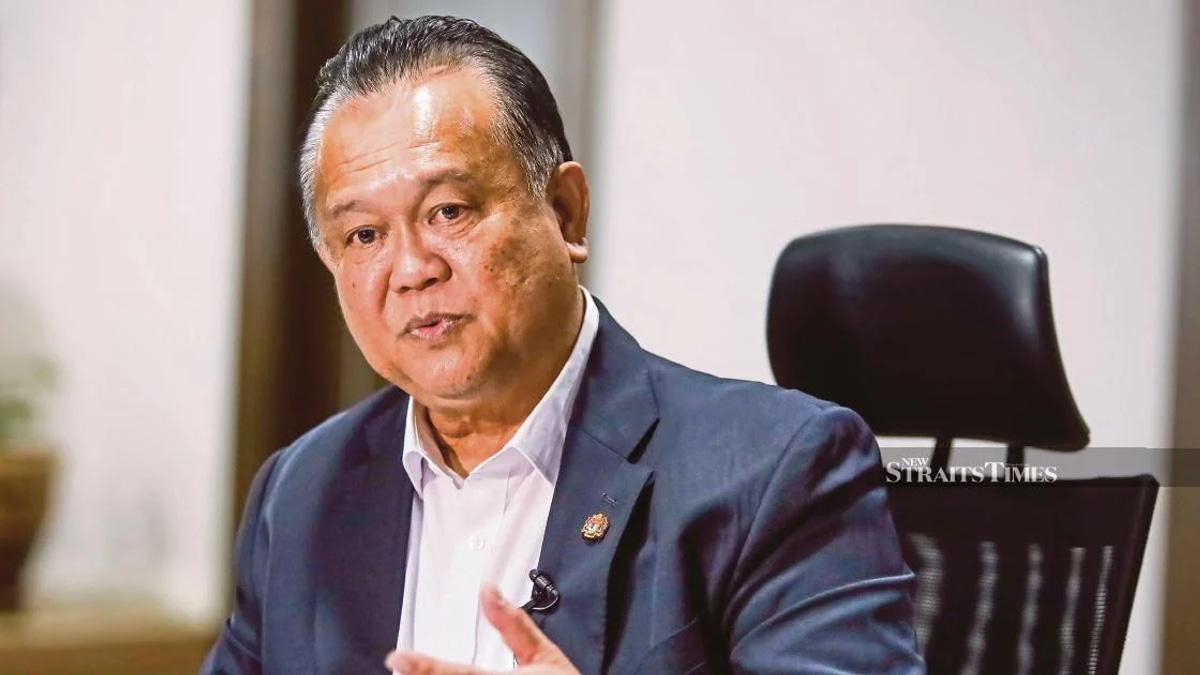
Senior leadership from both Pakatan Harapan and Umno have initiated discussions with the Bersama coalition about potential membership, according to PKR deputy president Rafizi Ramli, in a development that underscores the fluid nature of Malaysian coalition politics ahead of critical electoral contests.
Rafizi's disclosure represents a significant signal about the state of negotiations occurring beneath Malaysia's political surface. The revelation suggests that despite the apparent stability of current governing arrangements, conversations about realigning or restructuring the nation's major political coalitions remain actively underway among top party echelons. Such exploratory contacts typically precede more formal negotiations and indicate that multiple parties are considering how best to position themselves for future electoral opportunities.
The involvement of both Pakatan Harapan and Umno in simultaneous discussions with Bersama raises intriguing questions about Malaysia's medium-term political trajectory. Bersama, which includes parties such as Amanah, PKB, and smaller constituent members, represents a middle ground between the two major coalitions. Interest from both sides in joining Bersama could reflect calculations about coalition viability and electoral mathematics, particularly concerning the evolving dynamics of Malay-Muslim politics and urban-rural voting patterns that have characterised recent elections.
Umno's potential interest in a coalition shift is particularly noteworthy given the party's historical dominance in Malaysian politics. The party has long anchored the Barisan Nasional coalition alongside MCA and MIC, though its relationship with Barisan underwent significant strain following the 1MDB scandal and the 2018 general election. More recently, Umno has navigated complex relationships with Pakatan Harapan when circumstances dictated cooperation, while maintaining its traditional conservative voter base and Malay-Muslim constituency concerns that sometimes diverge from Pakatan's positioning.
For Pakatan Harapan, exploration of coalition possibilities reflects the reality that no single formation has secured an unassailable political majority in recent years. The coalition comprises PKR, DAP, and Amanah, with considerable internal policy differences that sometimes create friction. Packaging these tensions while remaining electorally competitive has required strategic flexibility, and engagement with other coalition possibilities provides leverage in internal party negotiations and allows leadership to explore various mathematical combinations for achieving federal power in future elections.
Bersama's role as a potential coalition destination warrants closer examination. The coalition positions itself as a moderate formation with Islamic credentials through PKB and Amanah while maintaining multiethnic representation through smaller parties. This positioning could theoretically accommodate either Pakatan Harapan or Umno elements or both simultaneously, depending on how membership structures and decision-making arrangements were configured. Such a three-way coalition arrangement would represent an unprecedented configuration in Malaysian politics and would substantially reshape the nation's political competitive space.
The timing of these discussions carries significance. Malaysia faces state elections in several key states over the coming years, and the 2026 federal general election looms as a critical juncture. Coalition arrangements typically solidify in the 12-18 months before major electoral contests as parties seek clarity on electoral prospects and campaign resource allocation. Current exploratory discussions may represent early jockeying as various parties attempt to optimise their positioning ahead of these contests.
For regional observers, Malaysian coalition dynamics merit attention because they reflect broader Southeast Asian patterns in which political formations prove far more fluid than formal institutional structures might suggest. Indonesia's coalition politics, Thai coalition manoeuvres, and Philippine factional arrangements all demonstrate that nominal party strength matters less than the ability to negotiate and form working majorities. Malaysia's own history of coalition transformations—from the original Barisan Nasional dominance through the fractious Pakatan Harapan period to current hybrid arrangements—illustrates this reality.
The potential implications for governance extend beyond electoral mathematics. Different coalition arrangements would likely produce different policy priorities regarding economic management, religious affairs, education, and development spending. Umno's involvement in coalition discussions suggests potential concerns about its current political trajectory and electoral prospects, while Pakatan Harapan's engagement reflects the challenge of maintaining coalition discipline across diverse ideological positions. Bersama's attractiveness lies partly in its ability to bridge these divides through a different organisational structure.
International observers watching Malaysia's political development have frequently noted the country's capacity for managed political transition despite periodic crises. These coalition discussions represent part of that adaptive capacity—various parties exploring options without precipitating immediate institutional collapse. However, such fluidity also creates uncertainty for investors, policymakers, and citizens seeking to understand the durable direction of government policy and institutional development.
Rafizi's decision to disclose these discussions publicly, rather than maintaining traditional confidentiality around coalition negotiations, itself signals changing norms in Malaysian political communication. Greater transparency about coalition talks, even in preliminary stages, reflects both the public's increased appetite for political information and the belief that strategic advantage flows from shaping public perception about coalition possibilities. This approach contrasts with earlier eras when coalition negotiations occurred entirely behind closed doors until formal announcements became necessary.
Moving forward, the success of any realignment would depend on resolving thorny questions about power distribution, parliamentary seat allocations, and policy coordination. Experience from previous coalition formations and dissolutions provides ample evidence that agreeing to general principles of cooperation proves far simpler than negotiating specific arrangements about ministerial portfolios, committee assignments, and legislative priorities. The gap between exploratory discussions and formal coalition membership remains substantial.
%22%2F%3E%3C%2Fpattern%3E%3C%2Fdefs%3E%3Crect%20width%3D%22100%25%22%20height%3D%22100%25%22%20fill%3D%22url(%23phdeuhg)%22%2F%3E%3Crect%20width%3D%22100%25%22%20height%3D%22100%25%22%20fill%3D%22url(%23phdeuhp)%22%2F%3E%3Ctext%20x%3D%2250%25%22%20y%3D%2250%25%22%20text-anchor%3D%22middle%22%20dominant-baseline%3D%22central%22%20fill%3D%22rgba(255%2C255%2C255%2C0.95)%22%20font-family%3D%22Georgia%2C%20'Times%20New%20Roman'%2C%20serif%22%20font-weight%3D%22700%22%20font-size%3D%22272%22%20letter-spacing%3D%22-0.02em%22%3EAmira%3C%2Ftext%3E%3C%2Fsvg%3E)
%22%2F%3E%3C%2Fpattern%3E%3C%2Fdefs%3E%3Crect%20width%3D%22100%25%22%20height%3D%22100%25%22%20fill%3D%22url(%23ph18bgxg)%22%2F%3E%3Crect%20width%3D%22100%25%22%20height%3D%22100%25%22%20fill%3D%22url(%23ph18bgxp)%22%2F%3E%3Ctext%20x%3D%2250%25%22%20y%3D%2250%25%22%20text-anchor%3D%22middle%22%20dominant-baseline%3D%22central%22%20fill%3D%22rgba(255%2C255%2C255%2C0.95)%22%20font-family%3D%22Georgia%2C%20'Times%20New%20Roman'%2C%20serif%22%20font-weight%3D%22700%22%20font-size%3D%22170%22%20letter-spacing%3D%22-0.02em%22%3EMalaysia%3C%2Ftext%3E%3C%2Fsvg%3E)