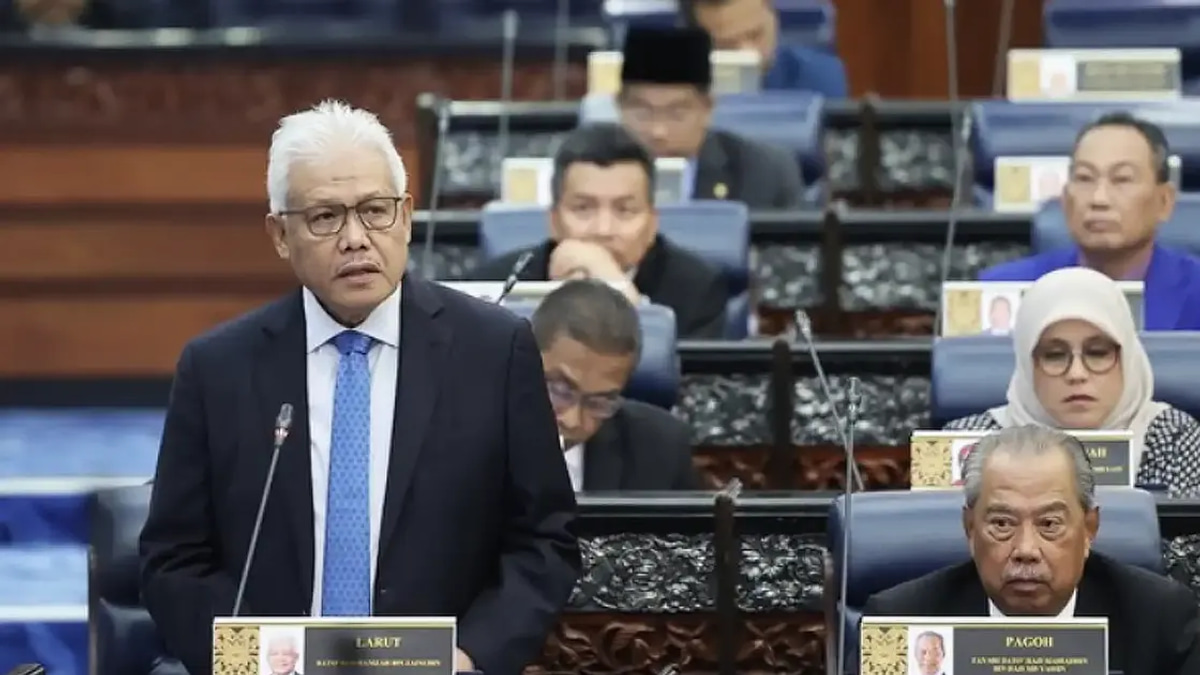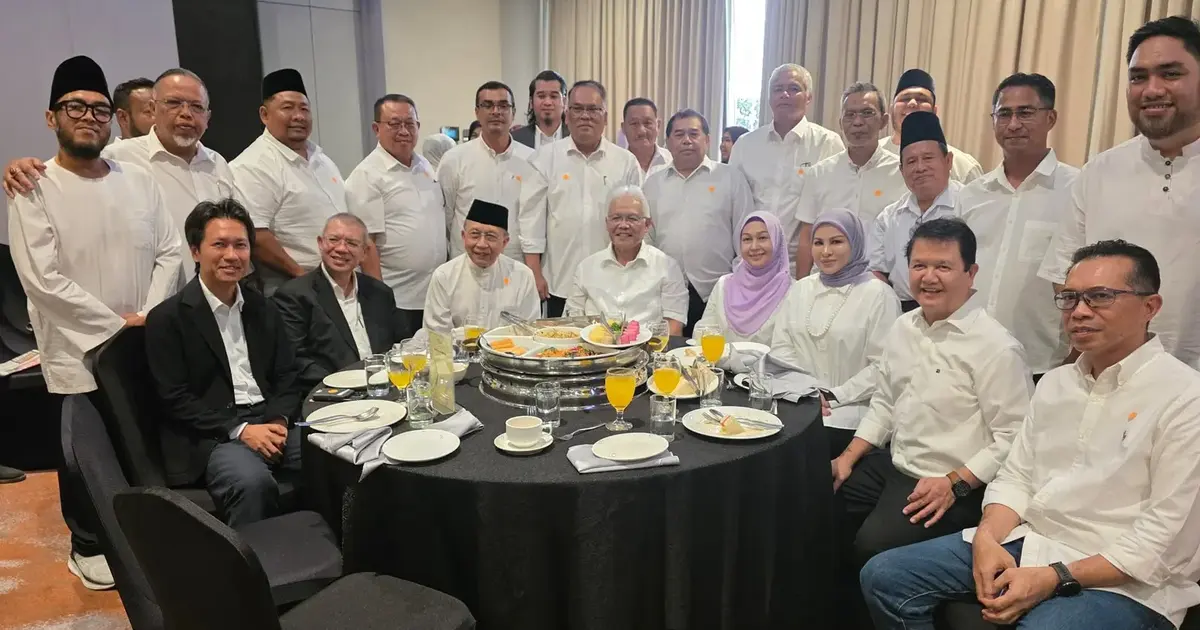
Hamzah's elevation to the presidency of Wawasan marks a pivotal moment for the political movement, bringing fresh momentum to its organisational structure and strategic direction. The appointment signals confidence in his leadership abilities and positions him centrally in shaping the party's trajectory during a period of considerable political flux in Malaysia's multiparty landscape.
Rais Yatim, a distinguished figure with decades of experience in Malaysian politics and multiple stints in ministerial positions, assumes the role of chairman in this reshuffle. His appointment reflects the party's intention to leverage his institutional knowledge and established networks to strengthen Wawasan's organisational framework. Having navigated complex political terrain across numerous administrations, Rais brings gravitas and experience that could prove invaluable as the movement seeks to establish itself more firmly within the broader political ecosystem.
The appointment of Saifuddin Abdullah as secretary-general introduces a representative of parliamentary Malaysia's younger generation into the upper echelons of Wawasan's command structure. As the Member of Parliament for Indera Mahkota, Saifuddin demonstrates the party's commitment to integrating elected representatives directly into its core decision-making machinery. This approach ensures that those engaging daily with constituents and parliamentary processes maintain direct influence over party strategy and operations.
The restructuring of Wawasan's leadership hierarchy reflects broader patterns of political recalibration occurring across Malaysian politics. Movement and regrouping among political actors have become increasingly common as established coalitions face pressure and new configurations emerge. For Malaysian observers accustomed to relatively stable party structures, these shifts underscore the fluid nature of contemporary political alignments and the ongoing search for viable organisational models that can mobilise support effectively.
Wawasan's reconfigured leadership team brings together different generations and political backgrounds, potentially enabling the movement to appeal across demographic divides. While Rais represents institutional continuity and established political credentials, Hamzah and Saifuddin represent newer voices capable of engaging with evolving voter concerns. This intergenerational balance could prove strategically advantageous as Malaysian politics increasingly reflects complex overlaps between traditional party loyalties and issue-based voter preferences.
The implications of this leadership announcement extend beyond Wawasan itself. Political appointments and party restructurings in Malaysia frequently signal broader coalition negotiations and power-sharing arrangements that reshape parliamentary arithmetic. The precise composition of Wawasan's leadership, alongside developments in other parties and movements, contributes to the intricate calculations that determine government formation and legislative outcomes.
Saifuddin Abdullah's simultaneous roles as both elected representative and party secretary-general exemplify the close integration between parliamentary performance and party management that characterises Malaysian political operations. Parliamentarians holding significant party positions can accelerate the translation of party strategy into legislative action, though such dual responsibilities also create potential conflicts between constituency service and party administration demands.
For Southeast Asian observers watching Malaysian politics, Wawasan's leadership appointments illustrate the region's broader pattern of political dynamism and the ongoing evolution of party structures. Unlike some neighbouring democracies with more entrenched party systems, Malaysian politics continues to demonstrate capacity for significant leadership changes and organisational adaptation. These shifts, while sometimes appearing chaotic from outside, often reflect rational responses by political actors to changing electoral and institutional environments.
The appointment occurs within Malaysia's distinctive constitutional framework and its multiethnic political context. Party leadership configurations in Malaysia must navigate complex considerations around representation, coalition mathematics, and the intricate balance between federal and state-level political operations. Wawasan's new leadership structure inevitably reflects these realities as the movement positions itself within Malaysia's crowded political marketplace.
Moving forward, the effectiveness of Hamzah's presidency and his team's combined efforts will likely determine Wawasan's trajectory and its capacity to emerge as a significant political force. The initial months of restructured leadership will prove critical for establishing operational rhythms, clarifying party direction, and building organisational capacity. Political observers within Malaysia and the region will watch closely to assess whether these appointments translate into tangible political gains or constituency building.
The broader significance of such leadership announcements extends to Malaysian democracy's health. Regular leadership transitions, occurring through established organisational procedures rather than external impositions, reinforce internal party democracy principles and demonstrate respect for institutional processes. Wawasan's willingness to undertake significant restructuring suggests confidence in the party's capacity to adapt and persist within competitive Malaysian politics.
These appointments also reflect the reality that Malaysian political movements must continuously recalibrate their approaches to maintain relevance. Electoral dynamics, voter preferences, and broader geopolitical considerations all influence how parties structure themselves and select their leaders. Hamzah, Rais, and Saifuddin's new roles represent calculated decisions about how best to position Wawasan for the challenges and opportunities ahead in Malaysia's evolving political environment.