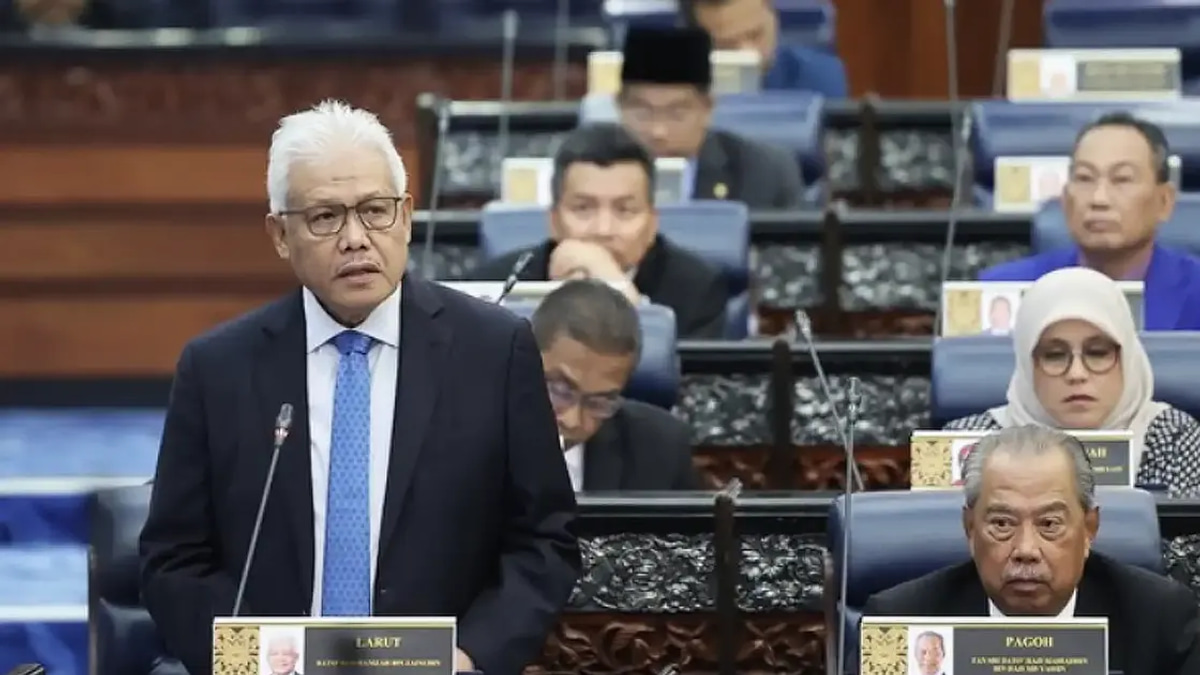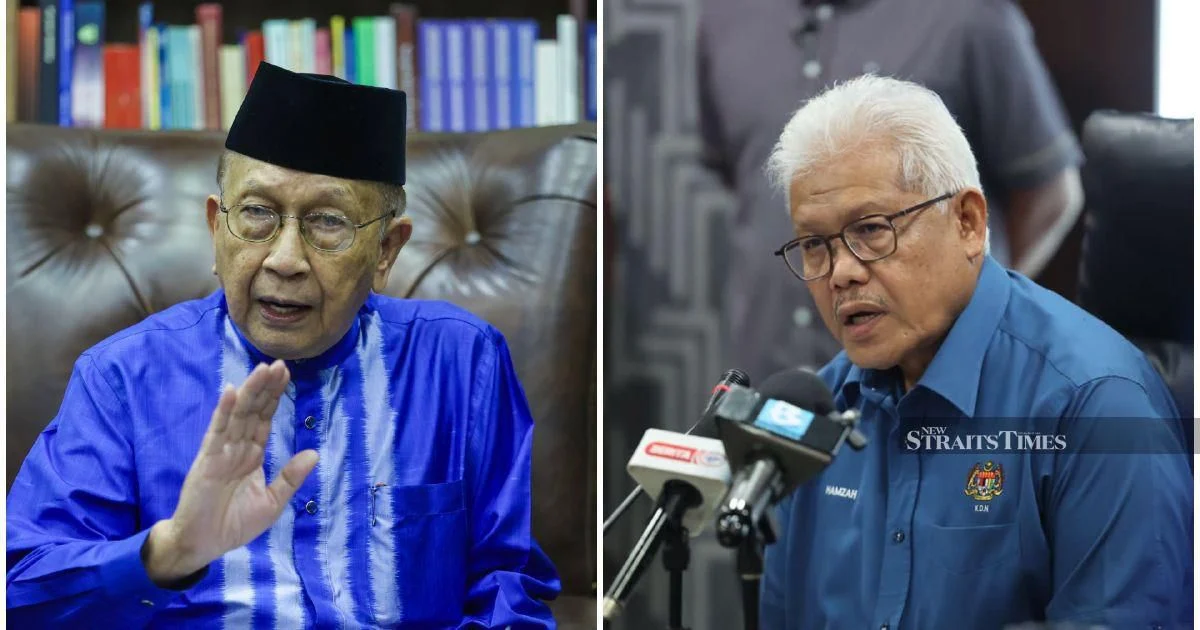
Parti Wawasan Negara has formally unveiled its complete central leadership structure, positioning Hamzah and Rais Yatim at the helm of the party's organizational hierarchy. The announcement marks a significant milestone for the relatively young political outfit, which has been assembling a comprehensive team of seasoned operatives to chart its strategic direction in Malaysia's increasingly competitive political landscape.
The composition of the leadership team reflects a deliberate strategy to draw upon accumulated political experience and institutional knowledge from Malaysia's established political circles. By recruiting former ministers, current and former members of parliament, and professionals with proven track records, Wawasan Negara is attempting to position itself as a credible alternative capable of attracting voters who may be dissatisfied with existing political arrangements. This approach mirrors strategies employed by other newly-formed or restructured parties seeking rapid legitimacy and organizational capacity.
The inclusion of multiple layers of veteran politicians signals that Wawasan Negara intends to compete seriously across different levels of governance and administration. Former ministers bring not only legislative experience but also practical knowledge of how government machinery operates, including relationships with civil servants and institutional protocols. Such individuals can expedite a party's ability to formulate coherent policy positions and respond quickly to national debates, advantages that newer parties typically lack.
The presence of sitting and former parliamentarians within the leadership structure provides the party with direct access to networks built through years of constituency work and legislative activities. These individuals understand electoral dynamics in their respective areas and can mobilize grassroots support more effectively than newcomers to politics. Their involvement also signals confidence from established political actors in Wawasan Negara's viability as a political home.
Wawasan Negara's decision to include professionals alongside career politicians reflects contemporary trends in Malaysian politics, where technical expertise and cross-sectoral credibility increasingly matter to voters. Professionals bring specialized knowledge in areas such as finance, economics, technology, and administration that can strengthen the party's policy development capacity and appeal to urban, educated demographics who may prioritize competence and professional credentials over traditional political patronage networks.
The timing of this leadership announcement comes as Malaysian politics continues to experience significant realignment. The fragmentation of traditional party structures, shifting voter preferences, and the emergence of new political formations have created space for parties that can articulate distinct visions for Malaysia's future. Wawasan Negara's leadership composition suggests the party is positioning itself to appeal across different voter segments by combining seasoned political operators with fresh professional perspectives.
For Southeast Asian observers, the emergence of Wawasan Negara and similar formations reflects broader regional patterns of political flux where established parties face challenges from new entrants and voters increasingly demand performance-based rather than identity-based political choices. The success or failure of Wawasan Negara in translating its leadership strength into electoral support will offer insights into whether Malaysian voters prioritize organizational pedigree and professional credentials over historical party affiliations.
The full leadership line-up demonstrates that Wawasan Negara has invested significantly in organizational development before making major electoral pushes. This measured approach contrasts with some political ventures that contest elections without adequate internal structures. The party's emphasis on comprehensive leadership layers suggests planning for sustained operations across multiple electoral cycles rather than attempting quick electoral gains followed by organizational collapse.
The leadership structure also carries implications for Malaysian coalition politics. Should Wawasan Negara gain electoral traction, its membership composition—particularly its former ministers and MPs—could become significant bargaining chips in future government-formation negotiations. This makes the party's current leadership moves strategically important for understanding potential power dynamics in post-election scenarios, where coalition-building often determines which groups occupy ministerial positions.
Moving forward, Wawasan Negara faces the challenge of converting organizational strength and leadership credentials into tangible political support. Leadership competence does not automatically translate to electoral success; the party must articulate compelling policy positions, build effective campaign machinery, and connect with voters on issues they care about. The interaction between its experienced leadership and its ability to build genuine grassroots momentum will determine whether Wawasan Negara becomes a lasting force in Malaysian politics or remains a temporary phenomenon in the country's ongoing political realignment.