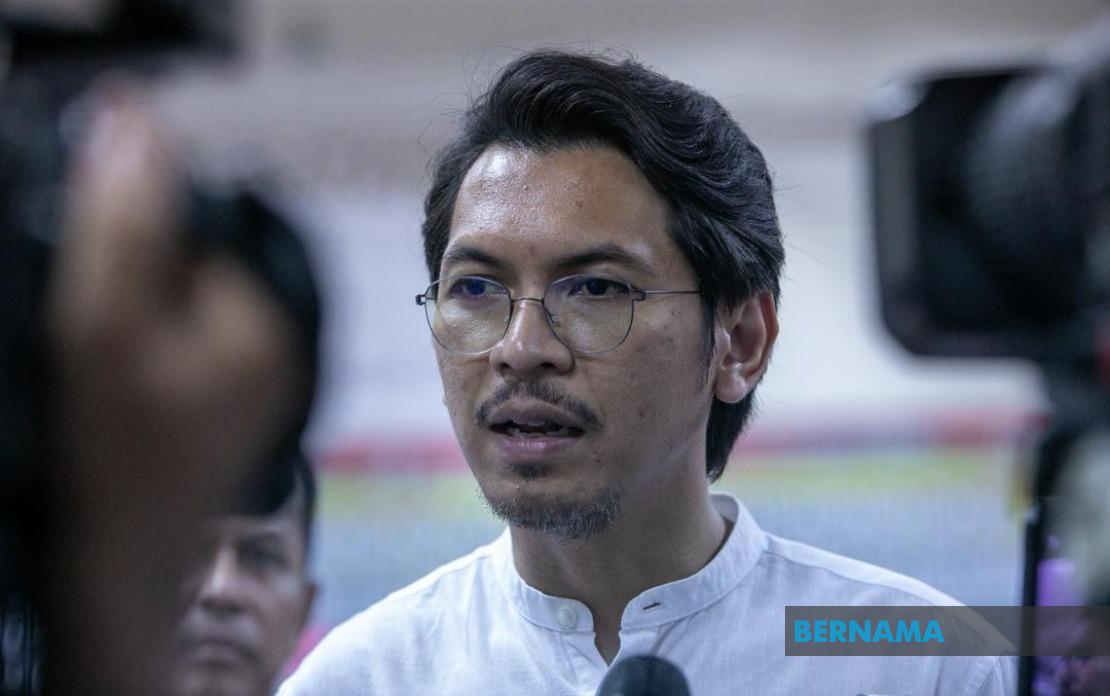
A memorandum of understanding between the United States and Iran aimed at resolving their regional conflict carries promising implications for oil price stability, according to Muhammad Kamil Abdul Munim, the Political Secretary to Malaysia's Finance Minister. Speaking at an event in Kuala Kangsar, he outlined the potential benefits while tempering expectations about how quickly markets might recover from the disruptions that have affected the global energy sector throughout the ongoing crisis.
The strains placed on international oil supply chains have cascaded across multiple dimensions of the logistics ecosystem. Beyond the headline price movements in crude markets, carriers, insurers, and freight operators have absorbed substantial additional costs as they navigated the volatile geopolitical environment. These elevated expenses will not simply evaporate once a ceasefire or agreement takes effect. Instead, they represent a structural lag in the recovery process that policymakers must account for when assessing the timeline for normalisation. For Malaysia, a nation whose economy depends significantly on energy security and stable input costs, this distinction between immediate price relief and genuine market stabilisation carries substantial weight.
The Strait of Hormuz, through which approximately one-third of globally traded oil passes, has emerged as the focal point of regional tensions. The reopening of this critical shipping corridor and the restoration of regular passage for merchant vessels would represent a watershed moment for energy security across Asia and beyond. Malaysia, positioned as a regional trading hub with significant exposure to energy price fluctuations, stands to benefit considerably from the restoration of normal maritime commerce through this strategic waterway. Prime Minister Datuk Seri Anwar Ibrahim has already expressed optimism about the diplomatic trajectory, noting that the preliminary MoU creates a pathway toward broader regional stability, though the two parties have set a 60-day window for finalising a comprehensive agreement.
Muhammad Kamil emphasised that the government recognises the political reality of price stability: it cannot be achieved instantaneously. The recovery process must accommodate the elevated insurance premiums, heightened transportation costs, and logistical inefficiencies that have accumulated during the period of heightened uncertainty and restricted shipping lanes. These structural costs will gradually normalise, but that normalisation will occur on a timeline measured in quarters rather than weeks. Understanding this distinction is critical for policymakers contemplating inflation management and fiscal planning during the transition period.
In the interim, Malaysia has already implemented several protective measures to shield its population from the worst effects of global oil price volatility. Most notably, the government has sustained the subsidised price of RON95 petrol at RM1.99 per litre, a policy stance that contrasts sharply with the pricing approaches adopted by numerous other nations. This commitment represents a deliberate fiscal choice to protect household purchasing power and contain inflationary pressures even as global energy markets experience disruption. Muhammad Kamil signalled that the government intends to maintain this protective posture through the Economic Action Council, which will periodically evaluate whether current subsidies remain appropriate given evolving market conditions.
The BUDI MADANI initiative, which provides targeted petrol assistance through a quota mechanism, currently permits eligible beneficiaries to purchase 200 litres of RON95 fuel monthly at the subsidised rate. Muhammad Kamil indicated that officials are conducting a comprehensive reassessment of this programme's effectiveness and appropriateness. The government's approach reflects pragmatism: rather than making blanket adjustments based on assumptions about global oil market trajectories, decision-makers are gathering data and monitoring actual conditions before determining whether quotas should expand, contract, or remain static. This evidence-based approach acknowledges that oil markets remain inherently unpredictable and that premature policy shifts could prove counterproductive.
Beyond the immediate energy dimension, the diplomatic framework underlying potential US-Iran negotiations carries implications for broader Malaysian strategic positioning. Prime Minister Anwar's planned official visit to Russia represents a complementary initiative aimed at diversifying Malaysia's economic and diplomatic relationships. In the energy sector specifically, Russia possesses substantial oil and natural gas reserves alongside sophisticated extraction and processing capabilities. For a mid-sized trading nation seeking to reduce its dependence on any single supply source or geopolitical sphere of influence, cultivating strategic partnerships with energy-producing nations becomes essential infrastructure for long-term economic resilience.
Muhammad Kamil articulated the strategic rationale with clarity: Malaysia, as a relatively small trading economy, must actively pursue every available avenue for economic cooperation and resource diversification. Russia's economic scale and resource wealth position it as a natural partner for exploration of bilateral opportunities in trade, energy, and diplomatic coordination. The calculus reflects a distinctly Malaysian perspective on global economic pluralism—the recognition that prosperity depends on maintaining productive relationships across multiple geopolitical contexts rather than concentrating risk within a single framework.
The four-to-six-month window that Muhammad Kamil identified as the critical recovery period aligns with realistic expectations about how long global supply chain normalisation typically requires. During this interval, the government plans to monitor conditions continuously through the Economic Action Council and adjust policy levers as necessary to prevent ordinary households and businesses from bearing disproportionate adjustment costs. This forward-looking stance acknowledges that the transition from crisis to stability will generate winners and losers; policy intervention during this period aims to distribute transition costs more equitably across society.
The confluence of diplomatic developments—the US-Iran MoU negotiations, Malaysia's strategic engagement with Russia, and domestic subsidy and assistance programmes—reflects a coordinated approach to managing energy security and economic stability during a period of significant global uncertainty. The ultimate success of these initiatives will depend partly on factors beyond Malaysian control, including whether Washington and Tehran actually reach a final agreement within the stipulated 60-day period and whether international oil markets respond to diplomatic progress as expected. Nevertheless, the policy framework that Muhammad Kamil outlined demonstrates how mid-sized nations can employ fiscal measures, diplomatic diversification, and strategic partnerships to navigate commodity price volatility and geopolitical disruption.

