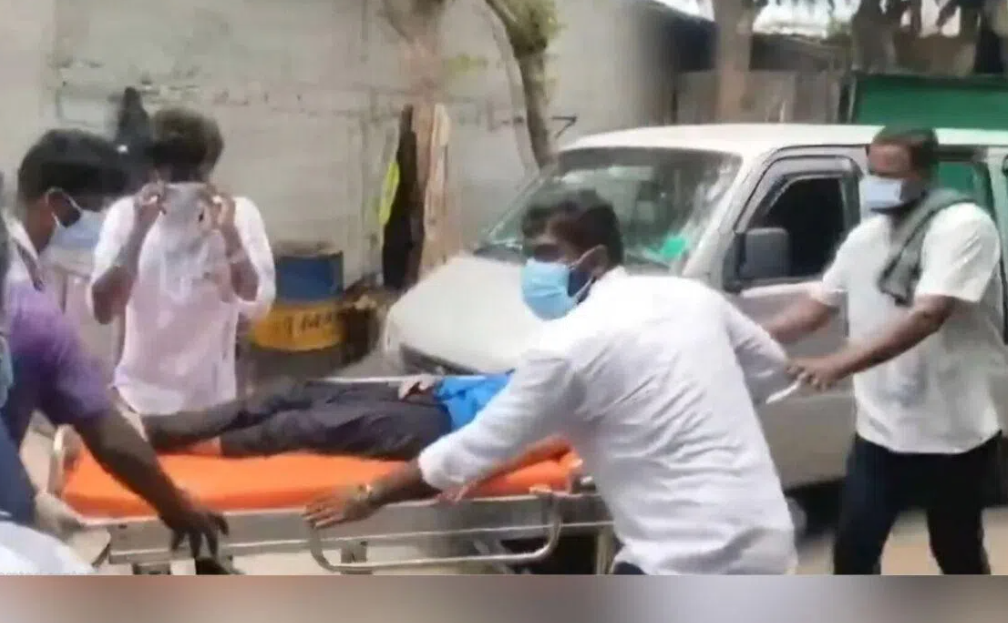
A catastrophic industrial accident unfolded at a seafood processing facility in Tamil Nadu's Thiruvallur district on Sunday when a suspected ammonia leak killed at least six workers and sent dozens more to hospital. The incident has reignited concerns about workplace safety standards in India's export-oriented food processing sector and the vulnerability of migrant workers employed in such facilities.
The tragedy struck at the seafood export processing unit situated near Periyapalayam village, where approximately 120 migrant workers were present when the leak occurred. The workforce comprised predominantly women from Assam, Odisha and Jharkhand—states that supply significant numbers of migrant labourers to processing facilities across southern India. The workers faced sudden exposure to the noxious gas with minimal warning, transforming an ordinary work shift into a medical emergency that would ultimately claim multiple lives.
Investigators have pointed to the refrigeration or processing system as the probable source of the ammonia escape. Once released, the toxic gas rapidly dispersed throughout sections of the facility, exposing workers to dangerously high concentrations. Ammonia, commonly used in industrial cooling systems, is a severe respiratory irritant that causes immediate physiological reactions upon inhalation. The speed at which the gas spread prevented orderly evacuation and left many workers trapped in contaminated areas.
Those caught in the gas's path experienced acute medical symptoms indicating severe exposure. Workers reported intense breathing difficulties and dizziness as initial warning signs, followed by irritation of the respiratory tract and mucous membranes. Several victims exhibited nasal and oral bleeding, a sign of the chemical's corrosive impact on delicate tissue and the severity of their exposure. The symptoms progressed rapidly, overwhelming workers' natural instincts to seek safety and creating conditions of panic across the workplace.
The scene at the facility descended into chaos as workers attempted to flee the contaminated area. Those who could move rushed toward exits and open air, while others succumbed to the gas's effects and collapsed within the facility. The combination of panic, physical incapacity and the rapid spread of the toxic atmosphere created a rescue challenge that local emergency responders had to navigate. First responders arrived to find workers in various states of distress, ranging from ambulatory but symptomatic to unconscious and requiring immediate medical intervention.
Emergency response teams, police units and local administration mobilised quickly to manage the crisis. Rescue personnel evacuated affected workers and transported them to nearby hospitals where medical teams assessed their condition and initiated treatment protocols. Several victims were classified as critical upon arrival, facing an uncertain prognosis as medical staff worked to address the systemic damage caused by ammonia inhalation. The hospitalisation of dozens of workers placed significant strain on local healthcare capacity and drew continued public and official attention to the incident throughout the day.
Chief Minister C. Joseph Vijay acknowledged the severity of the incident and moved swiftly to ensure affected workers received comprehensive medical support. Beyond immediate care, he established a three-member inquiry committee tasked with investigating the circumstances that permitted the disaster to occur. The panel was instructed to conduct thorough inspections of the facility and submit detailed findings within 24 hours—an aggressive timeline intended to produce timely accountability and inform immediate safety measures.
The inquiry committee's remit extends beyond identifying the specific cause of the leak. Investigators will scrutinise the facility's safety protocols and maintenance procedures to determine whether documented systems existed and were properly implemented. The examination will also assess whether the facility operated in compliance with industrial safety regulations, potentially uncovering structural vulnerabilities in how safety requirements are enforced in this sector. Such investigations frequently reveal chronic underinvestment in safety infrastructure and inadequate worker training as contributing factors.
The incident exposes broader vulnerabilities in India's food processing export sector, particularly regarding protections afforded to migrant workers. Many such facilities operate in competitive markets where cost-cutting measures sometimes compromise safety investments. Migrant workers, often distant from their home states and unfamiliar with local support systems, occupy a precarious employment position that can discourage them from reporting hazards or demanding compliance with safety standards. This power imbalance creates conditions where preventable disasters become possible.
Southeast Asian nations with developing food export industries should regard this incident as a cautionary example. As processing facilities expand and competition intensifies, the temptation to defer maintenance, skip safety upgrades or rely on cost-cutting shortcuts becomes pronounced. Malaysia, Thailand and Vietnam, all significant seafood exporters with substantial migrant workforces, should examine whether their regulatory frameworks and enforcement mechanisms provide sufficient protection against similar industrial accidents.
Police have registered a formal case and launched criminal investigations alongside the administrative inquiry. Authorities are examining potential violations of industrial safety regulations and determining whether negligence or inadequate oversight contributed to the disaster. The parallel investigations signal an intent to assign responsibility and potentially pursue legal accountability, though such processes often move slowly and face challenges in establishing causation.
The incident underscores the human cost embedded in global food supply chains. Each worker exposed to the toxic gas had families depending on their wages and wellbeing. The deaths and injuries ripple outward, affecting entire households and communities dependent on remittances from migrant employment. As food export industries continue expanding across Asia, the balance between productivity and worker protection remains insufficiently weighted toward human safety, and incidents like this serve as stark reminders of the stakes involved.
%22%2F%3E%3C%2Fpattern%3E%3C%2Fdefs%3E%3Crect%20width%3D%22100%25%22%20height%3D%22100%25%22%20fill%3D%22url(%23ph5v20tg)%22%2F%3E%3Crect%20width%3D%22100%25%22%20height%3D%22100%25%22%20fill%3D%22url(%23ph5v20tp)%22%2F%3E%3Ctext%20x%3D%2250%25%22%20y%3D%2250%25%22%20text-anchor%3D%22middle%22%20dominant-baseline%3D%22central%22%20fill%3D%22rgba(255%2C255%2C255%2C0.95)%22%20font-family%3D%22Georgia%2C%20'Times%20New%20Roman'%2C%20serif%22%20font-weight%3D%22700%22%20font-size%3D%22170%22%20letter-spacing%3D%22-0.02em%22%3EMalaysia%3C%2Ftext%3E%3C%2Fsvg%3E)