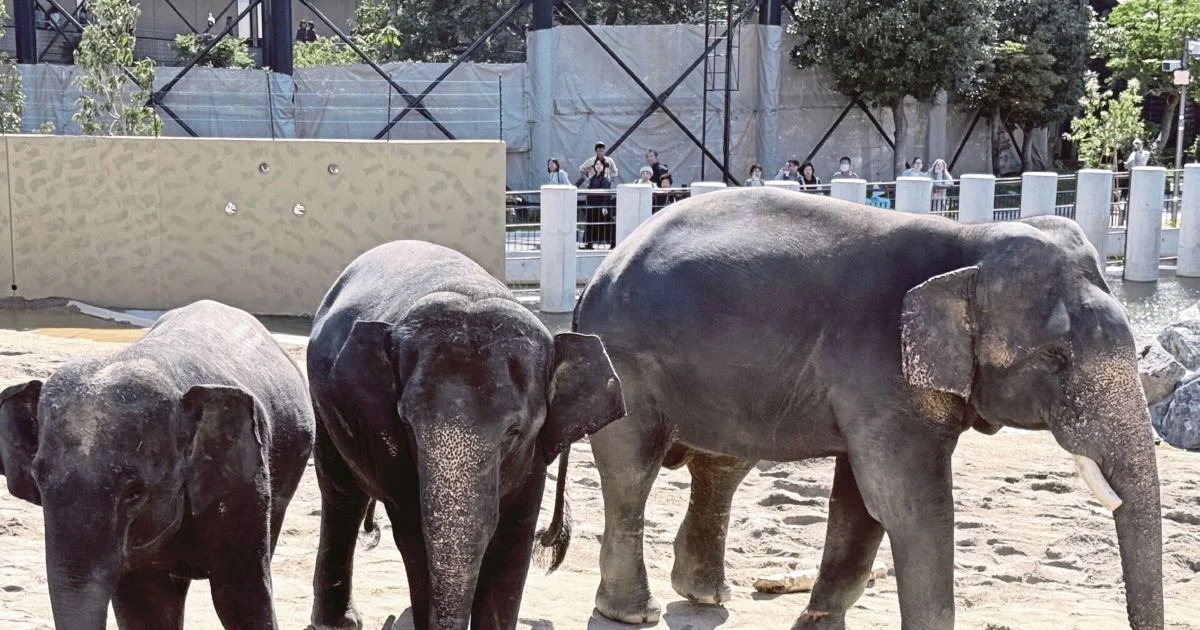
The Malaysian Anti-Corruption Commission has begun a formal investigation into the relocation of three Asian elephants from Zoo Taiping to Tennoji Zoo in Osaka, Japan, signalling heightened scrutiny over international wildlife transfer agreements and their governance structures. The inquiry, initiated in response to questions surrounding the handling of the transaction, marks a significant intervention by the anti-corruption body into matters typically managed within the wildlife and zoo management sector.
Zoo Taiping, located in Perak and one of Malaysia's oldest and most established zoological institutions, has been at the centre of this probe following the controversial movement of the three elephants. The transfer to Tennoji Zoo, one of Japan's prominent zoo facilities, occurred against a backdrop of public discourse regarding animal welfare standards, proper documentation procedures, and adherence to international wildlife transfer protocols. The decision to investigate suggests that authorities identified potential irregularities in how the relocation was authorised and executed.
The involvement of the MACC indicates concerns extending beyond routine zoo management into broader questions of administrative propriety and potential misconduct. Such investigations typically examine whether established procedures were bypassed, whether approvals were obtained from appropriate authorities, and whether financial arrangements met regulatory standards. The probe underscores growing attention to institutional accountability within Malaysia's public sector organisations, including those operating recreational and wildlife facilities.
International animal transfers require careful coordination with multiple regulatory bodies, including wildlife authorities, veterinary services, and international organisations overseeing species protection. The movement of elephants, classified as endangered species in various international frameworks, involves specific documentation requirements and welfare assessments. Questions about the Zoo Taiping transfer appear to centre on whether these requisite steps were properly executed and transparently managed through official channels.
Zoo Taiping's historical significance to Perak and Malaysia adds another dimension to public interest in the investigation. The facility has served as an educational institution and tourist attraction for generations of Malaysians, making decisions affecting its animal collection matters of broad concern. The relocation of three prominent elephants would naturally attract attention from stakeholders including the local community, conservation advocates, and animal welfare organisations monitoring the institution's practices.
The Tennoji Zoo connection brings an international aspect to what might otherwise be considered a domestic administrative matter. Zoo partnerships between countries can provide valuable opportunities for species conservation, collaborative research, and genetic diversity management among captive populations. However, such arrangements must operate within transparent frameworks that respect both nations' regulatory requirements and international conservation protocols. The MACC investigation suggests questions arose about whether bilateral coordination met necessary standards.
Public perception of animal welfare in Malaysian zoos has evolved considerably in recent years, with increased scrutiny of management practices and animal care standards. The transfer of such high-profile animals as elephants inevitably draws attention from conservation enthusiasts and welfare advocates who scrutinise decision-making processes. An anti-corruption investigation into the transfer's authorisation responds partly to this heightened public consciousness about institutional transparency and proper governance.
The MACC's decision to investigate carries implications for how other Malaysian public institutions manage significant assets and undertake major operational decisions. The inquiry suggests that transactions involving substantial entities—whether animal collections, equipment, or resources—warrant examination to ensure they proceed through appropriate authorisation channels with proper documentation and oversight. This approach strengthens broader institutional accountability frameworks across the public sector.
For Zoo Taiping specifically, the investigation represents a challenge to institutional reputation and operational credibility. Zoo management requires public trust, particularly given the institution's educational mission and responsibility for animal welfare. The investigation's outcome will likely influence how the facility approaches future major decisions and animal management protocols, with potential implications for its relationship with oversight authorities and public stakeholders.
The broader context includes Malaysia's international commitments to wildlife conservation and species protection. As a signatory to various international agreements governing endangered species and animal welfare, Malaysia maintains obligations to ensure that transfers of protected animals comply with established protocols. The MACC probe indirectly examines whether Zoo Taiping and relevant authorities discharged these international responsibilities adequately.
This investigation also reflects evolving expectations regarding animal institutions in Malaysia. Modern zoo facilities worldwide face pressure to demonstrate adherence to international welfare standards and transparent governance. Malaysian institutions, including Zoo Taiping, operate within this global context where operational decisions face increased external scrutiny and require justification through documented, accountable processes.
%22%2F%3E%3C%2Fpattern%3E%3C%2Fdefs%3E%3Crect%20width%3D%22100%25%22%20height%3D%22100%25%22%20fill%3D%22url(%23pht1b2g)%22%2F%3E%3Crect%20width%3D%22100%25%22%20height%3D%22100%25%22%20fill%3D%22url(%23pht1b2p)%22%2F%3E%3Ctext%20x%3D%2250%25%22%20y%3D%2250%25%22%20text-anchor%3D%22middle%22%20dominant-baseline%3D%22central%22%20fill%3D%22rgba(255%2C255%2C255%2C0.95)%22%20font-family%3D%22Georgia%2C%20'Times%20New%20Roman'%2C%20serif%22%20font-weight%3D%22700%22%20font-size%3D%22136%22%20letter-spacing%3D%22-0.02em%22%3EBangladesh%3C%2Ftext%3E%3C%2Fsvg%3E)