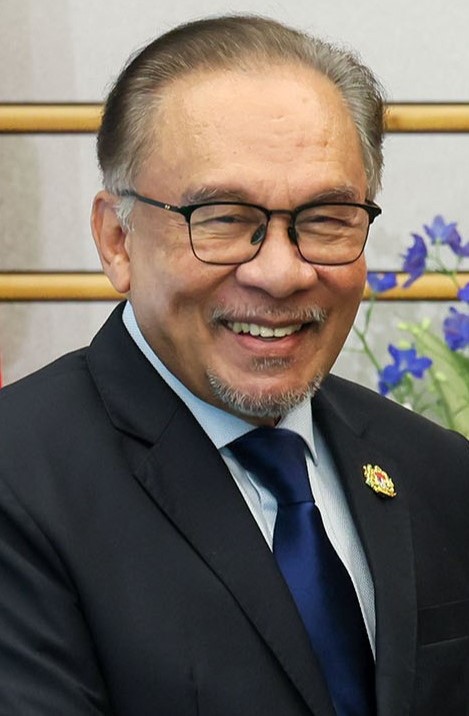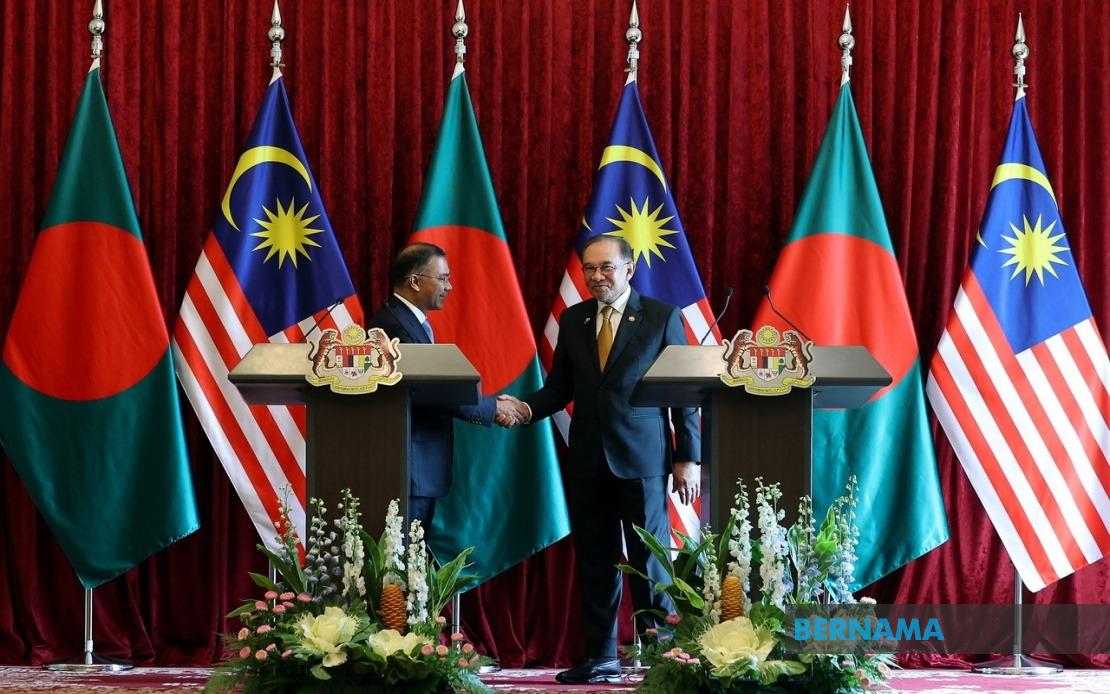
Malaysia and Bangladesh have committed themselves to eliminating the exploitation and mistreatment of migrant workers, marking a significant diplomatic moment on labour rights in the region. Prime Minister Datuk Seri Anwar Ibrahim articulated this position during a bilateral meeting with his Bangladesh counterpart Prime Minister Tarique Rahman in Putrajaya on June 22, emphasising that both nations must implement stricter safeguards and more transparent hiring mechanisms to shield workers from abuse.
Anwar acknowledged the paradox facing Malaysia's development model: foreign labour has become essential to sustaining economic expansion, yet this dependence has created fertile ground for widespread malpractice and humanitarian violations. The Prime Minister's candid recognition of this tension reflects growing international scrutiny of labour conditions across Southeast Asia, where recruitment scandals have repeatedly tarnished the region's reputation and drawn criticism from human rights organisations and developed nations alike.
The joint commitment represents more than ceremonial diplomacy. Both leaders framed the protection of migrant workers and their families as a moral imperative tied directly to national credibility. Anwar stressed that Malaysia and Bangladesh must take leadership on this issue, establishing new standards that prioritise transparency and fairness across all stages of the recruitment pipeline. This language suggests both governments recognise that uncontrolled exploitation poses reputational risks and could eventually trigger trade sanctions or diplomatic consequences if left unaddressed.
Bangladeshi workers constitute one of the largest migrant populations in Malaysia, with hundreds of thousands employed in construction, manufacturing, agriculture, and domestic services. Bangladesh, as a major labour-exporting nation, has a vested interest in ensuring its citizens are treated fairly abroad and that remittances flow back with minimal deduction. The bilateral discussions therefore serve Bangladesh's economic interests while also reflecting genuine concerns about conditions its nationals face in Malaysian workplaces.
During the press conference, Bangladesh Prime Minister Tarique Rahman pressed Malaysia to expand its recruitment of Bangladeshi workers and move towards reopening the labour market more broadly. This request underscores the tension between managing labour inflows responsibly and maintaining the economic momentum both nations require. Bangladesh's insistence on market access suggests that while committed to worker protection, the country prioritises employment opportunities for its large workforce. The timing of this request—alongside pledges on welfare protection—indicates negotiations are ongoing to balance recruitment volume with quality-of-life guarantees.
The conversation also touched on systemic failures in Malaysia's current recruitment framework. Transparency deficits have allowed unscrupulous agents to profit by charging excessive fees, confiscating passports, and facilitating wage theft and contract manipulation. Both governments appear willing to examine these mechanisms and potentially establish joint protocols for vetting recruitment agencies and monitoring workplace conditions. Such measures could include regular inspections, worker hotlines, and penalties for employers and intermediaries found violating agreements.
For Malaysia, this commitment carries particular weight given persistent allegations of forced labour and human trafficking in its supply chains. International bodies monitoring forced labour have repeatedly flagged concerns about conditions in palm oil plantations, shipyards, and domestic work. By aligning publicly with Bangladesh on these standards, Malaysia signals responsiveness to international pressure while attempting to rehabilitate its image as a responsible employer of foreign labour. Such gestures, if backed by concrete enforcement, could help protect Malaysia from potential trade restrictions or consumer boycotts targeting products linked to labour abuses.
The broader regional context matters significantly. Thailand, Singapore, and other Southeast Asian nations employing migrant workers face similar pressures to enhance protections. Malaysia's bilateral framework with Bangladesh could serve as a template for other labour-source countries in South Asia and beyond, establishing precedent for bilateral labour agreements centred on dignity rather than purely extractive arrangements. However, any framework's effectiveness hinges on genuine implementation and independent monitoring, areas where Southeast Asia has historically struggled.
Financial implications for workers are substantial. Migrant workers from Bangladesh often face deductions ranging from 10 to 30 percent of wages through recruitment fees, deposits, and irregular charges. Transparent systems negotiated bilaterally could reduce these leakages, allowing more remittances to reach families. For Bangladesh's economy, improved remittance flows would provide crucial foreign exchange and poverty alleviation. For Malaysian employers, transparent recruitment and fair wages reduce turnover and boost productivity—rendering worker protections economically rational rather than merely altruistic.
The announcement reflects evolving international norms on labour migration. Unlike previous decades when receiving countries treated migrant workers as disposable commodities, contemporary diplomacy increasingly incorporates worker welfare into bilateral agendas. This shift stems from advocacy campaigns, media coverage of abuse cases, and economic pressure from developed-nation consumers and governments demanding ethical supply chains. Malaysia and Bangladesh appear responsive to these currents, though implementation will determine whether this agreement constitutes genuine reform or rhetorical posturing.
Going forward, both nations must establish independent oversight mechanisms and reporting channels accessible to workers without fear of retaliation. They should also coordinate with other labour-source countries to prevent competitive undercutting of standards. Regular reviews and transparent data on enforcement outcomes will signal serious commitment. For Malaysia particularly, this represents an opportunity to demonstrate that economic growth need not necessitate worker vulnerability, positioning the country as a regional leader in responsible migration practices.