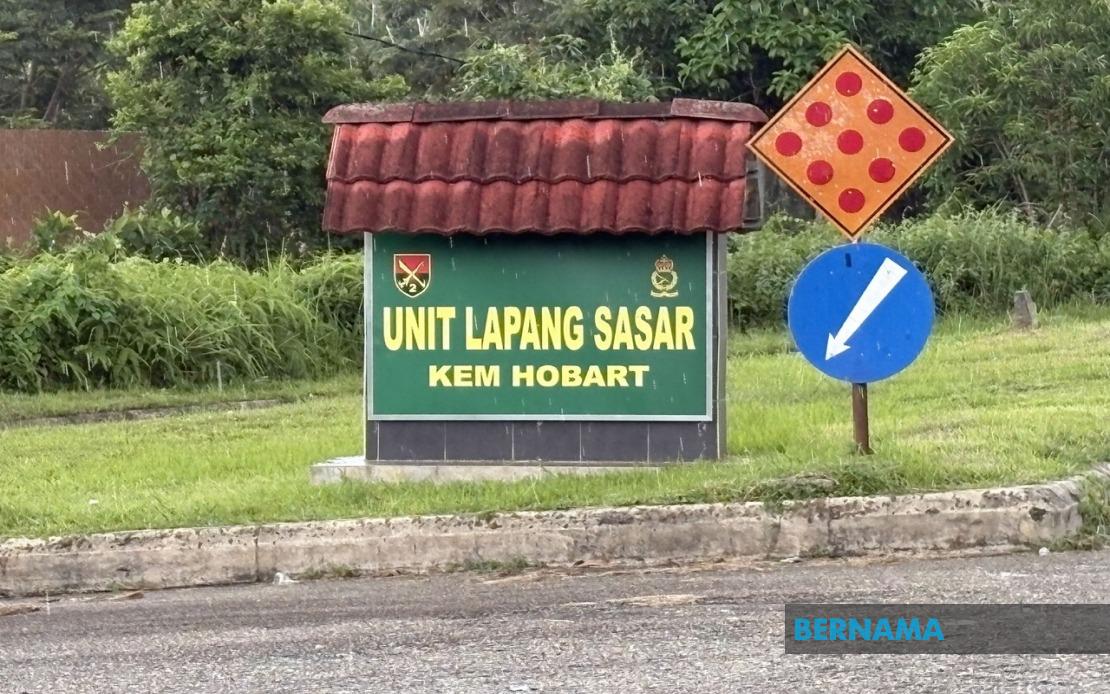
A fatal training accident at Hobart Camp in Gurun claimed the lives of two Malaysian Army personnel on June 16, prompting authorities to launch a comprehensive investigation into the circumstances surrounding the blast. The incident occurred during a grenade-throwing exercise conducted as part of the Combat Enhancement Training programme, casting a sobering light on the inherent risks involved in military weapons instruction despite stringent safety protocols.
Kuala Muda police chief ACP Hanyan Ramlan confirmed that investigators have opened a sudden death report to examine the explosion and its contributing factors. The police department is adopting a methodical approach to the inquiry, emphasising the need to gather comprehensive accounts from everyone present at the training site when the explosion took place. This multi-layered investigative strategy reflects the complexity of reconstructing the sequence of events leading to the tragedy and identifying any procedural or equipment-related failures.
The two victims, Corporal Norazmi Abu Bakar from the Sixth Battalion of the Royal Malay Regiment and Private Siti Khadijah Sungip from the First Squadron of the Royal Malaysian Engineers Regiment, sustained severe injuries from the blast and were transported to the Sultan Abdul Halim Hospital. Despite emergency medical intervention, both personnel were pronounced dead en route, underscoring the catastrophic nature of the explosion. Their remains have since been transferred to Sultanah Bahiyah Hospital in Alor Setar for post-mortem examination, a crucial step in establishing the precise cause of death and informing the police investigation.
The Malaysian Army's statement acknowledged that the incident occurred at approximately 10:57 am during a heavy weapons training exercise under the First Squadron, Royal Malaysian Engineers Regiment. The grenade-throwing exercise is a standard component of combat readiness training, designed to ensure personnel develop proficiency in handling and deploying explosive devices. The fact that the accident transpired during a routine training activity highlights the unpredictable nature of military operations, where even well-rehearsed procedures can occasionally result in tragedy.
Police efforts to reconstruct the incident will hinge significantly on detailed testimonies from military personnel who were stationed at the training ground during the exercise. Witness accounts will help investigators determine whether the explosion resulted from improper handling of the grenade, a defect in the device itself, timing miscalculations, environmental factors, or procedural deviations. The cooperation of the Malaysian Army in providing access to all participants and relevant training documentation will be essential to the inquiry's success.
For Malaysian defence circles and military families, this incident raises important questions about training safety standards and risk management protocols within the armed forces. While military exercises by their nature involve inherent hazards, ensuring that risks are minimised through rigorous adherence to safety procedures, regular equipment inspection, and proper personnel training remains paramount. The investigation's findings will likely influence future assessments of how combat training programmes are conducted and what additional safeguards might be warranted.
The tragedy also resonates more broadly across Southeast Asia, where military training operations across the region's armed forces employ similar methodologies and equipment. Neighbouring countries will likely monitor the findings from Malaysia's investigation, as lessons learned from such incidents frequently inform adjustments to training protocols throughout the region's defence establishments. International military cooperation bodies often share best practices and safety recommendations following serious training accidents.
From a personnel and morale perspective, this incident will weigh heavily on the Malaysian Army's engineering regiment and the broader military community. Both victims were actively engaged in professional development through combat training, underscoring how tragedy can strike during routine operational activities. Military leadership will need to carefully balance maintaining training standards and operational readiness with addressing the psychological impact on personnel who may have witnessed the explosion or trained alongside the deceased.
The investigation's timeline remains unclear, but police have indicated that gathering comprehensive witness statements will take priority. Forensic analysis of the blast site, examination of any remaining grenade components, and medical findings from post-mortem examinations will collectively contribute to a detailed understanding of what transpired. Beyond establishing facts, the inquiry may yield recommendations for enhanced safety measures or procedural modifications that could prevent similar incidents in future training exercises.
As the investigation unfolds, transparency in communicating findings to the military community and the public will be important for maintaining confidence in the armed forces' commitment to personnel safety. The Malaysian Army will likely conduct its own internal review parallel to the police investigation, potentially introducing additional safety protocols or training adjustments based on preliminary findings. For families of the deceased personnel, the thorough investigation provides an avenue for understanding the circumstances surrounding their loved ones' deaths and may offer some measure of closure as authorities work to prevent future tragedies.

