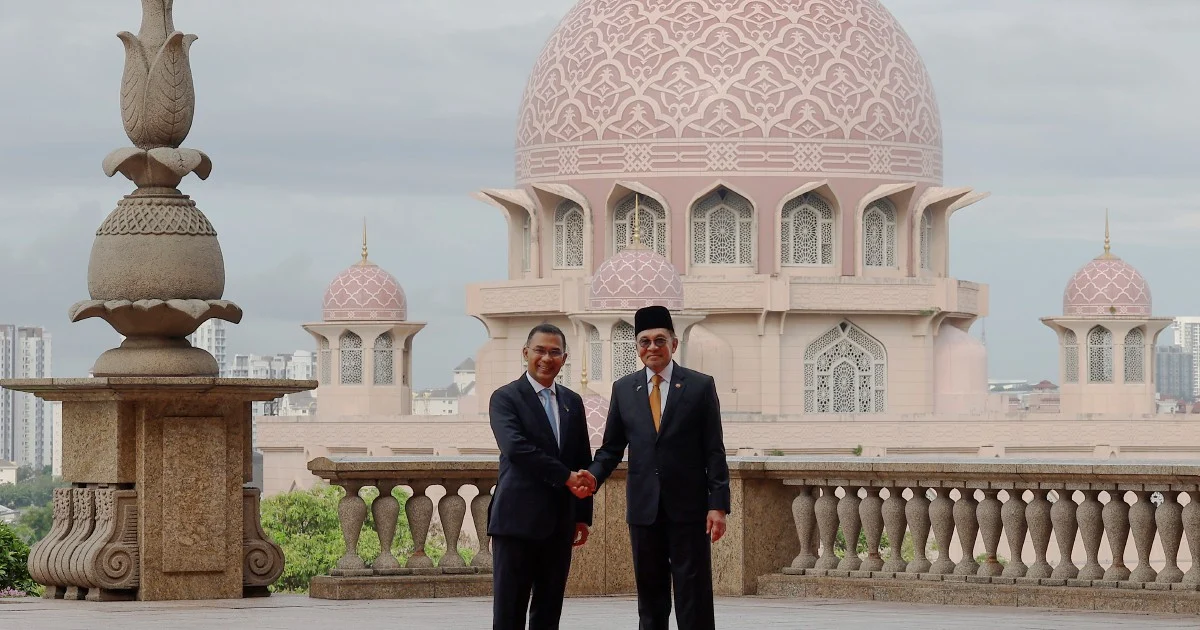
Bangladesh Prime Minister Tarique Rahman has arrived in Malaysia for a significant two-day official state visit, marking an important diplomatic engagement between the two South Asian and Southeast Asian nations. The visiting premier received a full ceremonial welcome at the Perdana Putra Complex in Putrajaya, the administrative capital, where Prime Minister Anwar Ibrahim formally received him as part of the protocol extended to high-ranking international dignitaries.
The reception underscores Malaysia's commitment to strengthening bilateral ties with Bangladesh, a nation of considerable strategic importance in the broader South Asian region. As home to over 170 million people and a significant player in regional geopolitics, Bangladesh represents both economic opportunity and political alignment for Malaysian policymakers navigating complex regional dynamics in Asia.
Official state visits of this nature typically include a structured programme of meetings, discussions on mutual interests, and often result in bilateral agreements or joint statements outlining areas of cooperation. The ceremonial welcome at Perdana Putra, which houses the Prime Minister's office and official functions, signals the formal and elevated status accorded to this particular engagement.
The timing of Rahman's visit reflects ongoing efforts to deepen Malaysia-Bangladesh relations across multiple domains. Both nations share common interests in maritime security, trade development, and regional stability within South Asia and the broader Indo-Pacific region. Bangladesh's position as a growing economic hub and its role as a transit point for regional commerce make it an increasingly important partner for Malaysian businesses and policymakers.
Historically, Malaysia and Bangladesh have maintained cordial diplomatic relations, though their engagement has been somewhat overshadowed by Malaysia's deeper institutional ties with countries within the Association of Southeast Asian Nations. This visit signals a potential recalibration of priorities, suggesting renewed attention to South Asian partnerships as part of a broader diversification of Malaysia's international relations strategy.
The two-day duration of the visit provides adequate time for substantive discussions on bilateral matters, regional cooperation frameworks, and potentially new memoranda of understanding between the two governments. Such official visits typically include sessions with not only the Prime Minister but also relevant ministers and senior officials overseeing portfolios aligned with national interests.
For Bangladesh, engagement with Malaysia carries its own strategic weight. Malaysia serves as a gateway to Southeast Asia and represents a model of Muslim-majority nation development and integration into regional economic structures. Learning from Malaysia's experiences in areas such as economic diversification, technology adoption, and multilateral engagement holds value for Bangladeshi policymakers.
The ceremonial reception process itself—involving military honours, flag ceremonies, and formal exchanges—reflects established international diplomatic protocols that both nations observe as established democracies with functioning institutional frameworks. These traditions, while ceremonial in appearance, carry symbolic weight in international relations, signalling mutual respect and the importance placed on bilateral relationships.
Regional observers will likely scrutinise the outcomes of this visit for insights into Malaysia's evolving foreign policy orientation. With growing complexity in regional geopolitics involving China, India, and the United States, Bangladesh's strategic location and growing military and economic capabilities make it a natural partner for Malaysian engagement.
The visit also occurs within the context of broader South Asian engagement by Southeast Asian nations. As ASEAN increasingly seeks to balance relationships with major powers and strengthen ties across the Indian Ocean region, Malaysia's hospitality to the Bangladesh Prime Minister reflects these larger structural shifts in regional diplomacy.
Trade and investment form another crucial dimension of bilateral relations that such visits typically address. With Bangladesh's growing manufacturing sector and Malaysia's established expertise in industrial development and technology transfer, mutual economic opportunities exist. The visit provides a platform for business delegations from both sides to explore new commercial ventures and strengthen existing partnerships.
As the visit progresses, the substance of discussions between the two leaderships will become clearer through official statements and communiqués. The formal welcome in Putrajaya nonetheless signals Malaysia's intention to place greater emphasis on its South Asian partnerships while simultaneously demonstrating its role as a bridge between South Asia and Southeast Asia within the broader Asian geopolitical landscape.
%22%2F%3E%3C%2Fpattern%3E%3C%2Fdefs%3E%3Crect%20width%3D%22100%25%22%20height%3D%22100%25%22%20fill%3D%22url(%23ph5v20tg)%22%2F%3E%3Crect%20width%3D%22100%25%22%20height%3D%22100%25%22%20fill%3D%22url(%23ph5v20tp)%22%2F%3E%3Ctext%20x%3D%2250%25%22%20y%3D%2250%25%22%20text-anchor%3D%22middle%22%20dominant-baseline%3D%22central%22%20fill%3D%22rgba(255%2C255%2C255%2C0.95)%22%20font-family%3D%22Georgia%2C%20'Times%20New%20Roman'%2C%20serif%22%20font-weight%3D%22700%22%20font-size%3D%22170%22%20letter-spacing%3D%22-0.02em%22%3EMalaysia%3C%2Ftext%3E%3C%2Fsvg%3E)