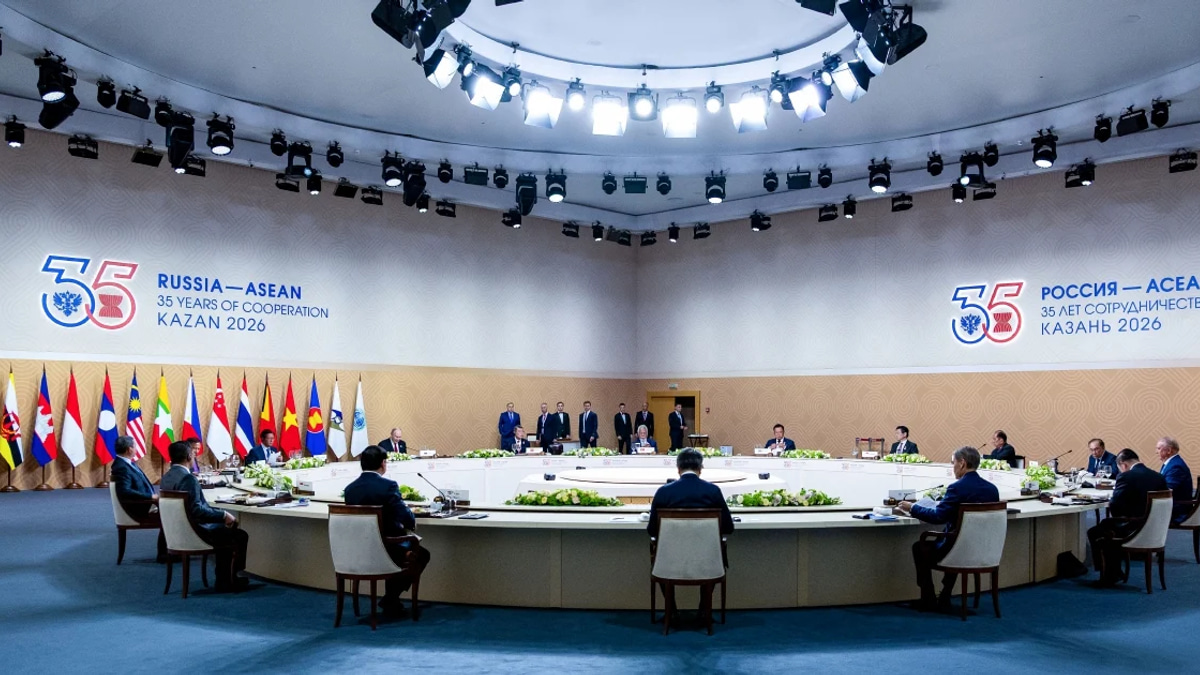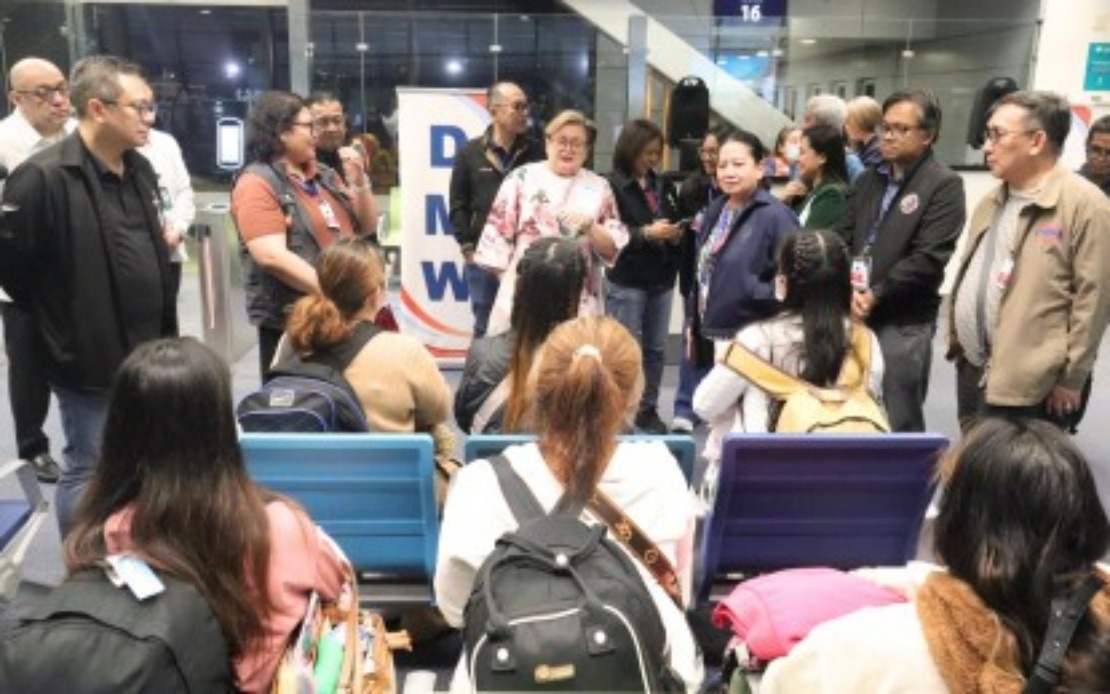
Twenty-four Filipino nationals who spent roughly nine months in Russian custody have safely returned home, marking the successful resolution of a diplomatic case that required direct intervention from the Philippines' highest office. The detainees arrived at Ninoy Aquino International Airport on Sunday in two separate batches, having transited through Bangkok before completing their journey to Manila. Their homecoming represents the culmination of intensive diplomatic efforts, with President Ferdinand R. Marcos Jr raising the matter personally during bilateral talks with Russian President Vladimir Putin at the ASEAN-Russia Commemorative Summit held in Kazan earlier in the week.
The repatriation process unfolded methodically, with six detainees touching down shortly after midnight aboard Philippine Airlines Flight PR737, while the remaining eighteen arrived hours later on PAL Flight PR733. The coordinated arrival arrangement underscores the complexity of orchestrating such cross-border movements, particularly when navigating the diplomatic channels between Manila and Moscow. Foreign Affairs Secretary Maria Theresa Lazaro and Migrant Workers Secretary Hans Cacdac were present to receive the returnees, signalling the government's commitment to providing immediate support and demonstrating that their case had remained a priority throughout their confinement.
The circumstances surrounding the Filipinos' detention reveal troubling patterns common across Southeast Asia's migration landscape. Official reports suggest the group may have fallen victim to unlicensed recruitment operations, a persistent vulnerability affecting thousands of migrant workers who seek employment opportunities abroad each year. Rather than being processed through legitimate channels with proper documentation and protective frameworks, these individuals appear to have been shepherded into a precarious situation that culminated in their arrest in Irkutsk, a city located in southeastern Siberia, where they languished for approximately nine months without facing formal criminal charges. This absence of explicit charges compounds the severity of their predicament, as it suggests their detention occurred in a legal grey area that complicated advocacy and diplomatic negotiations.
The involvement of multiple Philippine government agencies in securing their release underscores the multi-faceted approach required when citizens become ensnared in foreign legal systems. The Department of Foreign Affairs coordinated with Russian counterparts to facilitate the actual repatriation, while the Department of Migrant Workers and the Overseas Workers Welfare Administration provided essential logistical and welfare support. This interagency collaboration reflects institutional awareness that migrant worker protection demands more than reactive diplomacy; it requires sustained engagement across security, welfare, and labor sectors to address root causes and support affected individuals.
President Marcos's direct engagement with Putin represents a strategic diplomatic maneuver that yields particular significance within the context of contemporary Philippines-Russia relations. By elevating the matter to the presidential level and addressing it during a multilateral summit, Marcos signalled both the gravity of the situation and the Philippines' expectation that bilateral partnerships encompass humanitarian concerns alongside traditional geopolitical interests. The president's public acknowledgment of Putin's cooperation in resolving the issue demonstrates diplomatic protocol while also creating political space for future collaboration on similar matters affecting Filipino nationals abroad.
The underlying trafficking and recruitment vulnerabilities that ensnared these individuals persist across Southeast Asia, requiring sustained attention from national governments and regional organizations. Filipino workers represent a substantial portion of Asia's migrant labour force, with hundreds of thousands deployed globally each year. While many secure legitimate employment through regulated channels, the existence of organized recruitment syndicates that exploit workers remains a structural challenge. These operations prey upon individuals seeking better economic opportunities, often employing deception regarding employment terms, working conditions, and legal status requirements in destination countries.
The reintegration phase now beginning for these returnees carries particular importance beyond individual cases. Government agencies have committed to providing reintegration support and counselling services while continuing investigations into the recruitment networks that facilitated their exploitation. Such investigations potentially yield intelligence about organized trafficking operations, enabling coordination with law enforcement to disrupt future schemes. The Department of Migrant Workers has expanded its mandate in recent years to encompass not only worker deployment but also rescue and reintegration services, reflecting governmental recognition that protection cannot end upon initial deployment.
For Malaysian observers and policymakers, the Philippines' experience offers instructive lessons regarding the vulnerabilities facing migrant workers throughout Southeast Asia. Malaysia hosts over two million migrant workers across diverse sectors, with recruitment practices varying significantly in quality and legitimacy. The incident demonstrates how inadequate vetting of recruitment agents and insufficient worker education about legitimate employment pathways can result in devastating consequences. Both sending and receiving countries benefit from strengthened information-sharing systems that flag unreliable recruitment operations before vulnerable individuals engage with them.
The diplomatic resolution achieved in Kazan also reflects evolving international norms regarding migrant worker protection, even among nations with limited institutional alignment. The Philippines and Russia maintain complex bilateral relationships shaped by strategic considerations, yet both governments demonstrated willingness to prioritize humanitarian concerns when properly engaged. This precedent suggests opportunities for expanded regional mechanisms that facilitate worker protection across borders, potentially through mechanisms combining diplomatic pressure with material incentives for compliance with international labour standards.
Looking forward, the repatriation outcome creates opportunities for both nations to strengthen cooperation on migrant worker protection frameworks. Enhanced bilateral agreements specifying responsibilities for worker safety, legal representation, and repatriation procedures could prevent similar situations from recurring. The Philippines, as a major labour-sending nation with significant diplomatic experience in migrant advocacy, remains well-positioned to champion such frameworks throughout bilateral and multilateral forums. Simultaneously, receiving countries like Russia benefit from establishing clear protocols that reduce the likelihood of workers becoming caught in immigration legal ambiguities that extend detention periods and complicate resolution.
The immediate humanitarian priority now centres on ensuring these returned workers receive appropriate medical screening, psychological support, and vocational assistance for reintegration into domestic employment markets. Many will have experienced trauma from prolonged detention and displacement; their successful reintegration depends upon comprehensive support extending beyond the immediate repatriation moment. Government agencies have positioned themselves to provide such services, though the adequacy of resources and the quality of execution across all cases remains subject to ongoing assessment. Success in this reintegration phase potentially transforms a negative experience into an opportunity to strengthen worker resilience and inform others about protecting themselves against similar deception.