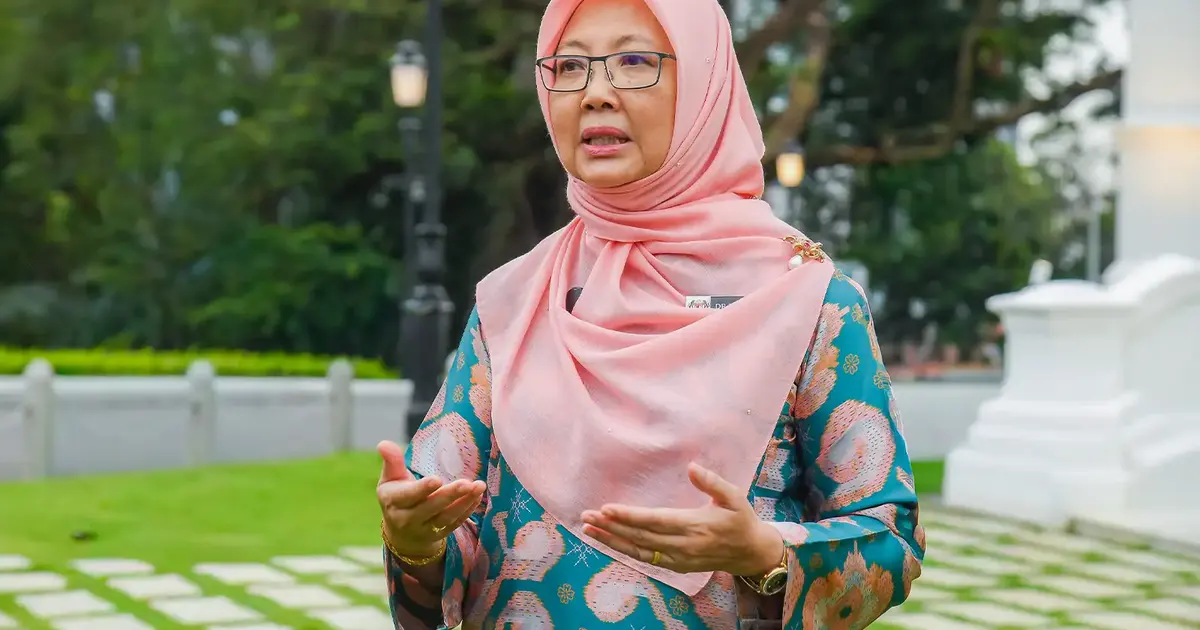
PKR vice-president Zaliha Mustafa has expressed bewilderment at Johor Barisan Nasional chairman Onn Hafiz Ghazi's recent demand that the opposition coalition name its preferred candidate for menteri besar, arguing that such a declaration would be premature given no assurance exists that any nominated figure would actually receive the position.
The timing of Onn Hafiz's call appears strategically positioned ahead of Johor's state assembly proceedings, where such matters typically gain heightened attention. However, Zaliha's response highlights a fundamental tension in Malaysian politics between transparency expectations and the fluid dynamics of coalition negotiations. Coalition leaders often resist publicly committing to specific individuals when the final appointment depends on multiple variables beyond their immediate control, including royal approval and post-election negotiations with potential partners.
From Zaliha's perspective, naming a poster boy without guarantee of implementation could expose Pakatan Harapan's candidate to undue vulnerability. Should that individual fail to secure the menteri besar position due to political circumstances or negotiations beyond the coalition's control, both the candidate and the coalition would face credibility questions. This defensive posture reflects lessons learned from previous state elections where parties faced backlash for unfulfilled menteri besar pledges.
Onn Hafiz's demand essentially challenges Pakatan Harapan to put its cards on the table before negotiations have concluded—a move that typically disadvantages the opposition in Malaysian state politics. The Johor BN chairman operates from a position of relative strength as the incumbent coalition, and such public declarations would constrain Pakatan Harapan's negotiating flexibility, particularly if internal coalition discussions have not yet solidified around a consensus candidate.
For Malaysian voters in Johor, however, Onn Hafiz's demand resonates with legitimate calls for political transparency. Voters increasingly expect parties to articulate their leadership preferences before elections rather than conducting backroom arrangements afterward. This creates genuine tension between democratic accountability and political pragmatism—a tension particularly acute in Malaysian politics where coalition dynamics and post-election negotiations often determine leadership outcomes.
The Johor context adds particular significance to this exchange. Malaysia's southern economic powerhouse represents territory where both Pakatan Harapan and Barisan Nasional maintain substantial support bases. Recent polls suggest competitive dynamics, making the menteri besar position genuinely contested rather than predetermined. In such scenarios, coalitions naturally prefer maintaining strategic ambiguity about their ultimate leadership choice until negotiations conclude.
Zaliha's puzzlement also reflects the asymmetry in how Malaysia's major coalitions operate. While Barisan Nasional, as the established governing coalition, can afford to demand clarity from opponents, opposition coalitions navigating complex internal negotiations often require flexibility. Pakatan Harapan comprises multiple parties—PKR, DAP, Amanah, and various state-specific allies—with sometimes differing preferences regarding state leadership. Revealing a single poster boy prematurely could exacerbate internal tensions if other coalition members feel their interests have been overridden.
The broader context involves how Malaysian political coalitions have evolved since 2018. That watershed election demonstrated that coalition clarity could mobilize voters effectively, yet subsequent state elections have shown that publicly named candidates sometimes generate backlash or become liability magnets for controversies. Johor's political culture particularly values stability and predictability, yet also harbors skepticism toward coalition politics perceived as dictated from outside the state.
For investors and business observers monitoring Johor's political trajectory, this exchange signals ongoing uncertainty about governance continuity. Corporate leaders typically prefer knowing who will manage state affairs, and prolonged ambiguity about leadership succession can create planning challenges. However, Malaysia's constitutional monarchy provides stabilizing mechanisms—sultans must formally approve menteri besar appointments—that investors recognize as additional governance checkpoints.
Zaliha's response also carries implications beyond Johor itself. How opposition coalitions handle leadership transparency questions shapes perceptions about their readiness for national government. Democratic movements worldwide face similar tensions between transparency demands and strategic flexibility. Malaysian voters increasingly expect opposition coalitions to demonstrate confidence in their leadership through public declarations, yet tactical considerations often counsel restraint.
The Johor situation illustrates deeper questions about Malaysian political maturity. Should state elections function as genuine contests where leading coalitions maintain strategic options until final negotiations conclude, or should they operate as transparent exercises where leadership choices are predetermined and voters assess individuals rather than coalitions? Different stakeholders answer differently.
As Johor approaches electoral possibilities, Zaliha's stance indicates Pakatan Harapan will not rush into public menteri besar declarations despite external pressure. This approach preserves negotiating room but invites opposition claims about lack of transparency. The tension remains unresolved—emblematic of how Malaysian politics continues navigating between traditional coalition-based governance and modern demands for democratic accountability.

