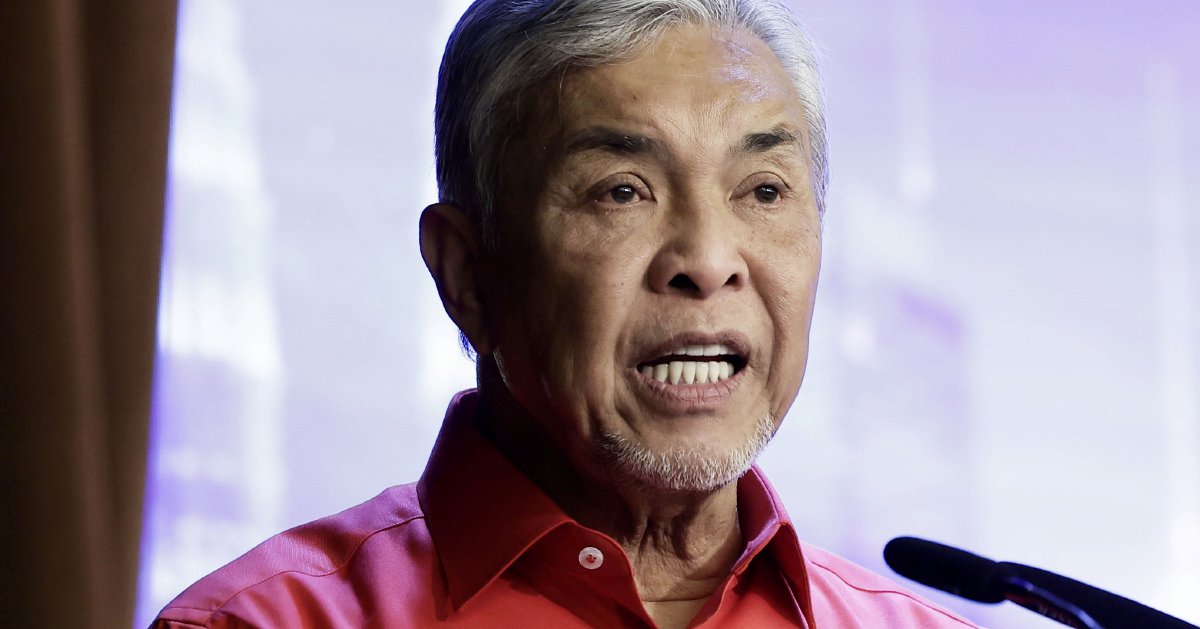
Deputy Prime Minister Datuk Seri Dr Ahmad Zahid Hamidi has called on all stakeholders to abandon unsubstantiated claims and perceptions regarding Lembaga Tabung Haji (TH), emphasising the need for discourse grounded in factual evidence rather than conjecture. His statement reflects growing concern within government circles about the narrative surrounding the Islamic pilgrimage savings fund, which has faced persistent scrutiny over the past several years.
The remarks signal an attempt by the government to shift the conversation around TH from one dominated by criticism and rumour to one centred on verifiable data and transparent reporting. Zahid's intervention suggests that officials believe repeated allegations, whether substantiated or not, have created a perception problem that undermines public confidence in the institution regardless of its actual financial standing or management practices. For Malaysian savers who have entrusted millions of ringgit to the fund for their Hajj aspirations, the distinction between fact and perception carries significant weight.
Tabung Haji has weathered considerable reputational damage over recent years, with concerns raised about investment losses, governance structures, and the fund's ability to meet withdrawal obligations. The 2023 financial year presented particular challenges, and the institution has undergone restructuring initiatives designed to stabilise operations and restore stakeholder confidence. However, public memory of previous difficulties lingers, and social media discussions frequently resurrect concerns that may or may not reflect the fund's current operational reality.
The Deputy Prime Minister's appeal appears aimed at creating space for TH to communicate its recovery efforts without the constant backdrop of unverified claims. Government officials have stressed that the fund continues to serve over 9 million members and remains a critical component of Malaysia's Islamic financial ecosystem. Distinguishing between legitimate oversight and baseless speculation is essential for informed public discourse, particularly when public savings are at stake.
Zahid's statement also carries implications for how Malaysian institutions navigate the intersection of accountability and reputation management. While the government's emphasis on evidence-based criticism is reasonable, it simultaneously raises questions about institutional transparency. TH's historical lack of clear and timely disclosure about certain investment decisions and financial positions contributed to the information vacuum that speculation filled. Authorities appear to be banking on the notion that better communication will naturally displace unsubstantiated claims.
From a regional perspective, TH's challenges mirror broader questions facing Islamic financial institutions across Southeast Asia regarding governance standards and investor protection. Malaysia's approach to addressing these concerns—through restructuring and increasingly through public messaging—offers lessons for peer institutions in Singapore, Brunei, and Indonesia that manage similar religious endowment and savings schemes. The emphasis on factual accountability rather than purely reputational defence suggests a maturing approach to institutional credibility.
The fund's recent initiatives include enhanced governance oversight, improved investment diversification, and clearer communication channels with depositors. These structural reforms aim to address the root causes of earlier difficulties rather than simply managing perceptions. However, the sustainability of these improvements depends partly on whether they generate demonstrable results in fund performance and member satisfaction over coming quarters.
Zahid's intervention also reflects the political dimension of TH governance. As a fund closely associated with Muslim citizens' religious obligations, its health carries both social and political significance. Government backing for institutional reforms signals commitment to protecting a valued social institution, but also suggests concern that continued reputational erosion could affect public confidence in broader government institutions and financial oversight.
For Malaysian depositors, the call for evidence-based discourse is valuable insofar as it encourages rigorous scrutiny rather than rumour-mongering. However, it implicitly places some burden on individuals to distinguish legitimate concerns from speculation—a responsibility that becomes easier only when institutions themselves maintain transparent operations and proactive disclosure. TH's challenge involves demonstrating through measurable outcomes and audited financial statements that recovery efforts are succeeding, rather than asking the public to simply trust official reassurances.
The path forward for Tabung Haji appears to hinge on synchronising structural reforms with enhanced communication. While government officials rightly discourage baseless allegations, the fund's credibility will ultimately rest on sustained financial performance and member satisfaction. The Deputy Prime Minister's remarks usefully redirect focus toward substantive issues, yet full restoration of public confidence will require TH itself to make the evidence so clear and compelling that speculation becomes untenable. Until then, separating legitimate concerns from unfounded claims will remain a challenge for both officials and the Malaysian public they serve.

