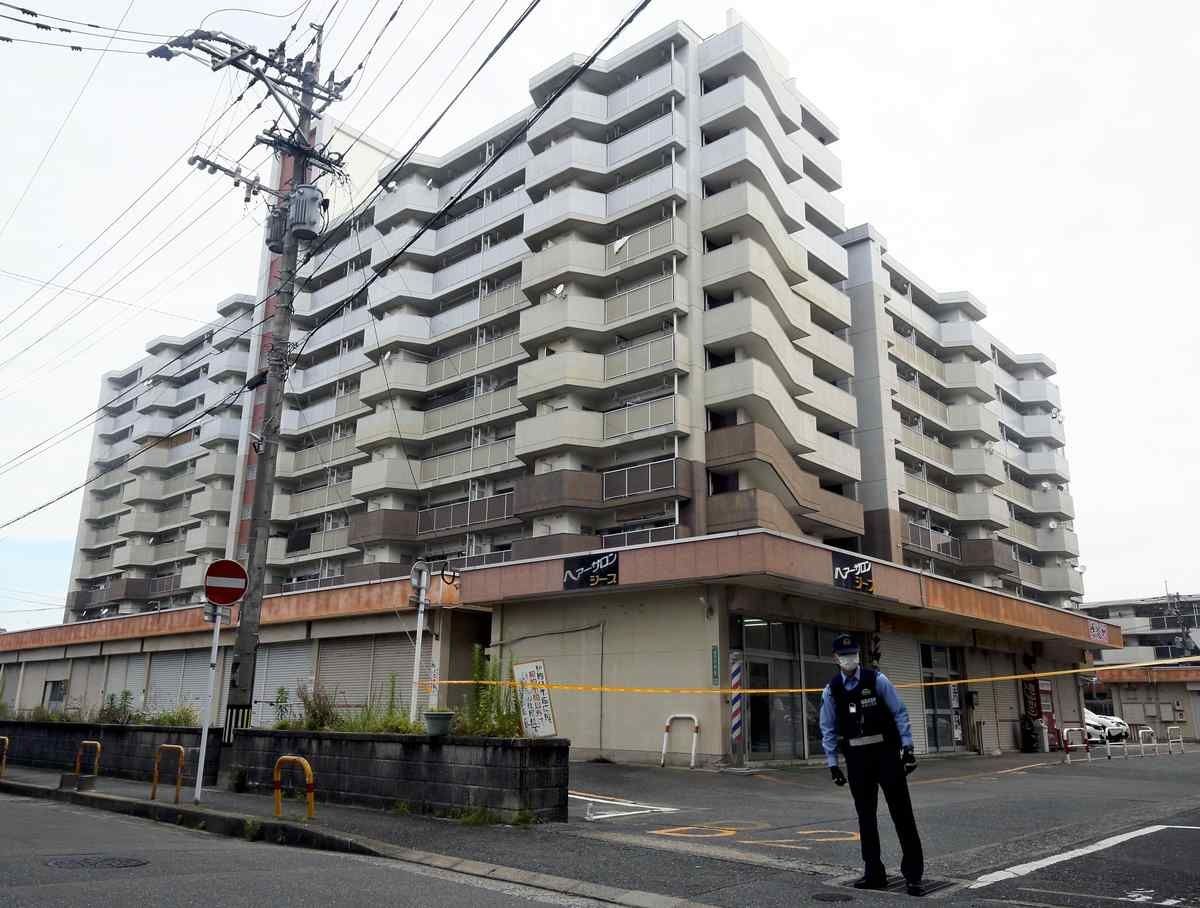
A 36-year-old woman was taken into custody on Thursday, June 18, following the fatal stabbing of her 33-year-old friend in Fukuoka City, in a case that has drawn attention for the traumatic circumstances surrounding the victim's three children who were asleep in an adjacent room at the time of the attack. Authorities responded to the scene in the early hours of Thursday morning, with the victim rushed to hospital where she was subsequently declared dead. The Fukuoka Prefectural Police's Higashi Station initially classified the case as attempted murder when the suspect was first apprehended, but investigators quickly moved to upgrade the charges to murder following the victim's death.
The attack occurred at approximately 3.15am Thursday when the suspect allegedly subjected her friend to a sustained and violent assault, inflicting multiple stab wounds to the neck and chest using a knife-like object. The ferocity of the attack and the number of wounds suggest an act of considerable violence, raising questions among investigators about the nature of the relationship between the two women and what precipitated the incident. Police have not yet disclosed details about any prior disputes or conflicts between the two, though such domestic violence cases in Japan occasionally involve long-standing interpersonal tensions that finally boil over into tragedy.
What makes this case particularly harrowing is the presence of three elementary school-aged children in the home at the time of the killing. According to reports, the children remained asleep in another room throughout the attack, spared from witnessing the violence directly but now facing the profound trauma of learning their mother's friend was murdered in their family home. The psychological impact on such young witnesses to the aftermath of a homicide, even if they did not see the actual crime, can be severe and long-lasting. Child welfare authorities in Fukuoka are likely to become involved in assessing the needs of the children and determining appropriate support mechanisms moving forward.
The suspect has cooperated with investigators and made a full admission to the charges against her. In her statement to police, she acknowledged her culpability without apparent equivocation, telling officers: "It's true I did it. I stabbed her many times." This confession streamlines the investigative process and provides clear evidence for prosecutors building their case, though it does not illuminate the motivations behind such a drastic and irreversible act. Understanding why individuals resort to such extreme violence remains a critical question for both law enforcement and criminological experts seeking to prevent similar tragedies.
Japan, despite its reputation for safety and low crime rates, does experience isolated incidents of severe interpersonal violence. These crimes, when they occur in residential settings involving acquaintances rather than strangers, often reflect complex social dynamics and personal crises that accumulate over time. The stabbing of a friend by another friend within a shared residential space represents a particular category of homicide that defies the stereotypical understanding of violence as something perpetrated by criminal outsiders against vulnerable victims.
The Higashi Station's reclassification of the case from attempted murder to murder reflects the progression of legal procedure in Japan, where initial charges can be adjusted as circumstances develop. Murder investigations in Japan are typically thorough and methodical, with police employing forensic analysis, witness interviews, and psychological evaluation to build comprehensive cases. The fact that the suspect has admitted to the charges may expedite certain aspects of the legal process, though Japan's court system will still conduct its own full investigation and trial proceedings.
For the residents of Fukuoka and Japan more broadly, cases like this serve as reminders that violence can emerge in contexts that seem unlikely or ordinary. The presence of children in the home adds another dimension to public concern, as such incidents inevitably spark discussions about child safety, neighbourhood vigilance, and the warning signs that might precede violent acts. Schools and community organisations in Fukuoka may use this case as an opportunity to educate parents and children about personal safety and recognising potentially dangerous situations.
The legal implications for the 36-year-old suspect are significant. If convicted of murder, she faces a substantial custodial sentence under Japanese law, which does not impose capital punishment for all murder cases but does have life imprisonment as a possibility depending on circumstances and judicial determination. The trial process will examine not only her actions but also her mental state, possible motivations, and any mitigating or aggravating factors that might influence sentencing.
This incident also reflects broader concerns about domestic safety in Japan, where police statistics reveal that a significant proportion of violent crimes occur within family units or between people who know each other. The circumstances of this case underscore why creating safe environments for all household members, and particularly for children, remains an ongoing challenge for society and law enforcement agencies throughout the region.

