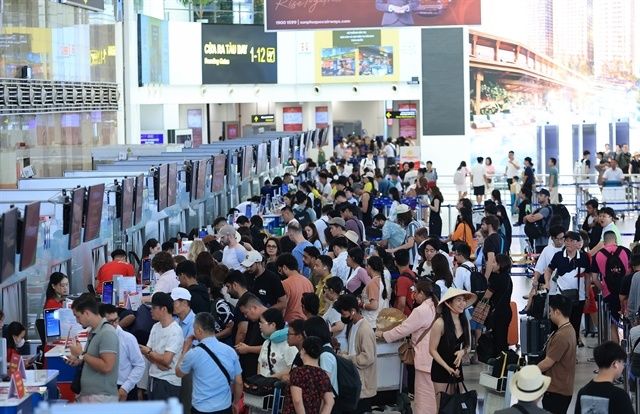
Vietnam has moved to strengthen passenger protections in civil aviation by enacting Decree No. 208, which establishes comprehensive compensation and assistance requirements for carriers when flights are delayed, cancelled, or rescheduled. The regulation takes effect from the beginning of next month and represents a significant step toward aligning Vietnamese aviation standards with international consumer protection norms, a development that carries implications for the broader Southeast Asian aviation landscape.
The new decree establishes clear thresholds for what constitutes a flight delay. A flight is classified as delayed when its actual departure time exceeds the scheduled time by more than 15 minutes. The regulation further distinguishes between standard delays and what it terms "long delays," with the latter defined as any postponement of four hours or more from the scheduled departure time. This dual classification allows Vietnamese authorities to apply proportionate remedies based on the severity of disruption experienced by passengers, reflecting international best practices seen in European Union and other developed aviation markets.
Carrier obligations begin well before a delayed flight actually departs. Once an airline anticipates a delay, it must promptly notify affected passengers, offer an apology, and explain the cause of the disruption. The decree requires carriers to maintain continuous communication by updating the revised estimated departure time to both airport operators and passenger terminal service providers, ensuring this information appears on airport flight information displays at least every 30 minutes. This transparency requirement acknowledges the practical needs of stranded passengers who must make alternative arrangements, contact connecting flights, or adjust ground transportation plans.
Material assistance thresholds kick in when delays extend beyond two hours. At this point, airlines must provide complimentary drinking water or issue vouchers of equivalent monetary value to affected passengers. For longer delays occurring during evening and overnight hours, the assistance escalates significantly. Delays occurring between 10pm and 7am the following morning trigger an obligation for carriers to arrange sleeping or resting accommodation appropriate to local conditions, or provide an alternative solution that passengers consent to. Delays between 7am and 10pm require carriers to arrange suitable rest facilities within the constraints of what airport infrastructure actually permits, recognizing variations in airport capacity across Vietnam's domestic network.
Rebooking and rerouting responsibilities form another pillar of the new framework. When delays occur, carriers must rebook passengers on alternative departure times or reroute them to reach their final destinations upon request. Importantly, when the delay stems from the carrier's own fault, airlines must waive any restrictions normally applied to itinerary changes or rebookings and eliminate applicable surcharges that would otherwise apply. This provision prevents airlines from profiting through change fees even as they cause the disruption, creating an economic incentive for carriers to minimize delay-causing operational failures.
Schedule changes—where airlines alter the planned departure time of a marketed flight—receive separate regulatory treatment. If the carrier advances or delays a flight by five hours or more, passengers must be notified and given options including a full ticket refund, rebooking on an alternative itinerary with adjusted departure times, or placement on another flight within 72 hours at the passenger's request. However, minor schedule adjustments of no more than four hours earlier or 15 minutes later remain subject to each carrier's own established regulations, providing airlines with reasonable operational flexibility for modest timetable adjustments.
Cancellations trigger the most stringent airline obligations. The decree defines a cancelled flight as one not operated under a flight number for which at least one passenger held a confirmed seat and ticket. Upon cancellation, carriers must immediately notify passengers without delay, apologize, and explain the reason. When cancellations result from carrier fault, airlines face a choice of remedies: rebooking passengers on suitable alternative itineraries or other flights to reach final destinations, with all change restrictions and surcharges waived; issuing full fare refunds; or refunding only the unused portion of the ticket. These options ensure passengers retain meaningful recourse rather than being stranded by airline failures.
The Vietnamese government has delegated to the Minister of Construction the authority to prescribe additional implementation details. These will include specific calculations for non-refundable advance compensation amounts, payment methods and deadlines, and carrier obligations regarding information publication and reporting requirements for delays, cancellations, and denied boarding situations. This phased regulatory approach allows technical specialists to develop workable implementation frameworks while core passenger protections take immediate effect.
For Malaysian and regional travelers, this Vietnamese development signals evolving consumer protection standards across Southeast Asia. While Malaysia's own aviation sector operates under established guidelines, Vietnam's new regime demonstrates how emerging markets are increasingly adopting comprehensive passenger rights frameworks. The implementation of Decree No. 208 will likely pressure other regional carriers to maintain competitive service standards and transparent compensation policies. Regional airlines operating in Vietnamese airspace or carrying passengers to and from Vietnam must now comply with these requirements, potentially influencing their global operational practices.
The timing of Vietnam's decree reflects broader regional and international momentum toward stronger aviation consumer protections. As Southeast Asian economies mature and middle-class passenger volumes expand, governments increasingly recognize that passenger rights protections drive market confidence and support sustainable aviation growth. Vietnam's approach—clearly defining delay thresholds, mandating real-time communication, providing tiered assistance, and ensuring meaningful rebooking or compensation options—addresses practical pain points that regular flyers experience.
Implementation will prove crucial to the decree's effectiveness. Vietnamese airlines and airport operators will require training on the new requirements, and passengers will need information about their rights. The phased approach allowing the Minister of Construction to establish detailed procedures suggests authorities recognize that a one-size-fits-all national framework must accommodate variations in airport capabilities across major hubs like Ho Chi Minh City and Hanoi versus smaller regional airports serving Vietnam's growing domestic market.
Longer term, Decree No. 208 may catalyze further standardization across Southeast Asia's aviation sector. As Vietnam establishes baseline protections, neighboring countries may face pressure to match or exceed these standards to remain competitive for international passengers and maintain airline reputation. The regulation demonstrates that developing nations need not simply adopt European Union models wholesale; instead, Vietnam has adapted international principles to local conditions while establishing clear, enforceable standards that balance passenger protection with operational realism.

