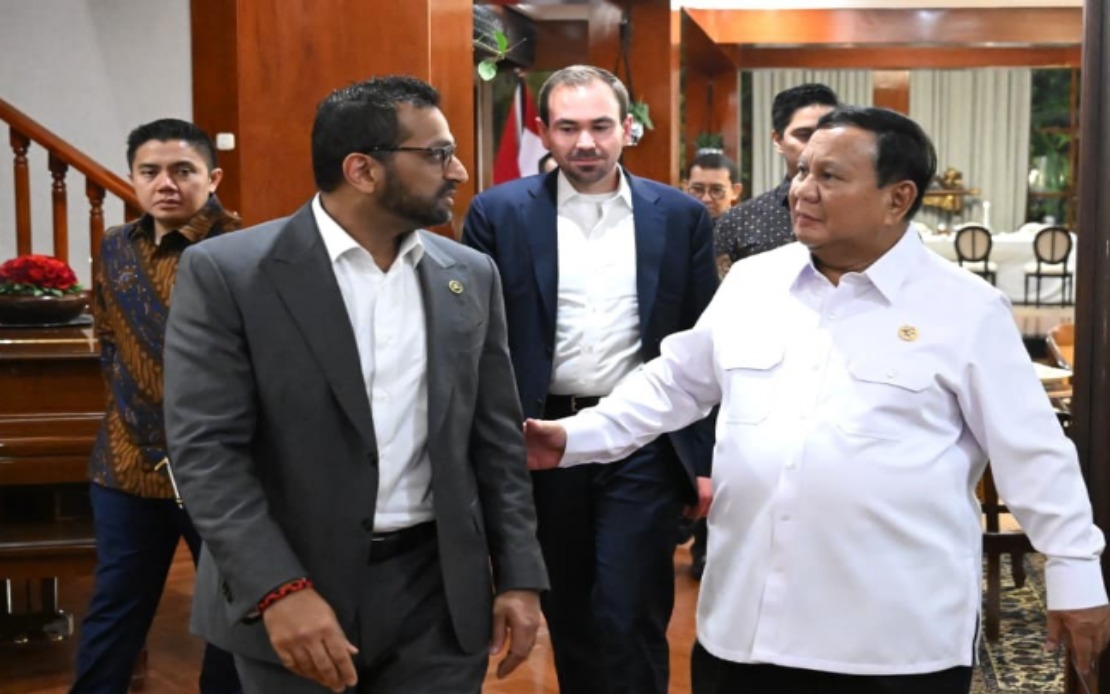
The Federal Bureau of Investigation has completed the handover of multiple Indonesian cultural artefacts that were unlawfully transported to American soil, signalling continued diplomatic progress in heritage recovery between Jakarta and Washington. FBI Director Kash Patel delivered the retrieved objects directly to President Prabowo Subianto during an official visit to Kertanegara in Jakarta on Wednesday, a gesture that underscores the significance both nations attach to protecting and restoring stolen cultural property.
Indonesia's Culture Minister Fadli Zon welcomed the repatriation as evidence of productive partnership, characterising the recovery as part of a broader mission to reclaim the nation's cultural sovereignty. Speaking through a Presidential Secretariat statement the following day, he stressed Jakarta's determination to expand cooperation with American law enforcement agencies to locate and recover additional heritage items currently held overseas. The minister indicated that the State Secretariat and Ministry of Foreign Affairs would coordinate further efforts to strengthen bilateral protocols governing cultural object identification and restitution.
The artefacts returned in this shipment trace their origins to Papua, encompassing sacred and everyday items belonging to indigenous communities including the Dani and Asmat peoples, as well as groups inhabiting the Lake Sentani region. These objects carry profound historical and spiritual significance within their source communities, representing knowledge systems, artistic traditions, and ceremonial practices accumulated over generations. Fadli emphasised that their recovery represents more than mere acquisitorial success; it constitutes recognition of Indonesia's rights to control and preserve the material expressions of its diverse cultures.
The investigation establishing the artefacts' provenance relied on meticulous research tracing their movement from Indonesian territories through illegal trafficking networks into American private and institutional collections. This detective work, conducted jointly by Indonesian cultural authorities and FBI specialists, demonstrates the investigative capacity now being mobilised across the Pacific. The methodology developed through this cooperation could serve as a model for other Southeast Asian nations similarly grappling with the challenge of locating and recovering cultural property displaced during colonial periods and through subsequent smuggling operations.
Previous collaborative efforts between Jakarta and the FBI have yielded significant results, including the recovery of bronze statues and materials from archaeological sites whose removal violated Indonesian law and international cultural heritage conventions. These earlier successes have built institutional relationships and procedural frameworks that facilitate more efficient processing of repatriation claims. The accumulation of successful cases creates precedent and establishes patterns that investigators can apply to other investigations, accelerating the pace at which stolen objects can be identified and returned.
The repatriation reflects broader global momentum toward addressing historical injustices embedded in museum collections and private holdings across wealthy nations. Museums and law enforcement agencies in the United States, European countries, and other affluent regions increasingly face pressure from source communities and their governments to acknowledge the illegitimate provenance of culturally significant objects and facilitate their return. Indonesia's proactive engagement with American authorities positions it advantageously within this shifting landscape, demonstrating that persistent diplomatic engagement can yield tangible results.
Minister Fadli announced plans to display the returned artefacts at Indonesia's National Museum, transforming the recovery into an educational opportunity for domestic audiences. This curatorial decision serves multiple purposes: it allows Indonesian citizens to reconnect with heritage that was removed from public access, it demonstrates the government's commitment to cultural preservation, and it creates a visible reminder of successful repatriation efforts that may encourage other nations to examine their own collections and initiate similar processes. The exhibition will document the journey of these objects, educating visitors about the mechanisms through which cultural property becomes displaced and the diplomatic work required to bring it home.
For Malaysia and other Southeast Asian nations, Indonesia's repatriation successes offer important lessons regarding negotiation strategies and institutional development. The region collectively holds substantial quantities of cultural materials in foreign museums and private collections, legacies of colonial extraction and subsequent trafficking. Indonesia's model of sustained engagement with foreign law enforcement, coupled with transparent provenance research and careful documentation, provides a replicable framework. Malaysian cultural authorities might consider adopting similar approaches to locate and recover heritage objects from Singapore, Britain, the Netherlands, and other nations where Malaysian materials reside.
The expansion of US-Indonesia cooperation on cultural repatriation also carries implications for bilateral relations more broadly. Heritage recovery initiatives humanise diplomatic relationships and generate positive sentiment within domestic constituencies, creating political capital for both governments. In an era when US-Indonesia relations navigate complex geopolitical considerations including China's regional role and competing strategic interests, collaborative cultural projects offer a dimension of engagement that transcends security and economic concerns. Such cooperation demonstrates that shared commitment to cultural preservation and justice can flourish even amid broader strategic competition.
Looking forward, Jakarta has signalled ambitions to intensify these recovery efforts, potentially identifying additional objects held in American institutions or private collections. The FBI's demonstrated willingness to allocate investigative resources to cultural property cases suggests that this cooperation will continue to produce results. However, success will depend on sustained funding, trained personnel specialising in provenance research, and systematic cataloguing of Indonesian materials in foreign repositories. Both nations now face the challenge of institutionalising these collaborative mechanisms to ensure that cultural repatriation becomes a permanent feature of bilateral engagement rather than episodic diplomatic gestures.
The repatriation also highlights the continued relevance of international frameworks governing cultural property rights. Conventions including the UNESCO Convention on the Means of Prohibiting and Preventing the Illicit Import, Export and Transfer of Ownership of Cultural Property provide legal architecture supporting Indonesia's claims and facilitating cooperation with enforcement agencies. However, the gap between legal frameworks and actual implementation remains substantial; progress ultimately depends on individual nations' commitment to enforcement. Indonesia's partnership with the FBI demonstrates that motivated government agencies can navigate these frameworks effectively, but systematic change requires broader cultural and institutional shifts within wealthier nations' approaches to colonial-era acquisitions.

