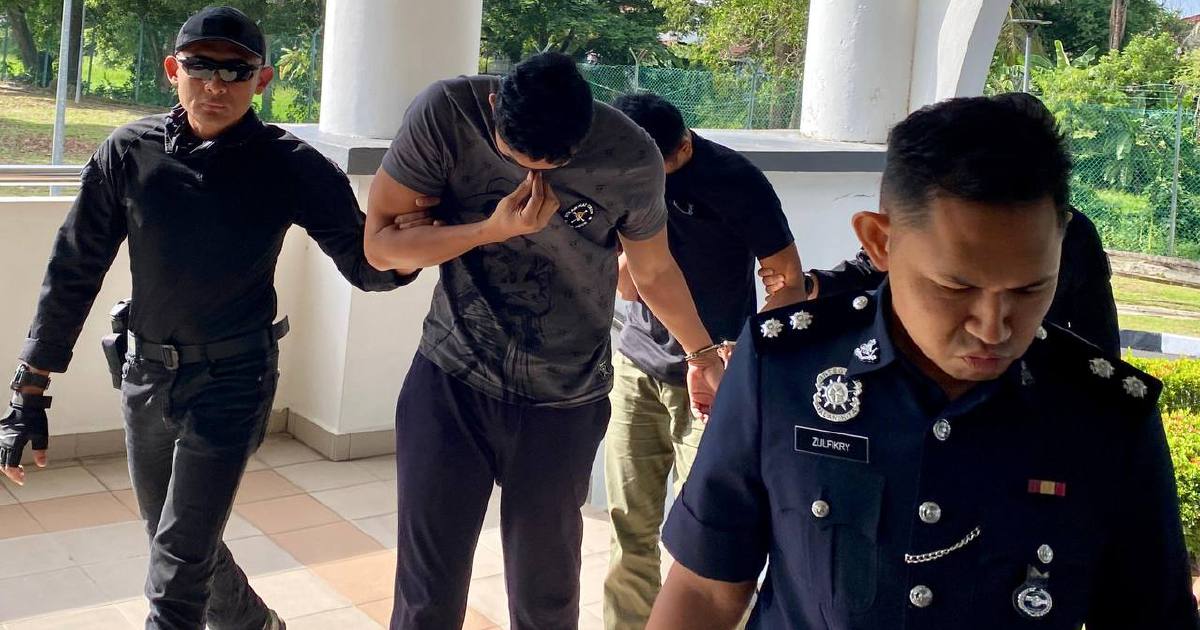
Two soldiers appeared before the Sessions Court in Alor Star on charges related to the unlawful smuggling of three Myanmar nationals across the Malaysia-Thailand border in the preceding month, marking another incident in a persistent pattern of border security breaches involving military personnel.
The case underscores the vulnerabilities that exist at frontier crossing points despite the presence of armed forces tasked with border management and security. The arrest and subsequent charges represent a significant departure from the expected conduct of military personnel, whose primary responsibility includes ensuring the integrity of national boundaries against unauthorised movements of people and contraband.
Border smuggling operations involving Myanmar nationals have become increasingly prevalent across Southeast Asia, driven by economic desperation, displacement from internal conflicts, and the lucrative nature of human trafficking networks. Malaysia's position as a more economically developed nation compared to Myanmar continues to draw migrants seeking employment opportunities, even through illicit channels that expose them to exploitation and abuse.
The involvement of uniformed personnel in such operations raises concerns about the recruitment of military members into organised smuggling rings. These networks typically operate through established connections and trust networks, suggesting that the soldiers may have been integrated into broader trafficking chains rather than acting in isolation. The financial incentives for low-ranking military staff involved in border security are often substantial, making corruption a persistent challenge for command structures attempting to maintain discipline.
Myanmar nationals attempting to enter Malaysia illegally face numerous dangers throughout their journey, including extortion by smugglers, abandonment in remote border areas, and vulnerability to further trafficking or exploitation once they arrive. The current humanitarian crisis in Myanmar, characterised by military repression and economic collapse following the 2021 coup, has intensified pressure on citizens to seek escape routes through any available means, including reliance on criminal networks.
Malaysia's approach to irregular migration has historically emphasised enforcement and deportation, though authorities have also recognised the distinction between trafficking victims and migrants pursuing economic opportunity. The identity and vulnerability status of the three Myanmar nationals in this case may influence how the broader situation is managed, particularly if evidence indicates they were coerced or deceived into the smuggling arrangement.
The Sessions Court proceedings will likely examine the specific roles each soldier played in the operation, the compensation they received, and whether they had prior involvement in similar activities. Prosecutors will need to establish the chain of events leading to the apprehension and demonstrate the soldiers' knowledge that they were facilitating illegal entry into Malaysia. Defence counsel may argue various mitigating circumstances, including claims of coercion or operational confusion, though military personnel are generally held to higher standards of accountability than civilians.
This incident reflects broader challenges facing ASEAN nations in managing transnational migration flows and combating human trafficking, which the United Nations identifies as one of the world's most serious human rights violations. Border security forces across the region face constant pressure from criminal networks seeking to exploit frontier zones, and the corruption of military or police personnel significantly undermines institutional capacity to maintain order.
The case also raises questions about the adequacy of oversight mechanisms within Malaysia's armed forces. Regular audits, rotation of personnel, intelligence gathering regarding suspected corruption, and clear whistleblower protections are essential components of anti-corruption frameworks in security agencies. The discovery of this smuggling operation suggests that existing monitoring systems either failed to detect warning signs or lacked sufficient resources to prevent the activity.
For Myanmar nationals, the legal pathways to working in Malaysia remain extremely restrictive, with limited visa categories available and high administrative barriers. This structural limitation drives demand for illegal entry options and creates exploitation opportunities for smuggling networks. Regional cooperation frameworks addressing labour migration could potentially provide safer alternatives, though current bilateral and multilateral arrangements remain underdeveloped.
The implications for Malaysia's border security are significant, as the military is expected to maintain absolute integrity when guarding national frontiers. The public revelation of this case may prompt internal reviews within the armed forces and potentially inspire further investigations into other personnel operating at sensitive border locations. Enhanced vetting procedures and improved compensation for security personnel might also be considered as preventive measures against future incidents.
Author attempts to organise informal migration pathways outside criminal networks continue across the Malaysia-Myanmar border, where fishing villages, rubber plantations, and small-scale industries employ undocumented workers despite legal prohibitions. The apprehension of these three Myanmar nationals and the charging of the two soldiers represents only a fraction of the larger undocumented movement occurring continuously across this and other border regions throughout Southeast Asia.