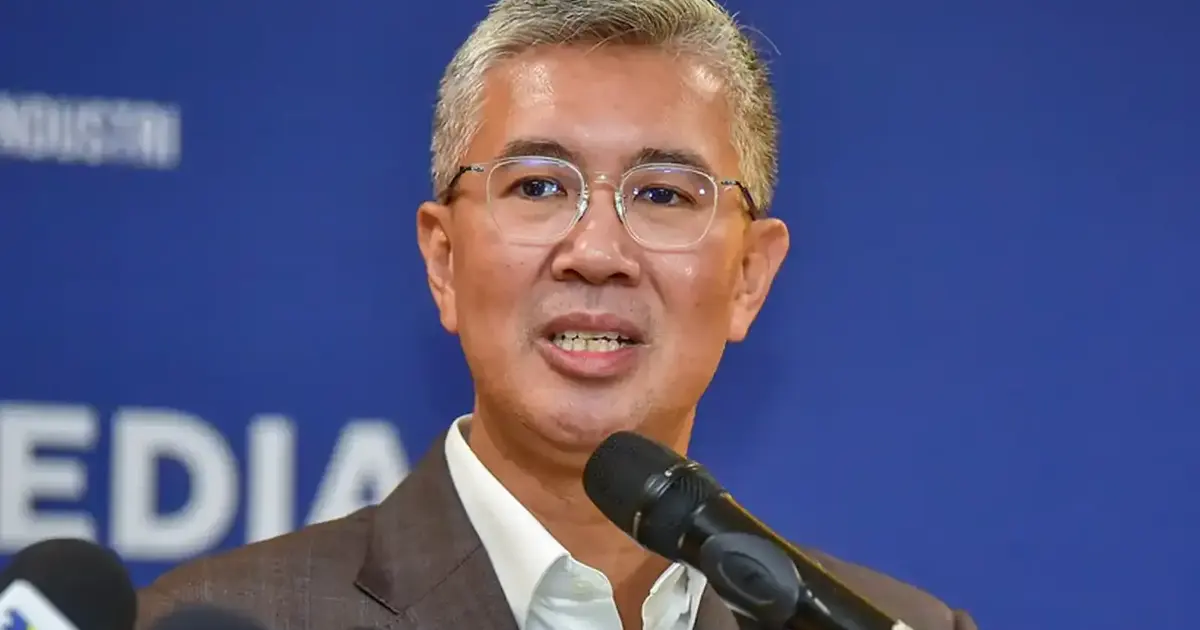
Tengku Zafrul is exploring prospects to contest a Selangor constituency at the sixteenth Malaysian general election, marking a potential comeback attempt following his defeat in the previous electoral cycle. The former political figure, who carried Umno's banner in Kuala Selangor during GE15, is repositioning himself within the party's competitive landscape as speculation mounts over candidate selection strategies for the forthcoming national polls.
His interest in securing a Selangor nomination represents a significant chapter in the post-GE15 recalibration affecting senior Umno figures. When Malaysia went to the polls in 2022, Tengku Zafrul's campaign in Kuala Selangor encountered a formidable challenge from Dzulkefly Ahmad, the Amanah vice-president who successfully captured the seat. That contest illustrated the competitive pressures facing the ruling coalition in Selangor, the nation's most urbanised and politically volatile state, where voter preferences have increasingly fragmented across multiple political vehicles.
The dynamics of Selangor politics have fundamentally transformed since GE15, with demographic shifts and evolving political allegiances reshaping the electoral calculation. Umno's performance in the state during the last general election underscored the party's vulnerability in urban constituencies where younger voters and higher-income earners demonstrate greater electoral mobility. Tengku Zafrul's renewed interest in contesting reflects the party's broader efforts to field competitive candidates capable of reclaiming lost ground, particularly in constituencies where the opposition mounted effective challenges.
Tengku Zafrul's political trajectory offers context for understanding his renewed ambitions. As a former minister occupying significant portfolios during his tenure in government, he possessed substantive administrative experience and a public profile that Umno would ordinarily value in competitive races. However, the transition from ministerial office to parliamentary candidacy involves navigating complex internal party dynamics, including managing relationships with incumbent representatives, factional interests, and the party leadership's strategic priorities for particular constituencies.
The timing of his interest in pursuing a Selangor seat also warrants consideration within Malaysia's broader political timeline. While GE16 remains scheduled for 2028, the interim years typically witness intensified candidate negotiations as parties position themselves strategically. For Umno specifically, the party faces organisational challenges in recalibrating its electoral appeal following successive electoral disappointments. Selangor represents a particularly critical battleground given its substantial parliamentary representation and its symbolic importance as an industrial and commercial heartland.
Dzulkefly Ahmad's successful defence of Kuala Selangor in 2022 reflected Amanah's capacity to mobilise urban voters with specific policy messages resonating with local constituencies' concerns. His victory over Umno's candidate demonstrated the opposition coalition's capacity to compete effectively in the state's mixed demographic areas. Should Tengku Zafrul contest in 2028, regardless of which Selangor constituency he ultimately pursues, the encounter would likely reflect broader ideological and organisational distinctions between Umno and Amanah that have crystallised since the previous election.
Umno's electoral strategy for Selangor in GE16 remains fluid, with multiple senior figures potentially competing for nomination to specific constituencies. The party's leadership will navigate these internal selections while calculating whether particular candidates possess sufficient local credibility and voter appeal to reverse the tide in constituencies lost to the opposition. Tengku Zafrul's expression of interest adds another dimension to these ongoing deliberations.
The political implications extending to Southeast Asian observers merit attention. Malaysia's multi-ethnic democracy and competitive party system continue influencing regional discussions about democratic governance and political transitions. Umno's efforts to reposition itself following the 2022 electoral shock remain instructive for regional scholars examining how traditional dominant parties adapt to changing electoral environments. Tengku Zafrul's potential candidacy exemplifies the operational mechanics through which Malaysian parties manage succession planning, candidate selection, and long-term electoral competitiveness.
For Malaysian voters in Selangor particularly, the question of whether Tengku Zafrul ultimately secures nomination to contest in GE16 reflects broader uncertainties about political alignments and party strategies that will shape the state's representation in parliament. Selangor's electoral contests have increasingly become laboratories for testing political messaging and organisational effectiveness, with results often presaging national trends. Should he pursue nomination, his campaign and performance would provide meaningful data about Umno's capacity to restore competitiveness in constituencies currently held by opposition parties.
The road toward GE16 remains extended, affording Umno leadership considerable time to evaluate candidate portfolios and develop differentiated strategies for specific constituencies. Tengku Zafrul's keenness to contest signals his continuing investment in active politics despite his previous setback. Whether the party ultimately endorses his candidacy or channels his experience toward alternative roles remains an open question reflecting broader uncertainties about Umno's internal dynamics as Malaysia approaches the next pivotal electoral moment.

