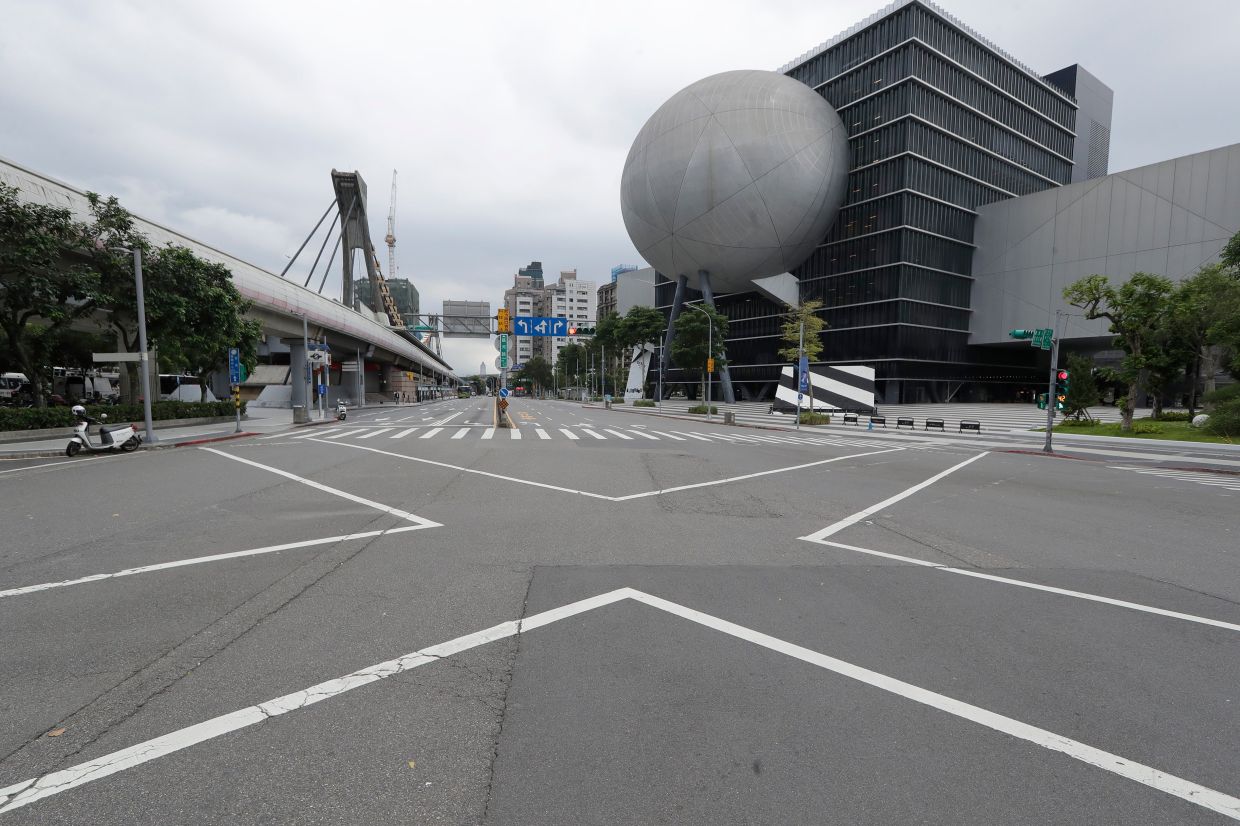
Taiwan's telecommunications network ground nearly to a halt on August 13 as the island conducted one of its most disruptive civil defence exercises yet, deliberately throttling mobile internet speeds to 256 Kbps across Taipei and six surrounding cities and counties. The move represented the culmination of Han Kuang drills that commenced the previous week—annual military exercises designed to test the island's readiness against potential conflict. By reducing mobile data to text-only speeds, ordinary residents encountered genuine inconvenience for the first time in years, a sharp departure from previous drills that largely went unnoticed by the public.
The deliberate internet slowdown forced telecommunications operators across the island to restrict mobile web traffic to speeds typically associated with early 2000s connectivity. Where residents normally enjoy high-speed 5G networks in major urban centres, users found themselves unable to stream video, access photo-heavy websites, or perform any task requiring meaningful bandwidth. This artificial constraint turned routine digital interactions into exercises in patience, transforming the drill from a theoretical exercise into something that directly affected millions of daily commuters, office workers, and students.
President Lai Ching-te acknowledged the disruption but framed it as a necessary component of national security preparation. His public apology emphasised that Taiwan's circumstances demanded realistic testing of civilian infrastructure and public response. The president's intervention underscored the political sensitivity of imposing such tangible inconvenience on citizens, yet also reflected government determination to move beyond symbolic drills that failed to engage the broader population.
This year's Han Kuang exercises represented a fundamental restructuring of Taiwan's approach to civil defence. Rather than limiting participation to military personnel and professional emergency responders, planners incorporated reservists and substantial civilian populations into realistic scenarios. Coordination with local governments transformed the drills from isolated military operations into territory-wide exercises that tested how civilian society would function during sustained tension or conflict. The internet throttling exemplified this new philosophy: if telecommunications networks might face degradation during an actual emergency, citizens needed practical experience adapting to such conditions.
Previous urban resilience drills in Taipei had achieved minimal disruption, rendering them largely invisible to ordinary residents. Air raid simulations in metro stations, for instance, proceeded quietly without interrupting passenger flow or generating public awareness. Such exercises satisfied military requirements for procedural testing but failed to prepare civilian populations for the psychological and logistical challenges of genuine emergencies. By contrast, the August 13 drills forced millions to confront directly what network degradation would actually mean for their daily lives.
At Taipei's metro stations, the drill manifested in more visceral ways than mere internet slowdown. Station gates were physically sealed during air raid simulations, trapping passengers inside for approximately thirty minutes as part of the exercise protocol. Allen Hsieh, a tourist visiting from Hong Kong, found himself among those detained. Despite the inconvenience and uncertainty, Hsieh expressed appreciation for the drill's authenticity, noting that he had anticipated receiving only text messages rather than experiencing such comprehensive operational disruption. His remarks reflected a wider public recognition that Taiwan faces genuine security pressures warranting serious preparedness measures.
The shift toward more demanding civil defence exercises reflects Taiwan's evolving strategic assessment. Cross-strait tensions have intensified significantly in recent years, with military analysts increasingly anticipating that any serious conflict would target civilian infrastructure alongside military facilities. Internet and telecommunications networks represent critical vulnerabilities that adversaries would likely exploit. Preparing civilians for such contingencies requires moving beyond theoretical scenarios toward practical experience with degraded conditions and operational constraints.
Hospitals participated in the drills by simulating emergency protocols for relocating critical operations to underground facilities. President Lai toured such facilities to observe firsthand how medical institutions would maintain operations during sustained attacks or bombardment. These hospital exercises underscored that civil defence extends far beyond individual household preparedness—entire institutional ecosystems require rehearsal of contingency procedures to ensure continuity of essential services.
The incorporation of realistic disruption into Han Kuang drills signals Taiwan's institutional commitment to treating civil defence as an urgent, ongoing priority rather than a ceremonial obligation. By deliberately inconveniencing millions of residents, authorities demonstrated that preparedness trumps comfort in the island's current strategic environment. The exercises also served an implicit educational function, familiarising the population with the practical realities of degraded infrastructure while building psychological resilience for potential future emergencies.
For Southeast Asia more broadly, Taiwan's evolving approach to civil defence offers instructive lessons. Regional nations facing their own security challenges increasingly recognise that civilian preparedness requires substantive disruption rather than symbolic gestures. Taiwan's example suggests that effective civil defence demands public participation secured through realistic drills that expose vulnerabilities and train populations in adaptation strategies. As geopolitical tensions persist across Asia, Taiwan's willingness to impose tangible costs on ordinary citizens for exercise purposes may presage broader regional shifts toward more demanding emergency preparedness standards.
The August drills also reflected Taiwan's determination to demonstrate social cohesion and institutional capability to both domestic audiences and international observers. By successfully coordinating massive simultaneous operations across multiple cities involving millions of civilians, telecommunications providers, hospitals, local governments, and military units, Taiwan projected an image of a society taking its security seriously. Such visible preparation can itself serve deterrent purposes, signalling to potential adversaries that the island possesses both the institutional capacity and public resolve to sustain operations under extreme stress.

