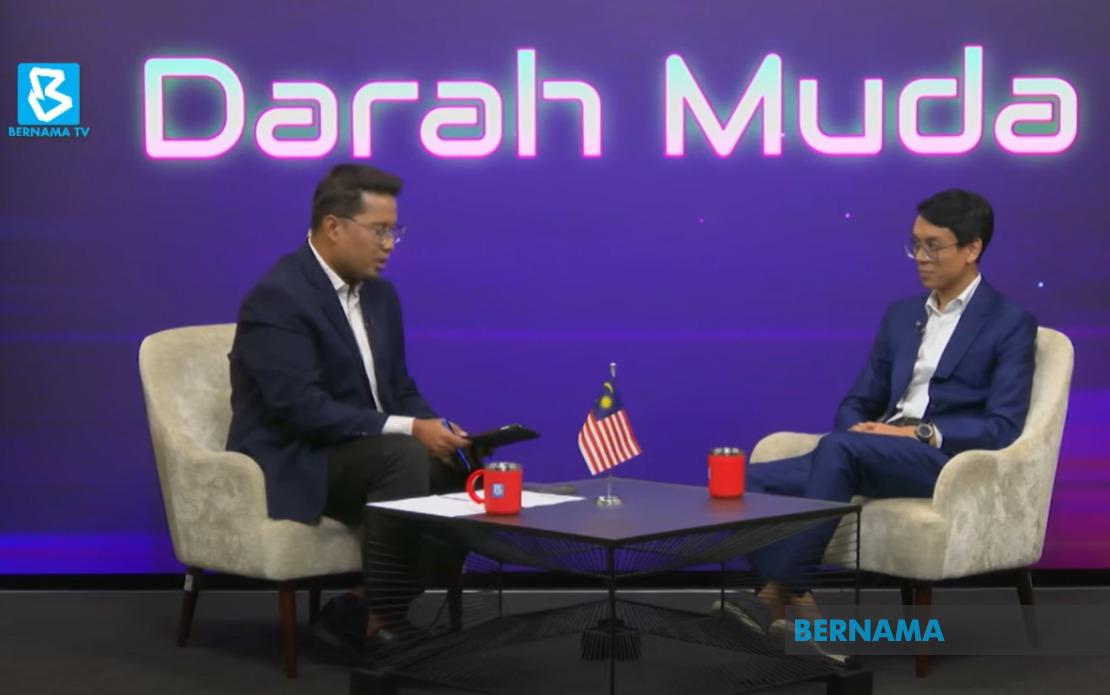
Addressing concerns about Lembaga Tabung Haji's troubled history, experts are calling for fundamental reforms centred on institutional competence and transparent governance to safeguard the institution's future and protect millions of Malaysian depositors. The emphasis on leadership quality and financial expertise represents a critical shift in how policymakers are approaching the challenges that plagued the Hajj savings fund, moving beyond surface-level recovery measures to tackle deep structural problems revealed by the Royal Commission of Inquiry.
Mohamad Ikmal Ahmad Nordin, a data analyst with IKRAM Malaysia's Economic Agenda Team, stressed that any examination of Tabung Haji's past difficulties must go beyond acknowledging problems and instead rigorously investigate underlying causes. While the institution has embarked on recovery initiatives, these efforts risk failure without addressing the fundamental gaps in leadership capacity and organisational oversight that contributed to earlier crises. The RCI report's findings, he argues, should serve as a blueprint for comprehensive reform rather than a collection of isolated issues to be resolved piecemeal.
Critically, experts highlight that Tabung Haji operates at the intersection of two distinct functional domains—managing religious pilgrimage affairs and serving as a sophisticated financial institution managing substantial assets and investments. This dual mandate demands leadership with sophisticated expertise across both spheres. The current governance model, which may prioritise religious or administrative credentials, falls short when managing complex investment portfolios and financial instruments that form the backbone of the institution's operations. Filling senior positions with individuals lacking foundational knowledge of accounting, financial analysis, or asset management inevitably creates blind spots that create opportunities for mismanagement.
The solution, according to experts, involves deliberately recruiting personnel with specialised financial backgrounds—fund managers, certified accountants, and actuaries—to steer the institution's financial operations. These professionals would bring technical rigour and accountability to investment decisions, portfolio management, and risk assessment. Simultaneously, religious and Hajj-related functions could be redistributed to established agencies such as the Department of Islamic Development Malaysia (JAKIM) or the relevant ministerial portfolio, creating clearer lines of responsibility and leveraging existing expertise rather than forcing one institution to excel across incompatible domains.
For Malaysian Muslims, particularly younger generations saving for the Hajj pilgrimage, the quality of Tabung Haji's governance has immediate practical implications. Better financial stewardship creates the foundation for innovative schemes that could reduce the financial barriers to performing the Hajj—a religious obligation that many Malaysians find increasingly difficult to afford. Young savers recognise acutely how expensive the pilgrimage has become and understand viscerally the value proposition that Tabung Haji is supposed to deliver. Restoring their confidence requires demonstrable improvements in how the institution manages their contributions and invests their savings.
Rebuildling public trust demands that Tabung Haji explicitly refocus on its core mandate: facilitating Hajj for Malaysian Muslims across all income levels. This clarity of purpose, combined with transparent financial reporting and expert governance, would distinguish the reformed institution from its troubled past. The younger generation's engagement proves essential here—they must actively advocate for governance standards that serve their interests and hold leadership accountable to modern financial management practices.
The forensic audit process deserves particular emphasis in any reform strategy. Thorough examination of Tabung Haji-related companies and historical transactions can illuminate both how funds were misused and which individuals or entities benefited from irregular practices. This investigative transparency addresses not merely what went wrong but establishes accountability for past failures. Without such forensic rigour, problematic patterns risk repeating as institutional actors operate with confidence that shortcomings will be overlooked or minimised.
Malaysia's experience with Tabung Haji resonates across Southeast Asia, where similar pilgrim savings funds exist in other Muslim-majority nations. The region watches how Malaysia resolves governance and leadership challenges at its flagship institution. A credible recovery model based on expert financial leadership and institutional transparency could offer lessons for regional peers struggling with comparable issues.
The pathway forward requires political will to implement governance reforms even when they involve redistributing functions across government agencies or recruiting external expertise rather than promoting from within existing structures. It demands accepting that managing a multi-billion ringgit financial institution demands specific professional qualifications, regardless of traditional advancement patterns. Most importantly, it necessitates systems designed to prevent future crises through structural safeguards rather than reacting to catastrophes after they occur. For Malaysia's millions of Tabung Haji depositors, particularly those planning their religious journeys, such reforms represent not mere administrative adjustments but essential protections of their religious aspirations and financial security.

