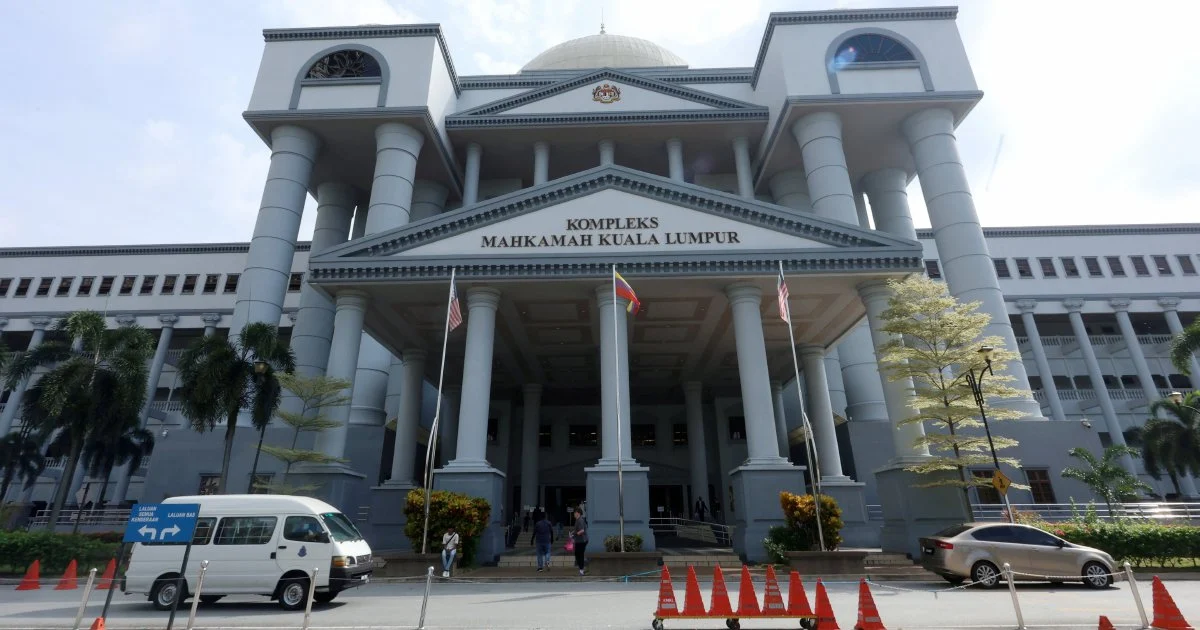
The head of a government-linked statutory organisation will appear before the Sessions Court in Kuala Lumpur today to answer seven separate corruption charges relating to the alleged solicitation and receipt of kickbacks surpassing RM1 million in connection with sports facility development and construction projects.
This case represents another significant instance of alleged high-level graft within Malaysia's public administration framework. Such prosecutions underscore the ongoing challenges faced by authorities in maintaining integrity within statutory bodies that manage substantial public resources and oversee major infrastructure initiatives. The involvement of a chief executive officer—a position commanding considerable discretionary power over procurement decisions and project awards—amplifies concerns about governance failures at institutional leadership levels.
The RM1 million threshold cited in the charges indicates the scale of the alleged misconduct. Bribes of this magnitude typically involve collusion between government officials and contractors or vendors seeking preferential treatment in bidding processes, contract awards, or project implementation. The sports facility context suggests the accused may have leveraged his authority over venue development, renovation, or maintenance contracts to extract payments from interested parties.
Statutory bodies in Malaysia occupy a unique position within the public sector architecture. Operating with varying degrees of autonomy from direct ministerial oversight, these organisations frequently manage budgets running into hundreds of millions of ringgit. When their leadership becomes compromised, the consequences extend beyond individual misconduct to systemic vulnerabilities that enable further corrupt practices and discourage legitimate business participation in procurement processes.
The decision to prosecute under seven separate charges rather than a single consolidated indictment suggests prosecutors believe they have identified distinct instances of unlawful solicitation or acceptance. Each count would typically represent an individual transaction or agreement, allowing courts to assess culpability across multiple occasions and demonstrating a pattern of behaviour rather than isolated lapses in judgment.
Sports facility development has emerged as a recurring flashpoint for corruption investigations across Southeast Asia and beyond. The combination of substantial capital expenditure, technical complexity, and subjective quality assessment creates environments where officials can justify inflated costs and unjustifiable contract awards. Furthermore, the relatively discrete number of major contractors in sports construction creates conditions where established relationships between officials and suppliers can be leveraged for illicit advantage.
The timing and nature of such prosecutions carry broader implications for Malaysia's institutional credibility. Observers both domestically and internationally monitor whether authorities pursue such cases consistently and rigorously regardless of the seniority of the accused. Successful prosecution of a statutory body chief executive sends powerful signals about governance expectations and the consequences of breach of fiduciary duty.
For Malaysian readers and businesses, this case illuminates persistent vulnerabilities within public procurement frameworks. Companies bidding for government contracts—whether through statutory bodies or ministries—operate within environments where corrupt competitors may enjoy artificial advantages. This distorts competition, inflates taxpayer costs, and diverts resources from productive economic activity toward illicit enrichment.
The statutory body sector encompasses diverse organisations managing everything from infrastructure to development finance. The apparent integrity failure at executive level raises questions about internal control mechanisms, audit functions, and board oversight across the broader institutional landscape. Stakeholder confidence—from legitimate contractors to funding partners—depends on visible commitment to transparency and accountability.
Regional context matters here as well. Southeast Asian nations increasingly compete for foreign direct investment and international development partnerships. Credible prosecution of public sector corruption signals commitment to governance standards that international investors and development partners expect. Conversely, perception of impunity at senior levels can undermine investor confidence and complicate regional trade relationships.
The alleged bribes' connection to sports facilities warrants scrutiny of procurement practices within that portfolio specifically. Major sporting events, Olympic preparations, and national sports complexes have historically featured in corruption cases across Asia. Establishing robust oversight mechanisms for sports-related capital projects—particularly those involving statutory bodies with specialised mandates—should feature prominently in institutional reform discussions.
Moving forward, this case may catalyse reviews of how statutory bodies recruit, appoint, and monitor their executive leadership. Enhanced vetting procedures, strengthened internal audit mechanisms, and improved whistleblower protections could reduce opportunities for abuse. The court's eventual judgment will provide important precedent for evaluating culpability in similar public sector corruption cases involving complex procurement arrangements and substantial sums.

