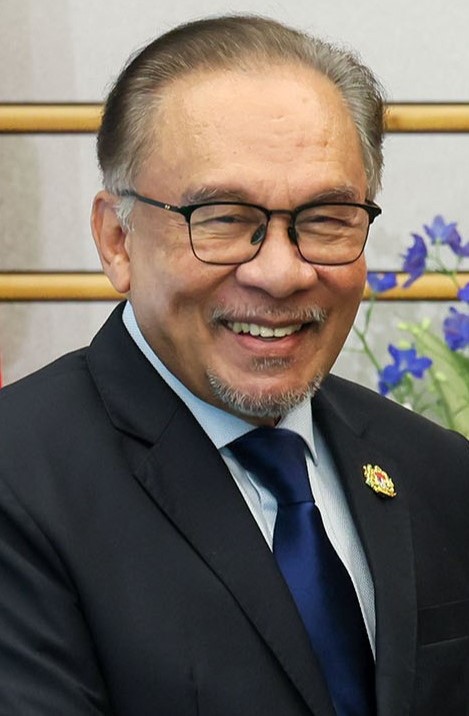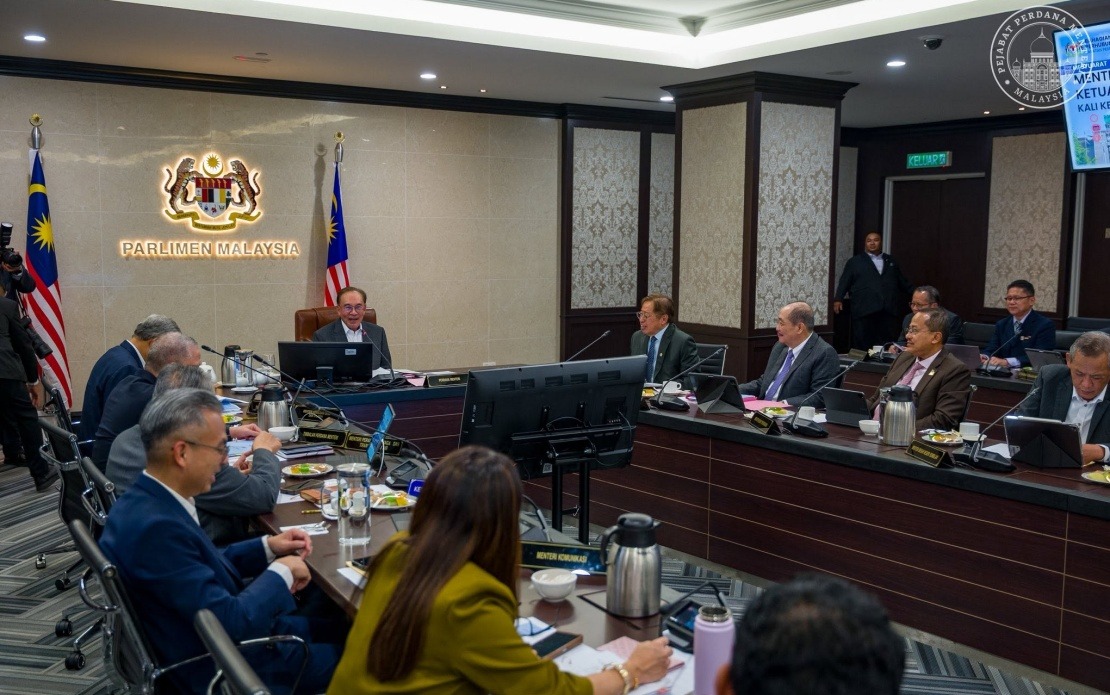
Prime Minister Datuk Seri Anwar Ibrahim brought together Malaysia's state leadership at Parliament Building in what has become the 149th gathering of Menteris Besar and Chief Ministers, directing the forum's attention toward reinvigorating the nation's economic trajectory. The session addressed the cascading consequences of regional tensions affecting global commerce while seeking consensus among federal and state administrations on a unified approach to development and prosperity.
Central to the discussions was Malaysia's economic resilience in the face of international turbulence, particularly stemming from escalating conflicts in West Asia. These geopolitical flashpoints have created ripple effects throughout global supply chains and financial markets, presenting challenges that domestic policymakers must navigate carefully. The gathering reflected recognition that coordinated action between Kuala Lumpur and state capitals is essential for mitigating economic shocks that might otherwise undermine growth targets and investor confidence.
Beyond immediate economic concerns, the leadership collective examined Malaysia's readiness for the El Niño phenomenon, a climatic pattern expected to materialize with significant consequences for the nation's essential services and productive sectors. Water supply systems, agricultural output, and food security emerged as particular vulnerabilities requiring proactive management. The phenomenon also threatens to intensify heat stress and air quality deterioration, with haze events potentially disrupting economic activity and public health across the region.
Anwar emphasized that responses to these multifaceted challenges must transcend sectoral silos and departmental boundaries. The government's policy architecture, he stressed, should operate with greater integration, ensuring that initiatives reinforce one another rather than duplicating effort or creating contradictions. This integrated approach extends beyond technical efficiency to encompassing a people-centric framework, where development outcomes directly improve the living standards and economic opportunities available to Malaysian citizens across all demographics and geographic regions.
The prime minister highlighted that strengthening Malaysia's economic competitiveness remains paramount, particularly given the uncertain international environment. The nation must position itself attractively for foreign direct investment while ensuring such capital inflows bring tangible benefits—technology transfer, skills development, employment creation—rather than merely extractive gains. Quality investments, as distinct from purely quantitative targets, reflect a maturing economic strategy focused on sustainable growth trajectories.
A significant dimension of the meeting involved reaffirming the cooperative framework between federal and state governments. Malaysia's constitutional structure distributes significant powers to states across agriculture, land management, and local economic development, making genuine partnership essential for national economic objectives. The consensus-building approach underscores that central directives lacking state buy-in frequently falter during implementation, whereas coordinated strategies command resources and administrative capacity more effectively.
The discussions acknowledged that Malaysians across the federation expect government at all levels to operate cohesively and transparently in their service. Economic benefits must genuinely percolate to communities in both developed urban centers and less industrialized regions, reducing disparities that can fuel social tensions. This emphasis on inclusive development reflects lessons from previous planning cycles where growth concentrated geographically or demographically while certain populations experienced stagnation.
For Malaysia's standing in Southeast Asia, such high-level coordination carries additional significance. The region faces common threats from climate volatility, regional geopolitical competition, and economic restructuring as global trade patterns evolve. When Malaysia demonstrates institutional capacity to formulate coherent responses at the federal-state level, it strengthens the nation's voice in regional forums like ASEAN and enhances its attractiveness to multinational corporations evaluating investment locations across competing jurisdictions.
The El Niño dimension particularly resonates across the region, as neighboring countries likewise face water scarcity, agricultural stress, and intensified competition for resource security. Malaysia's preparations—whether through water management infrastructure, agricultural adaptation strategies, or energy security arrangements—will be scrutinized by regional observers as indicators of governance effectiveness. Successfully managing such challenges reinforces investor confidence that Malaysia possesses the administrative apparatus to navigate foreseeable crises.
Moving forward, the coordination signals issued from this gathering will filter through state administrations and federal agencies, shaping everything from budget allocations to regulatory frameworks to infrastructure development priorities. The success of this united approach will ultimately be measured not in rhetorical emphasis on togetherness but in concrete outcomes: sustainable job creation, improved public services, enhanced environmental resilience, and demonstrable improvements in household incomes and living standards.
The gathering reflects a broader recognition across Malaysia's political establishment that navigating contemporary economic complexity demands sophisticated coordination rather than insular decision-making. Whether dealing with external shocks like regional conflicts or internal vulnerabilities like climate sensitivity, the federation's capacity to mobilize unified responses will substantially determine its economic trajectory in coming years.