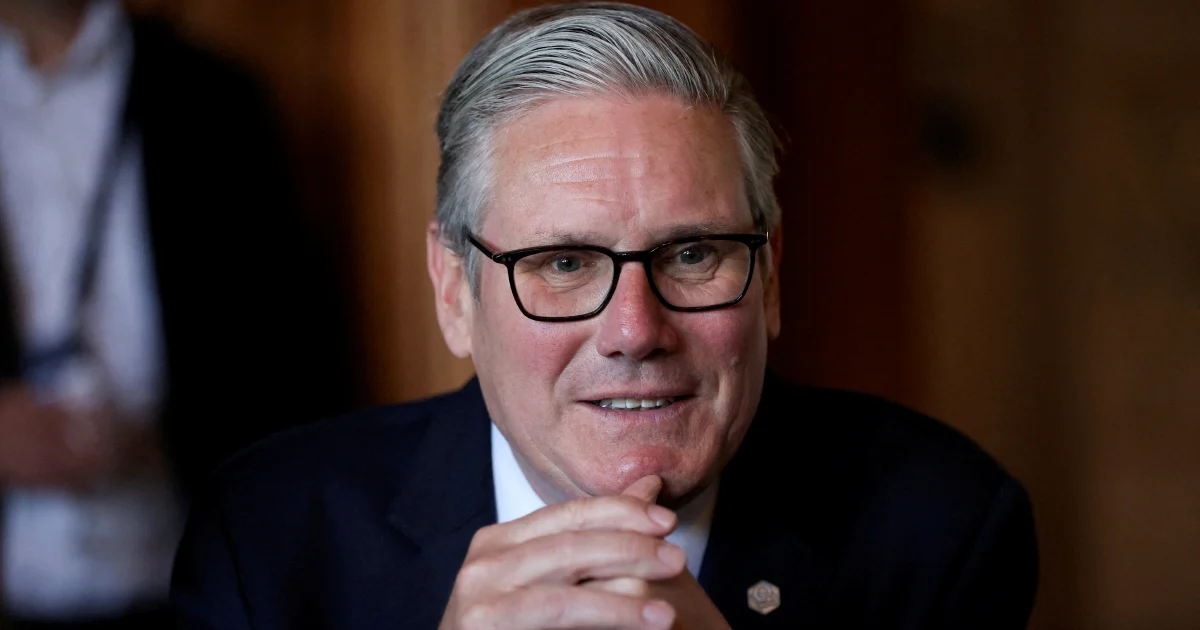
Speculation about the future of British Prime Minister Keir Starmer intensified on Monday when The Observer newspaper reported that the Labour leader was preparing to step down and outline a departure schedule. However, a spokesperson from the British government immediately contradicted these claims, asserting that Starmer continues to maintain his focus on the responsibilities of his office and remains committed to leading the nation's governance efforts.
The timing of such reports is significant within the broader context of recent British political developments. Starmer has faced considerable scrutiny and mounting challenges since Labour's election victory, which has gradually eroded public confidence and internal party support. The suggestion that he might be contemplating resignation signals the depth of difficulties confronting the Prime Minister, even as his administration attempts to project an image of stability and determined governance.
Government sources pushing back against the resignation narrative suggests an attempt to contain what could quickly become a damaging story if left unchallenged. By immediately denying the reports and emphasising Starmer's continued focus on ministerial duties, the administration seeks to prevent further speculation that could destabilise financial markets, undermine investor confidence, and deepen divisions within the Labour Party. Such rapid response protocols are standard practice when senior leadership faces unexpected media pressure regarding their tenure.
For Malaysian and Southeast Asian observers of British politics, this episode illustrates the fragility of political mandates even after significant electoral victories. Starmer's situation demonstrates how quickly parliamentary majorities can face pressure when economic conditions deteriorate, policy implementation falters, or internal party cohesion breaks down. These dynamics have resonance across the region, where newly elected governments frequently encounter comparable challenges in sustaining popular support.
The broader political atmosphere in Westminster has become increasingly turbulent in recent months. Labour's substantial parliamentary advantage has not translated into widespread public enthusiasm, and various policy decisions have generated criticism from both opposition MPs and backbench Labour members. This internal friction, combined with external pressures stemming from economic headwinds and public service challenges, creates an environment where senior political figures become vulnerable to resignation speculation.
Media reports such as The Observer's account typically emerge from multiple sources within government or party structures, suggesting that someone with knowledge of high-level discussions believed resignation was a genuine possibility. Whether Starmer personally initiated such conversations or whether they occurred among advisors and senior colleagues remains unclear. The strategic timing and specific nature of the reporting indicate this represents more than mere gossip, though government denials should not be entirely discounted.
For the British economy and international relations, uncertainty regarding leadership creates short-term complications. Investors and trading partners prefer clarity about who will be making decisions. Prolonged speculation about potential leadership transitions can affect currency valuations, borrowing costs, and business confidence. This dynamic particularly matters for Malaysia and other Commonwealth nations that maintain significant economic and diplomatic ties with the United Kingdom.
The resilience Starmer displays in such circumstances will likely determine whether these reports represent a temporary media storm or signal the beginning of more serious political difficulties. Previous British Prime Ministers have weathered similar speculation and continued in office, while others have indeed resigned or been forced from power within months of such initial reporting. The trajectory depends on whether underlying causes of political pressure—policy failures, economic deterioration, or party management issues—are addressed or instead continue to accumulate.
Labour Party dynamics will play a crucial role in shaping Starmer's political future. Should significant backbench dissatisfaction or demands for his replacement emerge from within parliamentary Labour ranks, his position could become genuinely untenable regardless of his personal determination to continue. Conversely, if the party closes ranks and projects unity, Starmer can more credibly dismiss external resignation speculation as media invention without basis.
The contrast between The Observer's reporting and government denial reflects the reality that political leadership decisions remain fundamentally contested terrain in democracies. Speculation about resignations serves a particular function in parliamentary systems—it tests whether leaders retain sufficient support to weather crises and maintains public discourse about accountability. Yet such reports also create self-fulfilling pressures that can eventually contribute to the very outcomes they initially predicted.
For observers across Southeast Asia monitoring British politics, this episode underscores enduring patterns of governance challenge. Even wealthy, established democracies with strong institutions experience leadership instability when popular support erodes and policy implementation struggles. The coming weeks will likely determine whether Starmer has sufficient political capital to move beyond resignation speculation or whether these reports represent early warning signs of more fundamental difficulties ahead.

