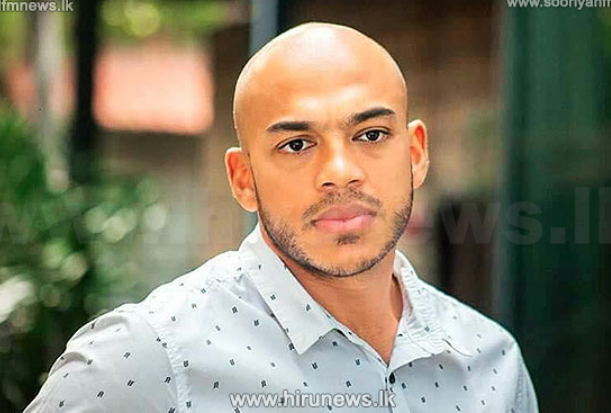
The son of Sri Lanka's former president has been taken into custody following investigations into alleged misappropriation of public funds, marking another significant development in the country's ongoing campaign against the Rajapaksa clan. Yoshitha Rajapaksa, aged 38, faced arrest on Wednesday by authorities acting on charges spanning improper recruitment practices and the unauthorised use of government money for international training programmes during his service as a naval officer. The Bribery Commission confirmed the detention and outlined the specific allegations underpinning the case, which relates to his advancement through military ranks despite lacking requisite professional qualifications.
Central to the investigation is Rajapaksa's attendance at a prestigious course at Dartmouth, Britain's leading naval academy, funded entirely through state resources when his father held the presidency. The arrangement drew considerable public criticism at the time, with opponents arguing that the opportunity represented unfair preferential treatment and displaced a qualified naval cadet whose selection would have been merit-based. Investigators have established that the younger Rajapaksa was promoted beyond positions he was formally qualified to occupy, a pattern suggesting systemic abuse of familial privilege within military advancement structures.
The arrest follows an extended period of legal vulnerability for the 38-year-old. Prior to his detention, Rajapaksa had been released on bail while facing two separate money-laundering prosecutions. Additionally, authorities had previously imposed restrictions preventing him from travelling abroad, an indicator of their confidence in the strength of accumulated evidence against him. His current arrest effectively transitions him from the bail system into direct custody pending further court proceedings and formal charges.
Beyond the immediate overseas training allegations, Rajapaksa confronts substantial financial scrutiny. Prosecutors are examining his acquisition of residential property during his father's 2005-2015 presidency, particularly focusing on his inability to satisfactorily document the financial sources funding the purchase. During questioning, the accused claimed that he had obtained capital through the sale of gemstones allegedly given to him by his grandaunt. However, this explanation has proven problematic, as the elderly relative herself cannot account for how she originally obtained the valuable stones, creating an unresolved chain of custody that authorities view with considerable suspicion.
A parallel investigation involves Rajapaksa's purchase of a television network, another transaction generating official concern about potential money laundering or improper enrichment. The accumulation of these separate but interconnected cases paints a portrait of financial conduct that authorities believe warrants criminal prosecution. Taken collectively, the investigations suggest a pattern where state resources and preferential treatment allegedly facilitated personal advancement and financial gain.
The intensification of legal action against Rajapaksa must be understood within the context of Sri Lanka's recent political transformation. Following the September 2024 presidential election, Anura Kumara Dissanayake assumed office on an explicit anti-corruption mandate, pledging systematic prosecution of high-level offenders regardless of political connections. This electoral shift has fundamentally altered the political calculus surrounding accountability for the Rajapaksa family, enabling law enforcement agencies previously constrained by political considerations to pursue investigations with renewed vigour.
The broader Rajapaksa family continues facing multiple criminal allegations spanning decades and encompassing various offences. Beyond Yoshitha, numerous relatives and political associates have been charged with corruption, financial crimes, and in some instances homicide. These prosecutions have remained stalled within the court system, reflecting both the complexity of cases involving powerful defendants and potential institutional resistance to challenging established elites. The election of President Dissanayake has accelerated proceedings and emboldened prosecutors to pursue charges that might have languished previously.
Particularly significant among ongoing family cases is that involving Mahinda Rajapaksa's younger brother, Gotabaya, who served as president from 2019 until 2022. Gotabaya's tenure ended in his forced departure from office following a popular uprising driven by catastrophic economic deterioration and mass suffering. Recently, authorities imposed a foreign travel restriction on Gotabaya while he petitions the court for protective measures against potential arrest. Specifically, he seeks legal intervention to prevent prosecution related to the 2019 Easter Sunday bombings, a series of coordinated attacks on churches and hotels that claimed 279 lives and traumatised the nation.
The persecution of former leaders and their associates raises important questions about transitional justice and democratic accountability in Sri Lanka. While the rigorous prosecution of corruption and financial crimes represents legitimate governance objectives that resonate with Southeast Asian audiences accustomed to similar elite capture dynamics, the selective nature of enforcement warrants careful scrutiny. The concentration of legal action against a single family, while potentially members of rival political factions escape prosecution, could indicate politically motivated prosecution rather than impartial justice administration.
For Malaysia and the broader region, Sri Lanka's experience offers instructive parallels. Both nations have confronted challenges of entrenched political dynasties leveraging state resources for personal advantage, and both have attempted accountability mechanisms with varying degrees of success and consistency. The Malaysian experience with task forces investigating previous administrations demonstrates how prosecutorial momentum can shift dramatically with political transition, sometimes advancing legitimate accountability and sometimes reflecting partisan advantage. Sri Lanka's current trajectory suggests that sustained institutional reform, rather than election-dependent enforcement cycles, represents the more reliable pathway to genuine anti-corruption progress.
The Rajapaksa prosecution efforts also underscore the vulnerability of privileged individuals once political protection dissolves. Yoshitha's arrest demonstrates that former prestige and family connections provide insufficient insulation against accountability once political winds shift fundamentally. Whether such accountability proves durable or reverses again with future electoral changes remains an open question, particularly given the historical pattern of Sri Lankan prosecutions targeting defeated political adversaries while incumbent elites escape scrutiny. The depth and consistency of the current investigations will ultimately determine whether this represents genuine systemic change or cyclical retribution.

