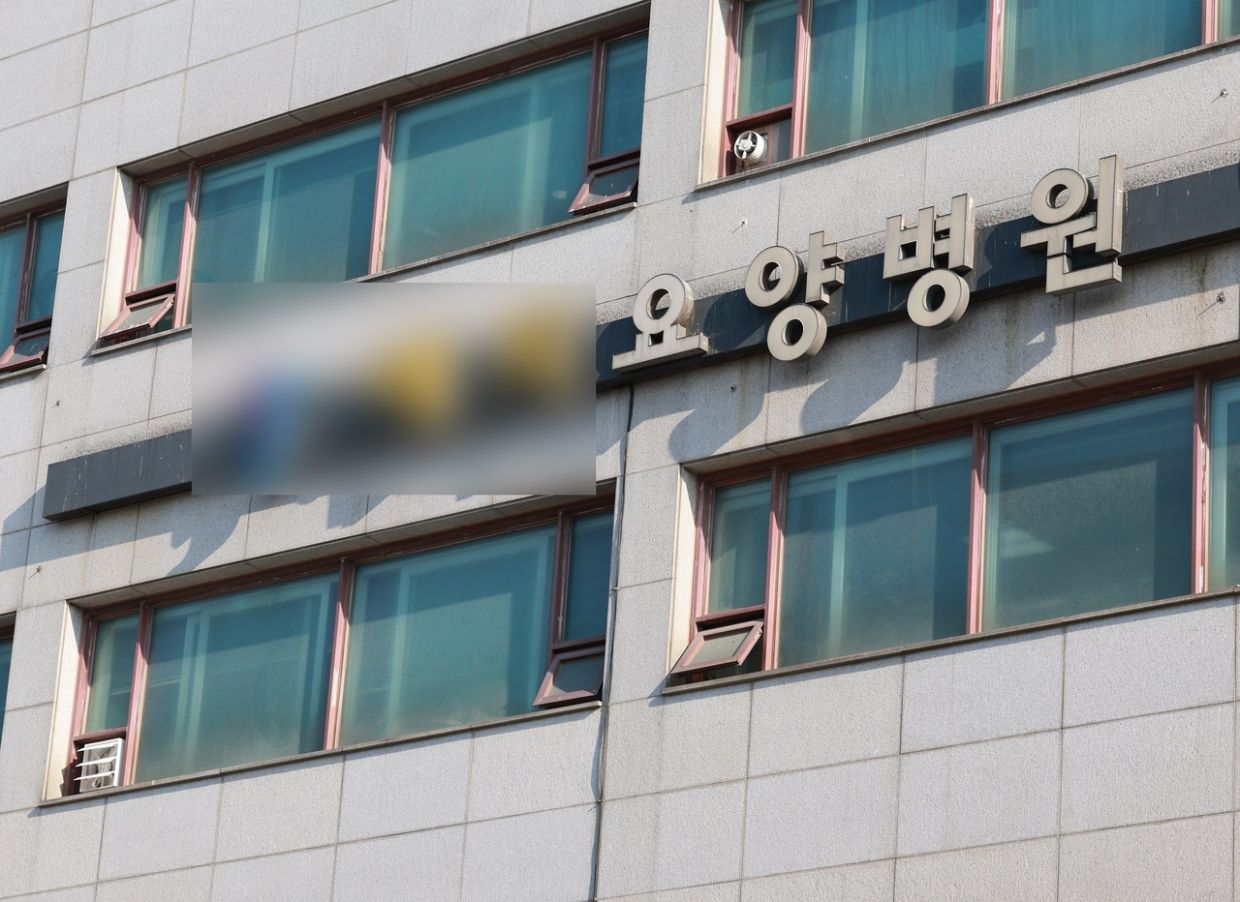
South Korean police have determined that a human leg found at a recycling centre in Incheon last week was inadvertently thrown away by a local nursing hospital, resolving the mystery surrounding the discovery. Officers at the Incheon Yeonsu Police Station confirmed on Friday, June 19, that the limb had belonged to an elderly female patient in her 80s who underwent amputation at a Jung-gu facility. The incident has sparked a formal investigation into potential violations of South Korea's waste management and medical practice laws, raising fresh questions about hospital safety protocols and staff training.
The leg was originally discovered on June 10 at approximately 2:28 pm at the Southern Regional Resource Recovery Centre, triggering immediate police involvement and forensic examination. Initial categorisation identified it as medical waste, but a cleaning staff member in their 60s reportedly confused the amputated limb with a mannequin part and disposed of it alongside regular recyclable materials. This critical error in segregation represents a significant breach of established hospital protocols, which require medical waste to be handled through separate, specially designated containers managed according to government regulations.
Forensic analysis by the National Forensic Service proved instrumental in solving the case. Initial examination confirmed the leg belonged to an adult, prompting investigators to contact the Jung-gu hospital where staff voluntarily reported that the missing limb likely originated from their facility. Subsequent DNA testing matched the tissue to the female patient, establishing definitive proof of ownership and resolving any uncertainty about the limb's origins. Crucially, the forensic findings also determined that no criminal activity or foul play was involved in the limb's separation or disposal.
Despite the absence of malicious intent, the hospital faces potential legal accountability under South Korea's Wastes Control Act, which establishes strict requirements for medical waste disposal. The legislation mandates that all medical waste be segregated and discarded in government-approved containers, a requirement that was clearly breached in this instance. Police are currently investigating whether the hospital adhered to relevant legal provisions when disposing of the amputated leg, examining procedural failures at the institutional level rather than focusing solely on individual staff negligence.
The investigation has expanded to encompass broader concerns about the hospital's operations and medical practices. Authorities are reviewing whether the facility complied with the Medical Service Act during the amputation procedure itself, suggesting questions about the legitimacy of the surgery. Allegations have emerged that the nursing hospital lacked the necessary medical equipment and facilities to perform amputations, though police have not issued definitive statements on this matter. This wider inquiry signals potential systemic issues that extend beyond simple waste management lapses.
Background information provided by the patient's family sheds light on the circumstances that led to her admission to the Jung-gu facility. The family indicated that the elderly woman was referred to the nursing hospital after other medical institutions declined to admit her, citing her deteriorating health condition as a limiting factor in their capacity to provide appropriate care. This situation reflects broader challenges within South Korea's healthcare system, where nursing facilities often serve as alternatives for patients with complex conditions that general hospitals are reluctant to manage. The family's decision underscores the difficult position families face when seeking appropriate medical care for elderly relatives with serious health complications.
Police officials have acknowledged the complexity of determining appropriate penalties under existing legal frameworks. During a statement to reporters, investigators noted that specific criminal punishment clauses within the Medical Service Act remain unclear in relation to the circumstances of this case. Rather than proceeding unilaterally, authorities have committed to consulting with multiple stakeholders including the Korean Medical Association, the Ministry of Health and Welfare, and legal experts before finalising their conclusions. This methodical approach suggests the case may establish important precedents for how South Korea handles similar incidents involving medical waste mishandling.
The incident raises significant implications for hospital safety standards and staff accountability across South Korea's healthcare sector. The confusion that led to the amputated leg being discarded demonstrates potential vulnerabilities in staff training and waste segregation procedures at healthcare facilities. For Malaysian readers and healthcare professionals in Southeast Asia, the case highlights the importance of robust institutional protocols governing hazardous medical waste, regardless of facility size or specialisation. Many regional hospitals operate under similar regulatory frameworks, making this case study relevant to understanding compliance challenges.
This incident also reflects broader regulatory concerns within South Korea's medical waste management system. Despite existing legal requirements, the case demonstrates that enforcement mechanisms may inadequately ensure consistent compliance across all healthcare facilities. The investigation's focus on consulting multiple government bodies and professional associations indicates that current regulations may require clarification or supplementation to address gaps exposed by this incident. Healthcare administrators across the region should consider this case as a cautionary example of how institutional failures in basic procedures can escalate into investigations with significant legal and reputational consequences.
The ongoing investigation underscores the importance of institutional accountability in healthcare delivery. As authorities work toward conclusions regarding potential violations, the hospital in question faces reputational damage and possible legal sanctions that extend beyond financial penalties. For nursing facilities and smaller hospitals that often struggle with resource constraints, the case demonstrates the critical necessity of maintaining rigorous waste management standards regardless of operational challenges. The involvement of multiple regulatory bodies suggests South Korean authorities are treating this seriously as a systemic issue rather than an isolated mistake by a single staff member.

