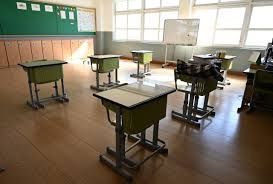
Police on South Korea's Jeju Island have launched an investigation into a high school student accused of repeatedly entering an elementary school teacher's classroom and leaving semen and urine, with the case raising questions about school security and student behavioural issues in the region. The Seogwipo Police Station disclosed the allegations on June 16, confirming that the suspect—a pupil at a nearby high school—allegedly carried out the incidents at an elementary school located in close proximity to his own campus.
The first incident occurred in April when the student reportedly sneaked into the target teacher's classroom and contaminated a personal tumbler belonging to the educator. The violation appeared calculated and deliberate, suggesting premeditation rather than a spontaneous act. The student returned to the same location on June 4 and escalated his actions, urinating on the teacher's chair before fleeing the premises. This second incident prompted school authorities to take the matter seriously and report both cases to local law enforcement, recognising the severity of what appeared to be a pattern of harassment.
Investigators relied on school surveillance systems to identify the culprit, reviewing CCTV footage captured in the corridor area outside the classroom. The video evidence proved crucial in tracking the suspect's movements and confirming his identity. Officers apprehended the student on June 8 on charges of property damage and trespassing. The relatively swift identification and arrest suggests that security camera infrastructure at Jeju Island schools may be reasonably comprehensive, though questions linger about whether classroom access should have been restricted more effectively.
During police interrogation, the student provided an explanation that deflected from the apparent nature of the incidents. He claimed he had entered the classroom while searching for a restroom and denied knowing the teacher, further asserting that his actions carried no sexual motivation whatsoever. This account, however, sits uneasily with the deliberate nature of the contamination and the deliberate return visit, elements that investigators say they are actively scrutinising as they build their case.
The Jeju Teachers' Union responded to the incidents by calling for a comprehensive investigation and highlighting the psychological toll on the affected educator. The teacher has reportedly been unable to return to her classroom due to severe emotional distress stemming from the repeated violations of her workspace. This outcome underscores how such incidents can have lasting impacts on victims' professional lives and mental wellbeing, extending far beyond the initial act. The union's intervention reflects growing concern among educators about workplace safety and dignity in South Korean schools.
Police have indicated they are pursuing multiple investigative angles, particularly focusing on whether the acts were sexually motivated and whether they were deliberately directed at a specific individual. Establishing motive is crucial to determining appropriate charges and understanding the student's psychological state. Investigators are preparing to seek legal warrants to access the student's mobile phone, computer, and other digital devices, recognising that digital evidence may reveal communications, searches, or other materials that illuminate his intentions and whether similar incidents may have occurred elsewhere.
The case raises significant implications for Southeast Asian school administrators grappling with student conduct challenges and campus security. While South Korea maintains one of Asia's most advanced education systems, incidents like this demonstrate that behavioural problems can emerge across all contexts and socioeconomic backgrounds. For Malaysian educators and school officials, the situation serves as a cautionary example of the importance of robust CCTV systems, controlled access points, and clear protocols for reporting and investigating misconduct.
Further, the case highlights the psychological vulnerability of educators who experience harassment or violations within their professional spaces. Teacher wellbeing has become an increasingly prominent issue across Asia, and incidents that target educators' safety and dignity require institutional responses that extend beyond criminal prosecution to include counselling support and workplace measures that restore confidence in school environments.
The investigation remains ongoing, with authorities continuing to evaluate digital evidence and determine whether additional charges may be warranted. The outcome of this case will likely influence discussions within South Korean educational circles regarding student conduct policies, school security protocols, and mental health interventions for adolescents exhibiting concerning behavioural patterns. For the broader region, it underscores the need for vigilance in safeguarding school communities and for educational institutions to maintain systems that can quickly identify and address threats to staff safety and dignity.

