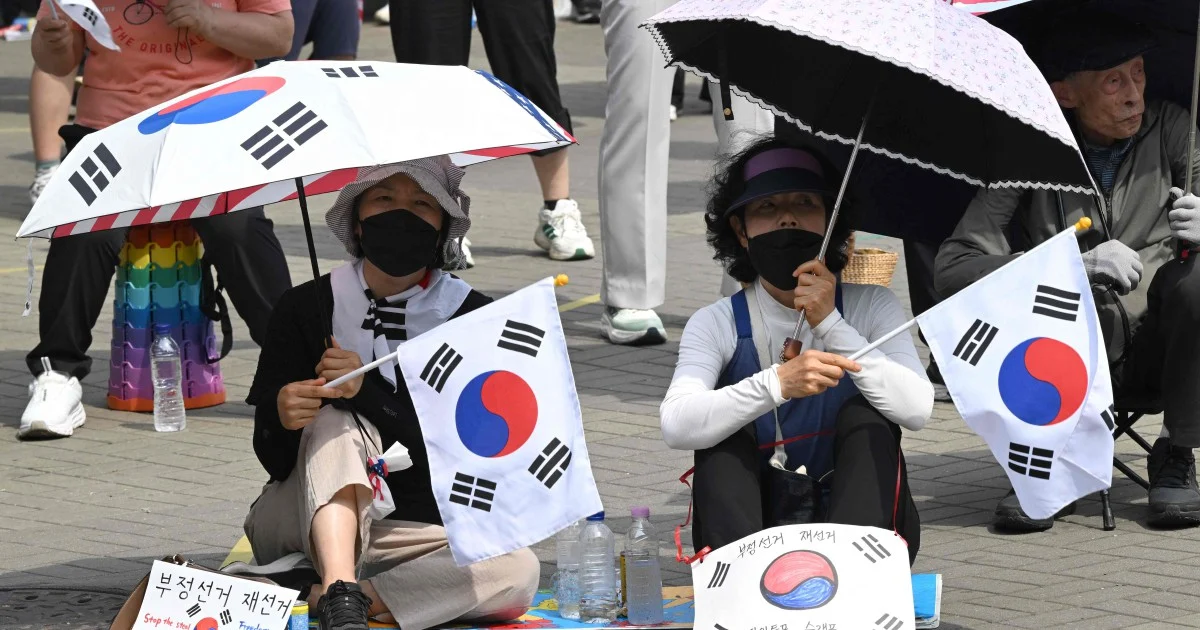
South Korea's National Assembly moved swiftly on Thursday to scrutinise the country's electoral apparatus, approving a formal 45-day investigation into the National Election Commission in response to significant operational failures that marred the June 3 local elections. The plenary session vote marked the beginning of what promises to be a high-profile parliamentary review of how the election body managed ballot distribution and voting logistics during the nationwide municipal and provincial elections.
The ballot paper crisis that prompted the parliamentary action exposed vulnerable points in South Korea's election infrastructure at a moment when confidence in democratic institutions remains central to public discourse. Voters in numerous constituencies encountered substantial delays and frustration when polling stations ran short of ballots, forcing election officials to manage unprecedented demand at some locations while other areas faced minimal participation. The situation created a two-tiered voting experience that undermined the principle of electoral equity and raised uncomfortable questions about preparedness and contingency planning.
The National Election Commission, as the statutory body responsible for administering all elections in the country, now faces intensive parliamentary scrutiny over its resource allocation, forecasting methodologies, and distribution protocols. Investigators will likely examine whether the commission possessed adequate data about voter registration patterns and anticipated turnout rates to properly calculate ballot requirements. Such analysis matters considerably because local elections in South Korea typically draw variable participation depending on regional factors, campaign intensity, and voter sentiment about local governance issues.
For Malaysian observers, South Korea's ballot shortage episode offers instructive parallels and contrasts. Malaysia's election administration has encountered occasional logistical pressures, yet the ballot shortage phenomenon remains relatively uncommon. The lesson here concerns the importance of robust contingency frameworks and real-time communication between election commissions and voting centres, allowing rapid response when demand outpaces supply. The Japanese and Taiwan models of pre-election voter registration cross-checking and conservative ballot printing buffers demonstrate how neighbouring democracies approach this particular challenge.
The investigation's 45-day timeline reflects parliament's determination to complete findings before the National Election Commission faces potential resource allocation decisions for future electoral cycles. Parliamentary investigators will likely call commission officials to testify about their methodology for estimating voter participation, the mechanical aspects of ballot production and distribution, and communication failures that prevented timely responses to emerging shortages on election day. These institutional mechanisms matter because they determine whether electoral bodies can adapt swiftly when unexpected situations develop.
South Korea's focus on this parliamentary probe also reflects broader regional trends toward greater scrutiny of election administration. Across East Asia, democracies increasingly subject their electoral commissions to parliamentary oversight, public audits, and performance evaluations. This heightened accountability stems from recognition that election integrity depends not only on preventing fraud but also on ensuring that all eligible voters can exercise their franchise without unnecessary obstacles or delays. The ballot shortage controversy, while operationally distinct from tampering or coercion, nonetheless undermines voter confidence by suggesting administrative inadequacy.
The implications for South Korea's electoral calendar extend beyond June's local elections. National presidential and legislative elections scheduled for coming years depend on the same National Election Commission infrastructure. If the investigation identifies systemic deficiencies in ballot planning, printing, or distribution, corrective measures implemented over the coming months could significantly affect how smoothly future national contests proceed. Election officials across the region are therefore watching South Korea's parliamentary response closely, noting which specific recommendations emerge and whether the commission implements suggested reforms promptly.
Regional electoral observers particularly note how South Korea's response contrasts with some neighbouring democracies that encountered similar voting logistics challenges. Taiwan's 2024 elections featured similar participation surges in certain constituencies, yet Taiwanese authorities had implemented advance contingency measures that prevented widespread ballot shortages. Meanwhile, Hong Kong's electoral system has faced different challenges rooted in political rather than operational considerations. South Korea's transparent parliamentary investigation exemplifies how mature democracies can publicly address electoral administration failures without allowing partisan controversy to overshadow substantive institutional improvement.
The parliamentary investigation will likely generate recommendations addressing several dimensions of electoral administration. These could include adjusting ballot printing quantities based on more granular demographic analysis, establishing clearer communication protocols between the central commission and individual polling stations, implementing real-time shortage monitoring systems, and creating emergency ballot printing procedures for extraordinary demand scenarios. Each recommendation will require balancing efficiency with security concerns, since election ballots must meet tamper-proof specifications while remaining producible on compressed timelines if necessary.
For Southeast Asian election authorities considering their own preparedness frameworks, the South Korea experience underscores how rapidly voter participation can fluctuate based on multiple factors. Local elections in particular can generate unpredictable turnout patterns reflecting voter engagement with specific regional issues or candidates. Malaysia's election commission, Indonesian authorities, and Philippine election bodies all grapple with similar forecasting challenges in diverse, geographically dispersed countries where participation rates vary significantly across regions and constituencies.
The political dimensions of South Korea's ballot shortage investigation deserve consideration alongside its administrative aspects. Opposition parties used the voting disruptions to criticise the ruling party and demand stronger oversight of the election commission, while government figures initially suggested the problems reflected temporary isolated incidents rather than systemic failures. The parliamentary investigation thus provides a neutral institutional mechanism to establish facts, assign accountability, and generate recommendations transcending partisan dispute. This separation of forensic investigation from political blame represents an institutional strength worth replicating elsewhere in the region.
As South Korea's parliament undertakes its 45-day investigation, the outcomes will likely influence not only immediate reforms to the National Election Commission but also broader conversation about electoral administration standards across East and Southeast Asia. Democratic maturity increasingly depends on how countries manage technical aspects of voting mechanics with the same seriousness they devote to preventing fraud or ensuring fair campaign environments. The ballot shortage crisis, while operationally specific to South Korea's June 3 elections, ultimately raises universal questions about state capacity, institutional preparedness, and public service delivery that resonate throughout the region and beyond.

