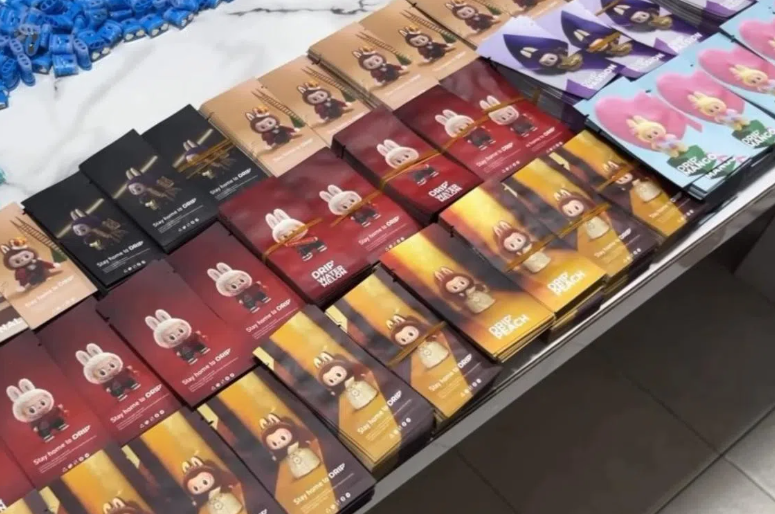
A Singaporean businessman identified as TM has been detained in Medan, Indonesia, following a police investigation into an illegal vape manufacturing enterprise that authorities say generated revenues exceeding 10 billion rupiah—equivalent to approximately US$565,000. The Medan Police Narcotics Unit announced the arrest on June 10, revealing the operation's sophisticated structure and cross-border dimensions that operated with assistance from multiple co-conspirators across Southeast Asia.
The vape products manufactured in this clandestine facility were deliberately packaged to resemble merchandise featuring Labubu, the collectible elf-like plush toys that have become highly sought-after items among collectors worldwide. By leveraging the brand's legitimate popularity, the producers attempted to normalise and obscure the true nature of their illegal goods, a deception strategy that exploited consumer familiarity with licensed merchandise to evade detection and facilitate distribution throughout local markets.
TM orchestrated the enterprise in partnership with an Indonesian national identified as MWQ, who managed day-to-day operations at the production site. Police apprehended TM on May 17 at a Medan hotel, where he was allegedly orchestrating the procurement and shipment of raw materials necessary to maintain production schedules. MWQ was arrested the same day at the actual manufacturing facility located in Kota Medan, a fortified residence equipped with advanced security infrastructure including facial and fingerprint recognition systems, suggestive of professional-grade operational security measures designed to protect sensitive manufacturing processes.
The residential facility operated under a monthly rental arrangement costing between five and seven million rupiah, providing TM and MWQ with the privacy and infrastructure needed to produce substantial quantities of vape products away from regulatory scrutiny. This choice of location—a residential property rather than an industrial zone—reflects a deliberate strategy to avoid drawing attention from authorities by maintaining the appearance of ordinary residential activity while conducting large-scale manufacturing operations within.
The investigation revealed TM's operational base extended beyond Medan into Thailand, from where he managed broader distribution networks and coordinated supply chain logistics. Raw materials sourced from Chinese suppliers were systematically shipped to the Medan production facility, indicating an established international procurement network that enabled continuous manufacturing without interruption. This regional distribution of operational elements across multiple countries created additional complexity for law enforcement efforts and allowed the suspects to exploit jurisdictional boundaries.
Transactions underpinning the enterprise were deliberately conducted using cryptocurrency, a methodology designed to obscure financial trails and complicate investigative efforts to trace money flows and establish the full scope of the operation's profitability. The deliberate adoption of digital payment methods underscores the operational sophistication of the conspiracy and the suspects' understanding of law enforcement methodologies, demonstrating a conscious effort to adopt practices associated with more established criminal enterprises.
A third individual suspected of assisting with marketing and distribution of products throughout Medan remains at large, suggesting the operation possessed additional personnel whose identities and whereabouts remain unknown to authorities. This outstanding suspect's continued freedom indicates potential operational redundancy within the network, with alternative contacts able to maintain distribution channels despite the arrests of the primary leadership figures.
During the raid on the Medan facility, Indonesian police seized comprehensive evidence of the manufacturing operation's scale, including 862 individual vape cartridge tubes, dozens of vape bottles representing various production batches, and more than 10,500 packages bearing Labubu branding. These seized items demonstrate that the operation had achieved significant production capacity and had accumulated substantial inventory, suggesting the business was actively expanding at the time of police intervention.
For Malaysian authorities and regional law enforcement agencies, this case illustrates the expanding sophistication of transnational narcotics operations that exploit Southeast Asia's geographic proximity and relatively porous borders. The enterprise's use of collectible merchandise branding as cover reveals evolving criminal methodologies that attempt to camouflage illegal products within legitimate consumer markets. Regional cooperation mechanisms will be essential in disrupting similar networks, particularly those utilising cryptocurrency and distributed operational structures across multiple jurisdictions to frustrate investigation and prosecution efforts.

