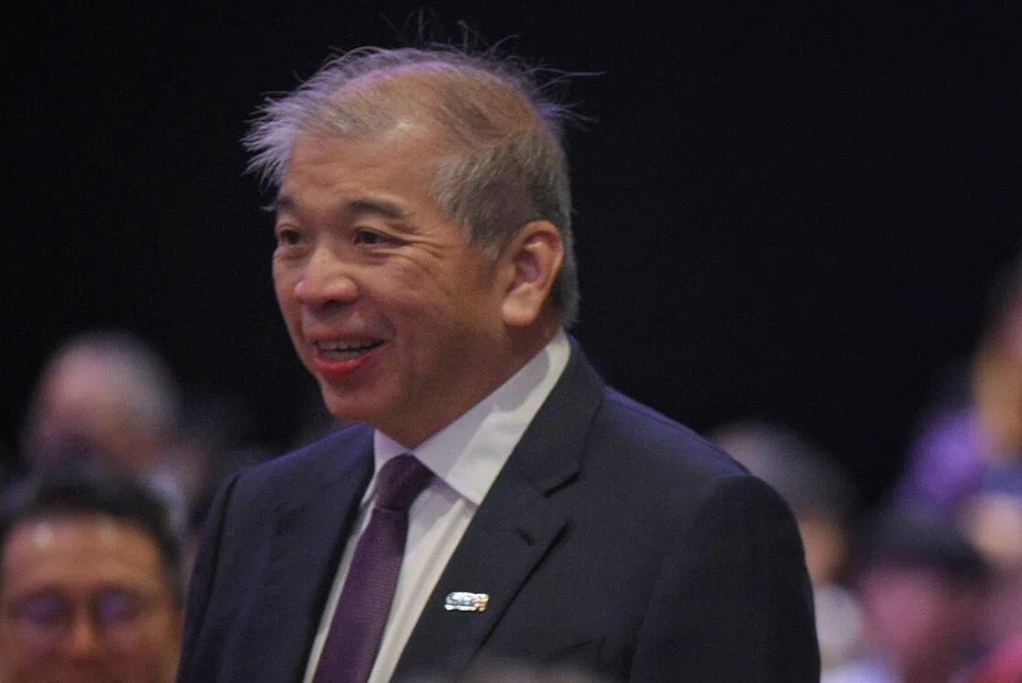
A complex legal battle is unfolding for Singaporean shipping magnate Teo Siong Seng and fellow container industry executives, with two separate class-action lawsuits now advancing through the US court system alongside existing criminal charges. The civil proceedings, launched in the District Court for the Northern District of California on June 2 and 9, represent a significant escalation of the allegations that these executives orchestrated a scheme to manipulate container prices globally. Unlike the criminal indictment pursued by the US Department of Justice, these lawsuits are driven by American businesses seeking to recover substantial financial losses they claim resulted from artificially inflated shipping costs.
The two plaintiffs—manufacturing firm C.A. Spalding Company and transportation firm Daybreak Express—are pursuing damages through private litigation, opening what amounts to a second front of legal exposure for the executives and companies involved. The allegations centre on a cartel comprising China International Marine Containers (CIMC), Shanghai Universal Logistics Equipment, CXIC Group Containers, and Singamas Container Holdings, where Teo serves as chief executive. These firms collectively account for approximately 95 per cent of global standard dry container production, according to court documents, making their alleged collusion a matter of international commercial significance with direct implications for maritime supply chains across the Asia-Pacific region.
At the heart of the lawsuits lies the accusation that these manufacturers implemented a systematic approach to limit container production and artificially sustain elevated prices. The conspirators allegedly restricted the number of production shifts and operating hours across their container manufacturing lines, implementing what amounts to an output ceiling agreed upon among competitors. More remarkably, investigators have documented the installation of 87 video surveillance cameras positioned strategically across 49 container production lines at the factories involved, presumably to monitor compliance with the agreed production quotas and prevent any participant from undercutting the arrangement by manufacturing beyond the permitted threshold.
The financial impact of these alleged activities was substantial and visible in market pricing. Between 2019 and 2021, the price of a standard 20-foot shipping container more than doubled, rising from approximately US$1,600 to US$3,500. This surge in container costs rippled through global supply chains, affecting manufacturers, logistics providers, and ultimately consumers across multiple sectors. For Southeast Asian exporters and importers reliant on container shipping, such price volatility creates significant challenges in cost forecasting and competitiveness, particularly for small and medium enterprises operating with limited profit margins.
The financial gains enjoyed by the cartel members during this period were extraordinary. CIMC's container manufacturing division saw profits balloon from approximately 137 million yuan in 2019 to 1.99 billion yuan in 2020, then skyrocket to 11.3 billion yuan in 2021. Singamas Container Holdings experienced an even more dramatic reversal of fortune, transforming a loss of about US$110 million in 2019 into a profit of approximately US$186.8 million by 2021. These figures underscore the substantial sums at stake and the scale of the alleged price manipulation, which transferred wealth from shipping customers to the cartel members through artificially inflated container costs.
The legal mechanism now being employed against the defendants carries particular teeth through the provision for treble damages. Under American antitrust law, if the defendants are found liable, they could be compelled to pay three times the actual financial losses suffered by the plaintiff companies. This tripling provision serves as both a deterrent against future collusion and a recognition that victims of antitrust violations deserve compensation beyond their direct losses. The potential exposure for the named executives and companies is therefore vastly multiplied beyond any calculation of actual harm, creating intense pressure toward settlement or vindication through successful defence.
Teo Siong Seng, a 71-year-old Singaporean businessman, is among five individuals and multiple companies named as defendants. The other individuals identified include Mai Boliang, former president and chief executive of CIMC now serving as chairman; Huang Tianhua, vice-president of CIMC; Wan Yongbo, general manager of CIMC's Operation Management Centre; Li Qianmin, general manager of Shanghai Universal Logistics Equipment; and Zhang Yuqiang, chief executive of CXIC Group Containers. Additionally, Vick Ma, Singamas's marketing director, is named as a defendant and is currently undergoing extradition proceedings from France to the United States after his arrest in April.
The court summonses issued on June 8 and 11 require all named defendants to formally respond to the allegations within 21 days, a standard procedural requirement in American civil litigation. Failure to respond within this timeframe could result in a default judgment against the non-responding defendants, essentially conceding the allegations and proceeding directly to a damages hearing. This procedural pressure, combined with the civil discovery process likely to follow, means the defendants face mounting legal costs and exposure even before any substantive hearing on the merits occurs.
Teo's response to these legal challenges has been to significantly reduce his public and professional commitments. He has taken leave of absence from his role as executive chairman of Pacific International Lines, a major shipping company, and from his position as chairman of the Singapore Business Federation, where his term was set to conclude on June 24. He has also stepped back from his board position at Enterprise Singapore and his role as pro-chancellor at the National University of Singapore. These withdrawals suggest a recognition that the legal proceedings will demand substantial time and attention, and potentially a desire to shield these institutions from becoming entangled in the controversy surrounding his legal exposure.
Teo's tenure at the Singapore Business Federation proved particularly brief and consequential. He was elected to the position on May 20, 2025, succeeding Lim Ming Yan, who stepped down early to assume the chairmanship of Changi Airport Group. However, barely a month into his elected term, the public revelation of his involvement in the alleged cartel and the mounting legal challenges prompted his decision to forego re-election. This reversal is significant given his previous extensive involvement with Singapore's apex business chamber, where he served three consecutive two-year terms as chairman from 2014 to 2020, establishing himself as a prominent voice in Singapore's business community.
The broader implications of this cartel case extend well beyond the immediate defendants. The alleged price-fixing scheme and its success in maintaining artificially elevated container prices for an extended period raises questions about market monitoring and antitrust enforcement in the shipping and container manufacturing sectors. For Malaysian and other Southeast Asian businesses engaged in export-import activities, the case underscores both the vulnerability of supply chains to collusive practices among key providers and the potential for compensation through civil litigation when such conspiracies are uncovered. The pursuit of treble damages in the US courts also signals a new phase where the commercial consequences of antitrust violations extend far beyond the initial criminal penalties.
The proceedings remain in their early stages, with discovery and preliminary motions likely to consume considerable time before substantive adjudication occurs. The simultaneous pursuit of criminal and civil remedies creates a complex legal environment where statements made in one proceeding could affect another, forcing defendants and their counsel to navigate carefully between different forums and proceedings. For the businesses involved, the uncertainty surrounding ultimate liability and potential damages amounts will likely weigh heavily on financial performance and strategic planning for the foreseeable future.