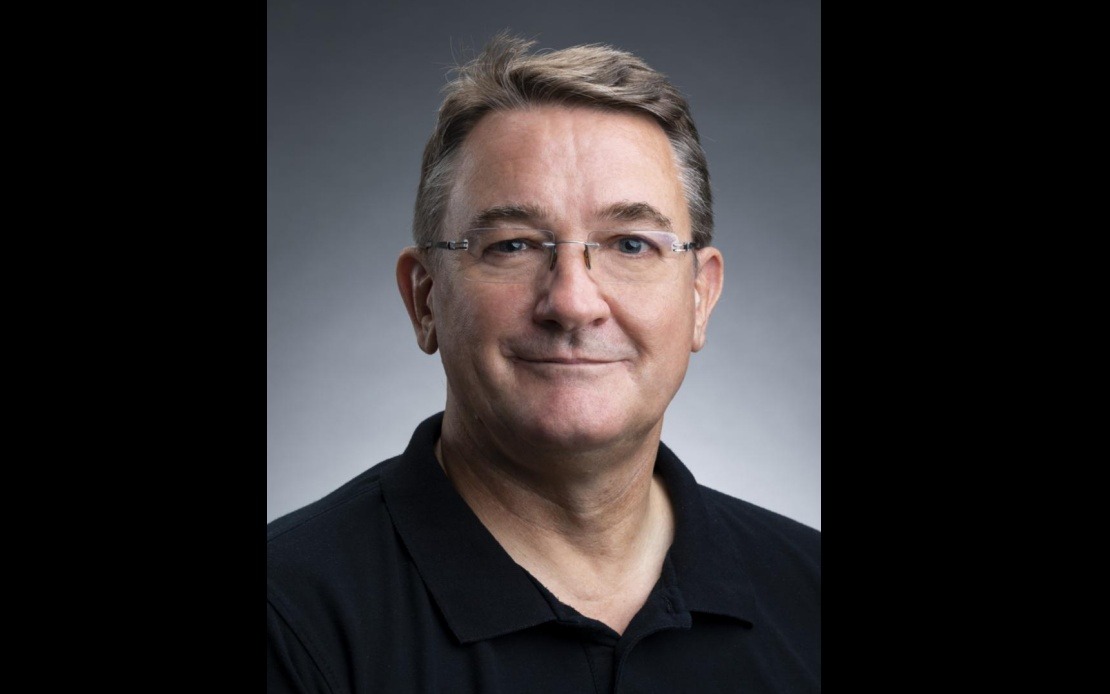
Dr David Lacey, a prominent figure in Malaysia's semiconductor manufacturing sector and current chairman of the Semiconductor Fabrication Association of Malaysia (SFAM), has been appointed to serve as the British Honorary Consul in Penang. The 60-year-old takes the helm from Datuk Robert Hawkins, who concluded an impressive two-decade tenure in the position, underscoring the significance of this diplomatic posting in the northern region.
British High Commissioner to Malaysia Ajay Sharma announced the appointment through a statement issued by the British High Commission in Kuala Lumpur, emphasizing Lacey's pivotal role in strengthening bilateral relations between the United Kingdom and Malaysia. Sharma particularly highlighted Lacey's potential to deepen the high commission's engagement across Penang and the northern states, with a specific focus on technology, digital transformation, and artificial intelligence sectors—areas where both nations have identified mutual strategic interests.
The appointment arrives at a crucial juncture in UK-Malaysia relations, with both countries actively pursuing the framework of a Strategic Partnership. Lacey's expertise and existing networks within Malaysia's technology ecosystem position him to serve as a bridge between the British diplomatic mission and key stakeholders in the northern region's burgeoning digital economy. His background in semiconductor manufacturing is particularly relevant given the global significance of this sector and the efforts to strengthen supply chain resilience in the Indo-Pacific region.
As honorary consul, Lacey will assume multifaceted responsibilities extending well beyond traditional trade promotion. The role encompasses fostering diplomatic, educational, and commercial relations by maintaining close coordination with the Penang state government and engaging with the region's business community. Beyond these developmental duties, honorary consuls provide essential support services to British nationals, including assistance during medical emergencies, legal matters, and compassionate situations such as repatriation following deaths.
Lacey brings an exceptional international pedigree to the position, having spent his career navigating the semiconductor industry across Europe, the United States, and Malaysia. His professional experience includes establishing research and development operations and bringing advanced semiconductor technologies to market—work that has positioned him at the intersection of innovation and commercial success. Currently, he serves as a director at a high-technology semiconductor enterprise based in Penang, maintaining an active role in the sector he has helped develop in Malaysia.
Beyond his commercial engagements, Lacey has contributed significantly to Malaysia's knowledge ecosystem. He serves as a board member of Collaborative Research in Engineering, Science, and Technology (CREST) and functions as an adviser to the Academy of Sciences Malaysia (ASM), demonstrating a commitment to advancing scientific research and development at the national level. These institutional affiliations suggest his influence extends across both private enterprise and public policy discussions surrounding technology development.
Lacey's personal journey in Malaysia spans more than two decades. Since establishing residence in Penang in 2001, he has become deeply embedded in the state's professional and academic communities. His educational credentials—a Doctor of Philosophy from the University of Sussex in the United Kingdom—complement his practical industry experience. Notably, Universiti Sains Malaysia (USM) conferred upon him an Honorary Doctor of Science degree in 2021, a recognition of his substantive contributions to Malaysia's economic advancement and technological capacity.
The significance of this appointment extends beyond the bilateral relationship itself. Penang, as Malaysia's primary technology and manufacturing hub outside Kuala Lumpur, has become increasingly important to international investors and technology leaders. The state's established semiconductor ecosystem, growing digital infrastructure, and educated workforce make it a focal point for UK-Malaysia economic engagement. Lacey's appointment signals British commitment to deepening involvement in this region's development trajectory.
British High Commissioner Sharma's formal acknowledgment of Datuk Robert Hawkins' two decades of service underscores the continuity and institutional stability that characterizes Commonwealth diplomatic networks. Hawkins' lengthy tenure allowed him to build enduring relationships and deep understanding of the local context—advantages that Lacey, with his substantial prior experience in Penang, appears well-positioned to leverage and expand upon.
The honorary consul system represents a distinctive aspect of British diplomatic practice, enabling the United Kingdom to maintain substantive engagement in regions beyond major capital cities. By appointing individuals with genuine roots in their communities and recognized professional standing, the system creates informal networks of influence that supplement formal diplomatic channels. Lacey's selection reflects this principle, with his established credibility in Penang's business and academic sectors providing natural platforms for advancing UK interests.
Looking forward, Lacey's tenure will likely focus on amplifying collaboration between British and Malaysian institutions in technology sectors, particularly as both countries navigate the strategic implications of artificial intelligence and semiconductor manufacturing. His appointment may facilitate greater participation by British firms in Penang's technology development initiatives and create pathways for Malaysian institutions to engage with UK research and innovation ecosystems.
For Malaysian stakeholders, particularly those in Penang's technology sector, this appointment offers opportunities to deepen engagement with British counterparts. The combination of Lacey's industry knowledge, his institutional connections, and his diplomatic mandate positions him to facilitate introductions, collaborations, and knowledge-sharing arrangements that could benefit the region's continued development as a technology center.

