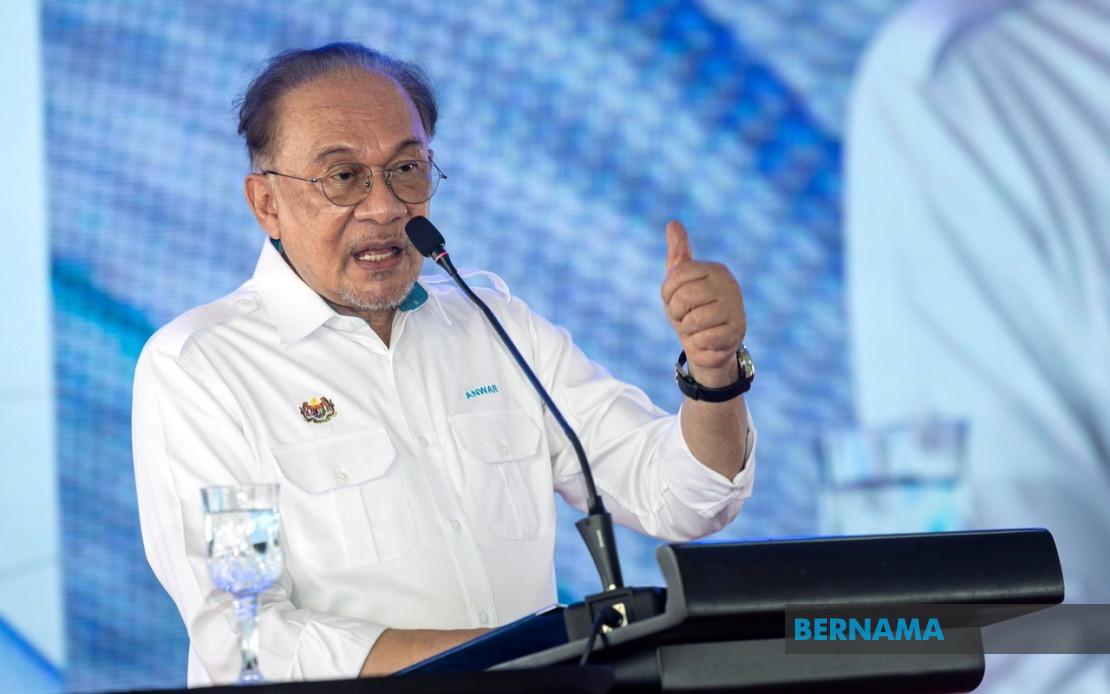
Prime Minister Datuk Seri Anwar Ibrahim has signalled a significant shift in Malaysia's energy strategy through comprehensive partnerships with Russia and Turkmenistan, positioning the nation to meet its power requirements reliably for the coming decades. Speaking at the Setia Fontaines Industrial Park groundbreaking ceremony in Kepala Batas, Anwar outlined how these bilateral arrangements represent a decisive move to insulate Malaysia from global energy market volatility while simultaneously creating new commercial pathways for the region.
The cornerstone of this strategy involves a long-term accord with Russia guaranteeing Malaysia's access to crude oil, natural gas, and diesel supplies extending at least two decades into the future. During recent talks with Russian President Vladimir Putin in Kazan, the framework was finalized, reflecting deepening diplomatic and economic ties between Kuala Lumpur and Moscow. The twenty-year horizon provides Malaysia with unprecedented certainty regarding hydrocarbon availability, a crucial consideration for a nation increasingly dependent on stable energy imports to fuel industrial expansion and maintain competitive advantage across Southeast Asia.
Equally significant is Malaysia's newly secured position in Turkmenistan's energy sector, which Anwar described as yielding even more substantial strategic gains. Turkmenistan holds some of the world's largest proven natural gas reserves, and Malaysia's expanded access to these resources represents a transformational development for the country's energy independence. This arrangement culminated from sustained diplomatic engagement, including Turkmenistan President Serdar Berdimuhamedov's December 2024 visit to Malaysia, demonstrating how patient relationship-building translates into concrete economic benefits for both nations.
The geopolitical dimensions of these partnerships extend well beyond simple resource acquisition. By diversifying energy suppliers and securing arrangements with major Eurasian producers, Malaysia reduces its vulnerability to supply disruptions originating from traditional Middle Eastern sources. This hedging strategy aligns with broader regional efforts to build resilient supply chains independent of any single geographic region, a lesson reinforced by recent global energy crises affecting Southeast Asian economies.
From a commercial standpoint, Anwar emphasized that Malaysia's enlarged gas access creates opportunities for expanded exports to economically powerful neighbours with voracious energy appetites. China, Japan, and South Korea represent substantial markets for liquefied natural gas and petroleum products, industries where Malaysia can leverage its advantageous geographic position and infrastructure capabilities. The ability to re-export or trade these resources transforms Malaysia from a net energy importer into a potential regional energy broker, generating substantial revenues and employment across logistics, refining, and export sectors.
The timing of these announcements reflects Malaysia's recognition that energy security constitutes a fundamental pillar of national economic resilience and development capacity. With global energy demand remaining robust despite climate transition efforts, securing long-term supply contracts protects Malaysian industries from price shocks while enabling more predictable capital planning for manufacturing and export-oriented enterprises. Manufacturing-dependent economies like Malaysia benefit immensely from knowing their energy costs several years ahead, allowing them to compete more effectively against international rivals.
These energy accords also demonstrate Malaysia's diplomatic maturity in pursuing national interests through pragmatic international engagement. Rather than confining relationships to traditional Western partners, Malaysia has systematically cultivated ties across Europe, Asia, and the Middle East, leveraging these connections to advance concrete development objectives. This multidirectional foreign policy approach enables the country to negotiate from a position of strength, avoiding dependency on any single strategic partner while maximizing returns from international cooperation.
The energy partnerships carry implications for Malaysia's broader economic positioning within ASEAN and globally. Nations controlling reliable energy supplies maintain distinct advantages in attracting foreign investment, as multinational corporations prioritize locations offering stable utility costs and operational certainty. Malaysia's enhanced energy security therefore supports its ambitions to compete for high-value manufacturing operations, petrochemical investments, and technology-intensive ventures that require predictable input costs.
Domestically, the arrangements promise tangible benefits for ordinary Malaysians through job creation across energy-related industries and downstream sectors dependent on stable, affordable power. Construction, transportation, refining, and export logistics all expand alongside growing energy infrastructure and international commerce. The groundbreaking ceremony for Setia Fontaines Industrial Park itself exemplifies how energy security creates momentum for broader industrial development, as investors gain confidence in Malaysia's ability to reliably power their operations.
Looking forward, these energy agreements establish a foundation upon which Malaysia can build additional strategic partnerships and industrial capabilities. The twenty-year supply commitments provide sufficient temporal horizon for developing new refineries, petrochemical complexes, or liquefied natural gas facilities designed to maximize value extraction from imported hydrocarbons. Such infrastructure investments typically require years to plan and construct, making long-term supply certainty an essential prerequisite for their viability.
The partnerships also position Malaysia advantageously within evolving regional energy dynamics. As energy demand across Asia continues climbing and supply sources diversify, nations securing reliable access to major reserves gain negotiating leverage and economic resilience. Malaysia's expanded gas and oil access enhances its standing among regional peers while providing concrete security guarantees that support economic planning and investor confidence across all sectors of the economy.

