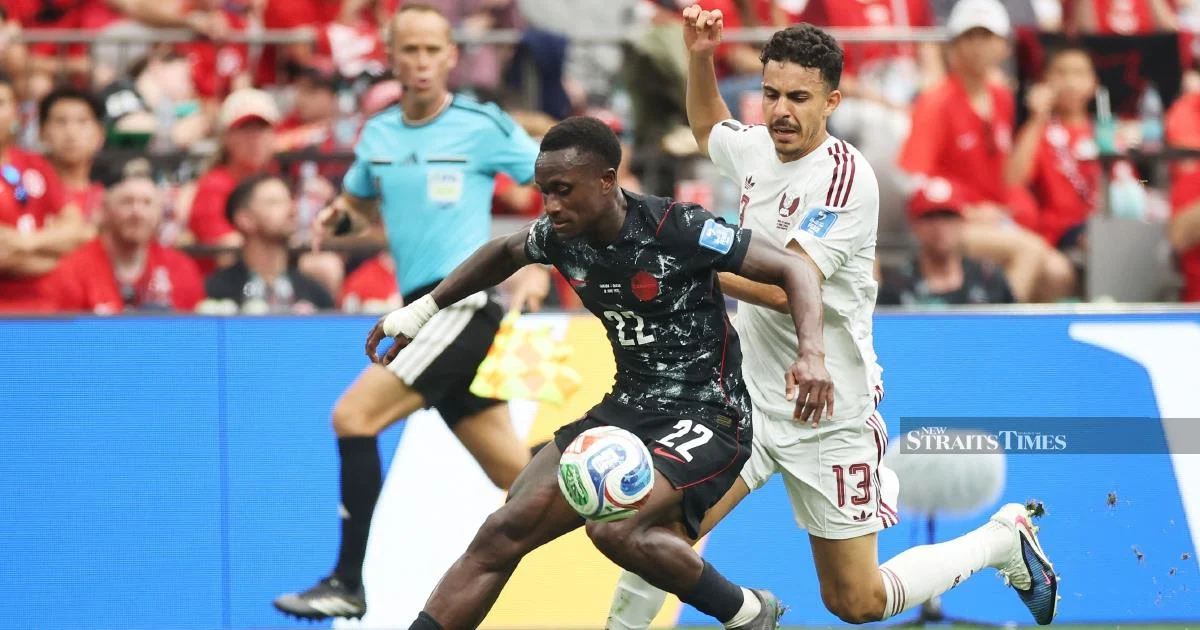
Qatar's catastrophic 6-0 loss to Canada at the FIFA World Cup has reignited a long-standing debate among football analysts: can unlimited financial resources genuinely manufacture sporting success at the highest level? The scale of the defeat—one of the most comprehensive scorelines inflicted on a host nation in the tournament's history—suggests a definitive answer to that question, according to football experts who argue that money, while essential, cannot substitute for fundamental structural and tactical development.
The significance of Qatar's World Cup campaign extends beyond mere tournament results. As the host nation, Qatar had invested an estimated USD 220 billion in infrastructure, stadium construction, and player recruitment leading up to the tournament. This extraordinary expenditure represented one of the most ambitious football development projects ever undertaken by a Middle Eastern nation. Yet despite these unprecedented financial commitments, the Qatari squad proved woefully unprepared for the competitive rigours of international football at the world's premier event.
Football development experts emphasize that sustainable competitive advantage in sport depends on multifaceted foundations that money alone cannot rapidly construct. Youth academy systems require years of consistent development to produce players capable of functioning at international level. Tactical sophistication emerges from experience and institutional knowledge passed between generations of coaches and players. The competitive depth needed to challenge elite nations develops incrementally through participation in established domestic leagues and regional competitions. Qatar's relative isolation from these traditional developmental pathways, despite its substantial wealth, exposes the fundamental disconnect between financial investment and long-term sporting capacity.
The Canadian team's tactical dominance in their emphatic victory reveals another critical element absent from money-dependent strategies: competitive resilience and match intelligence. Canada's players, most competing regularly in established professional leagues across Europe and North America, demonstrated the kind of match awareness and adaptive football intelligence that cannot be purchased. Their seamless transition between defensive solidity and attacking aggression illustrated principles developed through years of competitive experience in challenging environments—a reality that transcends financial capability.
Qatar's recruitment strategy, while bringing in experienced international players, failed to address deeper institutional weaknesses. When foreign-based players join a national team lacking cohesion and tactical identity, individual talent becomes fragmented. The Australian coach's methods, regardless of his international pedigree, could not instantaneously create the kind of collective understanding necessary to compete effectively. This reality underscores how short-term recruitment solutions, however expensive, cannot replace the foundational work required to build competitive football cultures.
The broader implications of Qatar's World Cup experience extend throughout the Gulf region and beyond. Other wealthy Middle Eastern nations watching Qatar's disappointing campaign must reconsider their own football development philosophies. While financial investment remains necessary for building modern facilities, professional infrastructure, and attracting experienced talent, the Qatari precedent suggests that success requires equally serious commitment to domestic league development, youth academy systems, and competitive participation in regional tournaments that build authentic football culture.
For Malaysian football observers, Qatar's struggle offers instructive lessons about sustainable national team development. While Malaysia's financial resources differ significantly from Qatar's, the principle remains universal: competitive success depends on building strong domestic foundations rather than pursuing shortcuts through external recruitment. Investment in Malaysian football should prioritize development of local talent through structured academy systems, consistent competitive opportunities, and incremental improvement rather than attempting wholesale transformation through imported solutions.
Qatar's World Cup embarrassment also reflects the unique challenges of attempting to rapidly establish football excellence in a nation with limited indigenous football tradition. Canada, by contrast, developed its football programme gradually through participation in North American competitive structures and regional tournaments. This organic development, rather than imposed external financing, created the tactical maturity evident in their devastating performance against Qatar. The contrast illustrates how competitive cultures emerge from sustained engagement rather than financial injections alone.
Looking forward, Qatar faces difficult strategic choices about its football future. The nation must decide whether to continue pursuing immediate competitive results through continued financial investment, or whether to embrace longer-term structural development that builds sustainable competitive capacity. The former approach has demonstrably failed at the highest level. The latter requires accepting interim periods of limited success while domestic systems develop the kind of foundational strength that produces genuine international competitors.
The 6-0 defeat serves as a watershed moment in football development philosophy. It validates what many experienced football observers have long insisted: that authentic competitive success emerges from deep structural roots rather than superficial financial overlays. For Qatar and other wealthy nations pursuing football development, the Canadian thrashing delivered an expensive but unambiguous lesson about the true requirements for building successful football nations.

