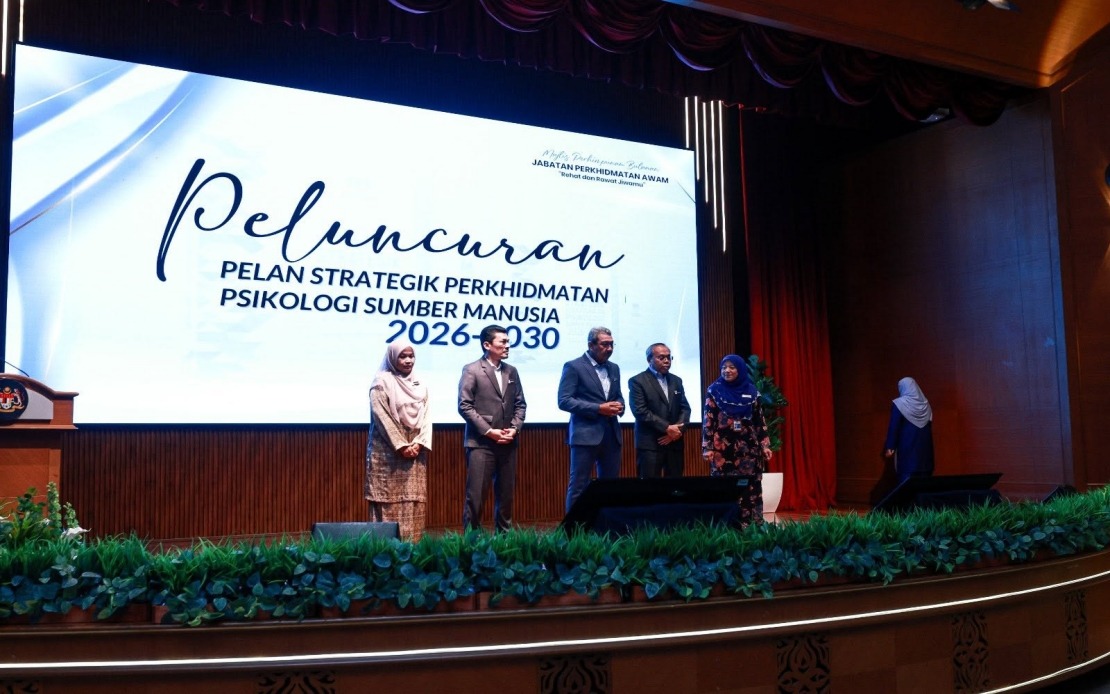
Malaysia's Public Service Department has unveiled a comprehensive roadmap to prioritise psychological well-being across the civil service, launching the Human Resources Psychology Services Strategic Plan 2026-2030 at its June assembly in Putrajaya. The initiative represents a significant institutional commitment to mental health, structured around 12 strategic pillars, 22 operational programmes, and 48 key performance indicators aimed at measuring progress and ensuring accountability at every level of the bureaucracy.
The framework, unveiled by Public Service Director-General Tan Sri Wan Ahmad Dahlan Abdul Aziz at the monthly gathering themed "R&R (Rest and Treat) Your Soul", signals a fundamental shift in how the government approaches employee welfare. Rather than treating psychological services as peripheral or remedial, the department now positions mental health as central to organisational effectiveness and sustainable public administration. This reflects growing international recognition that workforce productivity and service quality depend fundamentally on the emotional and psychological stability of employees.
A cornerstone of the strategy is the concept of "Treat", which encourages civil servants to abandon passive acceptance of mental distress in favour of active intervention. This reframing is particularly significant in the Malaysian context, where stigma surrounding mental health has traditionally discouraged help-seeking behaviour even among highly educated professionals. The directive explicitly asks employees to find courage in acknowledging difficulties, challenging cultural narratives that equate silence with strength, and accessing professional psychological services without shame or fear of career consequences.
Tan Sri Wan Ahmad Dahlan articulated a compelling vision: organisational health emanates from individual well-being. His statement that civil servants should "rest when tired and take care of your soul before it gets worse" encapsulates a preventive rather than crisis-response approach. This messaging acknowledges that burnout, anxiety, and depression often develop gradually, and early intervention through self-awareness and professional support can prevent more severe deterioration that ultimately damages both individuals and institutional capacity.
The plan integrates with the PSD's broader H.E.M.A.T work culture transformation framework, which addresses governance modernisation, public empathy, progressive mindset, innovation appreciation, and transparent administration. This integration is deliberate: sustainable reforms in work culture require concurrent investments in employee psychological resilience. A civil servant operating within an empowering, transparent system will experience different stress profiles than one navigating an opaque bureaucracy, yet both require access to psychological support services. The plan therefore functions as both a standalone initiative and a complementary pillar supporting wider civil service reform.
The 48 key performance indicators embedded within the strategy serve multiple purposes. They establish measurable outcomes against which progress can be tracked annually, creating institutional accountability for mental health outcomes. These metrics will likely encompass utilisation rates of psychological services, employee satisfaction surveys, absenteeism reduction, workplace incident reporting, and peer support programme participation. By quantifying what might otherwise remain invisible, the PSD creates a data-driven basis for resource allocation and programme refinement.
For Malaysian public administration, this initiative carries significant implications. The civil service employs roughly 1.6 million people, making it one of the largest workforces in the country. Mental health challenges among this cohort create cascading effects: stressed, unwell public servants deliver lower-quality services, take extended medical leave, and may experience higher turnover in critical roles. Investment in psychological well-being therefore represents not merely an employee benefit but a strategic investment in governance quality and policy implementation effectiveness.
The 22 programmes will likely span multiple intervention levels. These probably include awareness campaigns to destigmatise mental health, accessible counselling and therapy services, peer support networks, manager training in recognising psychological distress, family support services, and crisis intervention protocols. The breadth suggests a recognition that psychological well-being operates across multiple domains—individual, interpersonal, organisational, and familial—and requires multifaceted responses rather than single-solution approaches.
The emphasis on destigmatisation deserves particular attention given Malaysia's cultural context. Despite rising awareness, mental health conditions still carry social stigma in many communities. Public servants, who occupy visible roles in the state apparatus, may feel particularly constrained about disclosing struggles. By institutionalising psychological support and making it normative rather than exceptional, the PSD can gradually reshape workplace culture. When senior officials openly discuss mental health and utilise available services, they model behaviour that permits others to do likewise.
The five-year timeframe allows for substantial implementation and evaluation cycles. By 2030, the department should have sufficient data to assess programme effectiveness, identify which interventions generate strongest outcomes, and adjust resource distribution accordingly. This iterative approach recognises that mental health support, like all complex institutional reforms, requires ongoing refinement rather than static implementation.
Regionally, Malaysia's initiative may influence neighbouring Southeast Asian governments grappling with similar challenges. Thailand, Indonesia, and the Philippines all maintain large civil services where mental health support remains underdeveloped. Malaysia's structured approach, combining strategic frameworks with measurable outcomes, provides a model that other bureaucracies might adapt to their own contexts.
The practical challenge lies in implementation. Psychological services require trained professionals—psychologists, counsellors, psychiatrists—who may be concentrated in urban centres. Rural civil servants could face access barriers despite policy frameworks. Additionally, translating departmental directives into genuine cultural change requires sustained leadership commitment, adequate funding, and willingness to address systemic workplace stressors that medication and counselling alone cannot resolve.