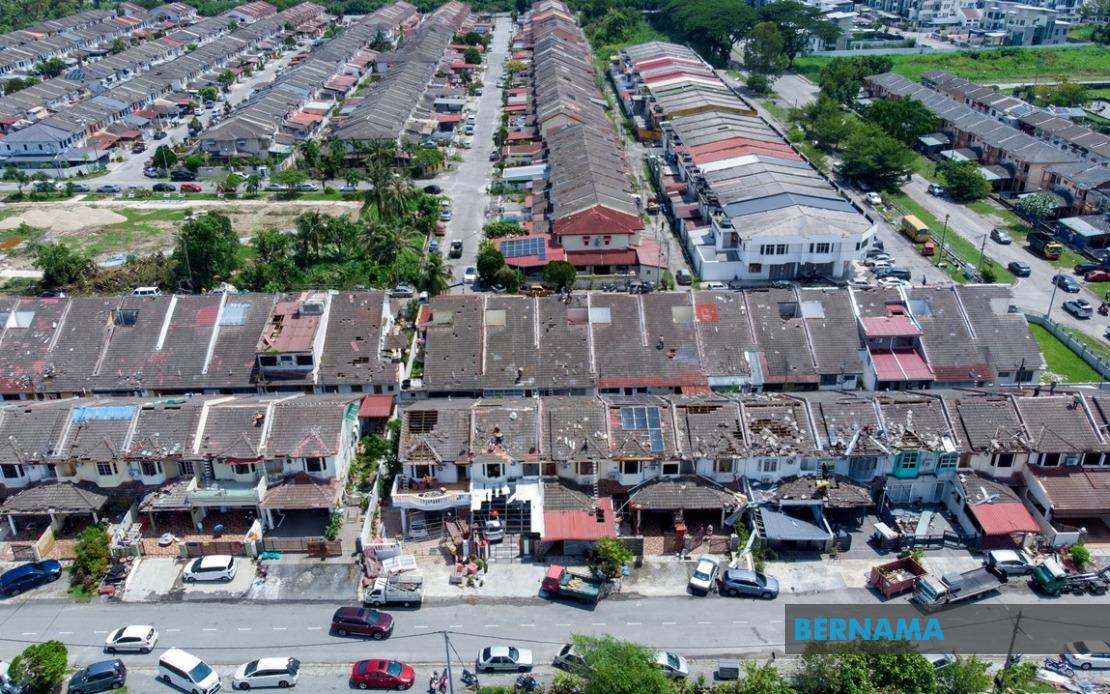
Authorities in Ipoh have established a security perimeter around five neighbourhoods devastated by a severe storm, implementing movement controls to safeguard properties as residents begin the lengthy recovery process. The operation, announced by Ipoh district police chief ACP Muhammad Najib Hamzah, aims to prevent criminal opportunism in areas where residents are away or properties lie damaged and vulnerable.
The storm struck on Friday with unusual intensity, affecting multiple residential zones including Anjung Bercham Utara, Taman Mujur, Kampung Bercham, Kampung Tersusun Tasek, Taman Pusat Bercham and Taman Indah Sakti. According to Ipoh Barat Member of Parliament M. Kulasegaran, who also serves as Deputy Minister in the Prime Minister's Department (Law and Institutional Reform), the incident caused damage to more than 200 houses. Early meteorological analysis suggests the destructive weather resulted from a rare landspout phenomenon, distinguishing this event from typical monsoon-related disturbances common to the region.
The police chief acknowledged that enforcing a complete lockdown would create genuine hardship for residents needing to salvage belongings and assess damage. Accordingly, authorities are exercising measured discretion, permitting residents to enter and exit the cordoned zones for cleanup operations, though with heightened scrutiny during darkness hours. This nuanced approach reflects recognition that immediate post-disaster recovery requires family engagement with damaged properties, a challenge that must be balanced against security vulnerabilities during the vulnerable period before full reconstruction begins.
Nighttime access receives particularly close monitoring. Many affected neighbourhoods remain without electrical power, creating an environment where distinguishing legitimate cleanup activities from criminal looting becomes genuinely difficult. Police personnel stationed at entry and exit points will verify residential credentials before permitting entry after dark, and will maintain vigilant observation as residents work to recover personal items and documents from their homes. This concentrated focus on the night hours recognises that criminal elements often exploit darkness and community disruption following natural disasters.
As of 8 am on the day of the announcement, police had logged 492 storm-related incident reports through their Op Bencana disaster reporting mechanism. These reports encompass damaged properties, missing possessions, electrical hazards, structural dangers and suspected looting attempts. Significantly, authorities have clarified that there is no fixed deadline for residents to file official reports, permitting families still managing immediate rescue and recovery to document losses as their circumstances allow. This flexible timeline acknowledges that traumatised residents may not immediately prioritise bureaucratic processes.
The full financial toll from the disaster remains uncalculated. Quantifying damage across more than 200 residential properties, accounting for structural harm, ruined furnishings, destroyed electrical systems, compromised roofing and countless other losses, requires systematic assessment by insurance adjusters, municipal engineers and loss adjusters. The complexity intensifies when considering that many Malaysian working-class families carry limited insurance coverage, meaning personal and uncompensated losses may accumulate significantly for affected households.
The Bercham incident holds particular significance for understanding disaster vulnerability in Malaysian urban and semi-urban neighbourhoods. These residential areas, while established, lack the advanced early warning systems and hardened infrastructure found in more recently planned developments. The apparent landspout phenomenon—a relatively localised but intense rotating column of air—demonstrates that Malaysian communities face diverse weather-related threats beyond traditional flooding and heavy rainfall. Climate variability is reshaping the risk landscape that urban planners and emergency services must anticipate and address.
The police response reflects coordination between law enforcement and municipal disaster management structures. The Incident Control Post established at Bercham police station serves as the centralised coordination hub where police, local government, utility companies and community leaders can communicate operational needs and share real-time information about ongoing recovery efforts. This unified command structure, though tested in this particular emergency, provides the framework through which Malaysian disaster response typically flows during major events.
For residents of Bercham and neighbouring communities, the immediate weeks ahead will involve navigating a complex intersection of practical recovery, emotional trauma, insurance claims and rebuilding decisions. The police cordon, while sometimes frustrating to residents eager to access their homes, represents an institutional effort to prevent the secondary disaster of looting and criminal victimisation that often compounds the original weather damage. As historical disaster response patterns demonstrate, community spaces suffer disproportionately when security cannot be established during the vulnerable post-impact window.
The incident also underscores the importance of community disaster preparedness at the neighbourhood level. While authorities respond effectively to major events, resident awareness of emergency assembly points, communication channels, and mutual support networks reduces reliance on police resources and accelerates community recovery. Malaysian neighbourhood associations and community leaders increasingly recognise that incorporating disaster response planning into their regular activities builds resilience before catastrophe strikes.
Longer term, the Bercham experience will likely inform discussions about infrastructure resilience in older residential areas. Questions regarding adequate electrical system redundancy, structural codes adapted for emerging weather phenomena, and community warning systems will enter conversations among municipal authorities and urban planners across Perak and comparable regions. The transition from reactive emergency response to proactive infrastructure adaptation remains a work in progress across Malaysian urban centres.

