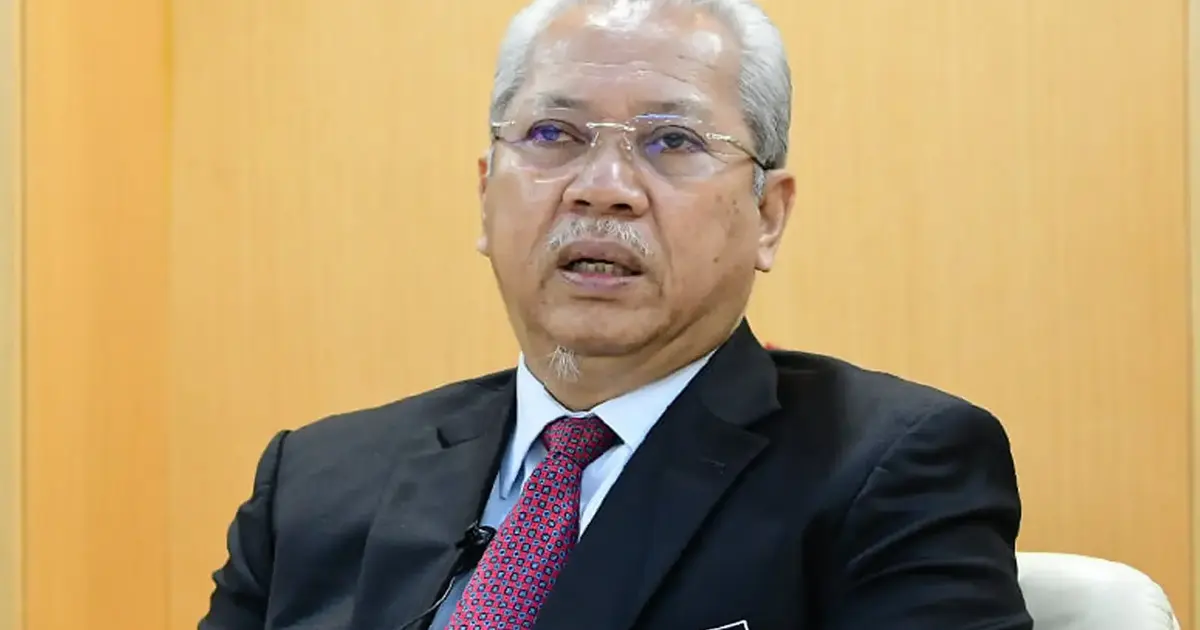
Perikatan Nasional is poised to clear the fog surrounding one of Malaysian politics' most persistent internal disputes. Information chief Annuar Musa confirmed that the coalition's leadership will convene for a Supreme Council meeting on Monday to definitively settle questions about Bersatu's position within the alliance and determine who holds rights to the coalition's electoral symbol—matters that have simmered beneath the surface for months and threaten to derail preparations for imminent state elections.
The institutional tensions within PN reflect deeper fractures in Malaysia's opposition movement. Bersatu, which holds significant weight as the party of former Prime Minister Mahathir Mohamad and current figurehead Muhyiddin Yassin, has occupied an awkward position within an alliance that also includes PAS, the Islamist party that dominates in several states. The question of whether Bersatu remains genuinely committed to the coalition—or whether it might pivot toward other political configurations—has never been formally resolved, leaving party structures, resource allocation, and electoral strategy in limbo.
The logo dispute carries more than symbolic weight. In Malaysian electoral contests, the coalition symbol carries legal significance and voter recognition value built through years of campaigning. Control of that emblem signals both legitimacy within the alliance and electoral viability. For PN, a coalition still consolidating its influence outside its core strongholds, the logo represents institutional credibility. For Bersatu, retaining access to it affirms its standing within the partnership—or threatens to undermine that standing if the symbol is restricted.
Johor and Negeri Sembilan represent critical test cases for the broader opposition movement. These states hold strategic importance for both PN's ambitions and the national political balance. The distribution of parliamentary and state assembly seats between coalition partners directly affects which party members contest which constituencies, ultimately determining the alliance's overall electoral performance. Seat allocations also signal internal power dynamics: who receives winnable seats, who gets challenging contests, and which areas each party is permitted to contest unilaterally all communicate hierarchies within the broader partnership.
Annuar Musa's statement indicates the Supreme Council has exhausted informal negotiation channels and now requires formal resolution through the coalition's highest decision-making body. This escalation suggests compromise attempts at lower levels have stalled. Party officials have likely circled proposals, discussed trade-offs, and identified competing claims on desirable constituencies. The necessity of Supreme Council intervention means these outstanding disputes resist routine administrative resolution and require political judgment from the coalition's senior leadership.
The timing compounds the urgency. State elections in Johor and Negeri Sembilan demand settled arrangements to permit candidate nomination processes, campaign planning, and resource mobilization. Electoral campaigns function on compressed timelines; candidates need advance notice to build ground organizations, and voters require sufficient lead time to evaluate contenders. Prolonged uncertainty about PN's internal structure creates cascading delays that ripple through operational preparations. Party machinery struggles to mobilize effectively without clarity about which candidates will represent which symbols in which areas.
For Malaysian voters in these states, the resolution carries practical implications. Electoral choices depend on understanding which opposition coalition members will contest specific seats and under which banner. Voters comparing PN candidates against BN alternatives or other opposition fragments need transparent information about coalition composition and electoral arrangements. Unresolved internal disputes breed public confusion about what PN actually represents and who genuinely speaks for the alliance.
The broader context matters here. PN emerged from political realignments following the 2018 general election, when Mahathir-led Pakatan Harapan fractured and reconstituted itself in unexpected configurations. The coalition never fully crystallized as a stable entity with clearly defined membership, decision-making processes, and resource-sharing agreements. Unlike BN, which developed institutional frameworks across decades, PN remains organizationally fluid. These Monday decisions represent attempts to inject formal structure into a still-inchoate political movement.
Bersatu's uncertain status reflects the party's own strategic ambiguity. As a relatively new entity, Bersatu lacks deep roots in state-level organizations while simultaneously punching above its weight through Muhyiddin's national prominence. This structural asymmetry complicates coalition management. Bersatu lacks the grassroots machinery that established parties like PAS command, yet expects coalition influence proportionate to its leadership profile. Resolving this tension requires PN partners to accept either that Bersatu punches above its actual electoral weight or that the party's national profile must translate into formal institutional power.
The Supreme Council meeting also signals PN's attempt to present unified front ahead of the elections. Coalition partners recognize that publicly aired disagreements undermine electoral messaging and create opportunities for rival groups to exploit divisions. By resolving these matters internally and pronouncing a settled position, PN aims to project cohesion and strength to voters. This performative dimension—demonstrating that the coalition can actually govern itself through its formal institutions—matters as much as the substantive seat and logo allocations.
These decisions will reverberate beyond Johor and Negeri Sembilan. They establish precedents for future PN cooperation in other state elections and general elections. How the Supreme Council distributes seats, allocates symbols, and arbitrates between partners creates templates for subsequent negotiations. Bersatu's experience here will influence whether the party remains committed to PN cooperation or explores alternative alliances. Other PN members will watch carefully to assess whether internal processes feel fair and whether the coalition's stated principles translate into actual practice.
Monday's meeting represents a critical inflection point where PN moves from informal coalition mechanics toward institutionalized procedures. Whether the Supreme Council delivers crisp, binding decisions or produces compromise formulations that paper over unresolved tensions will determine whether PN can function effectively as a coherent electoral force in these crucial state contests.