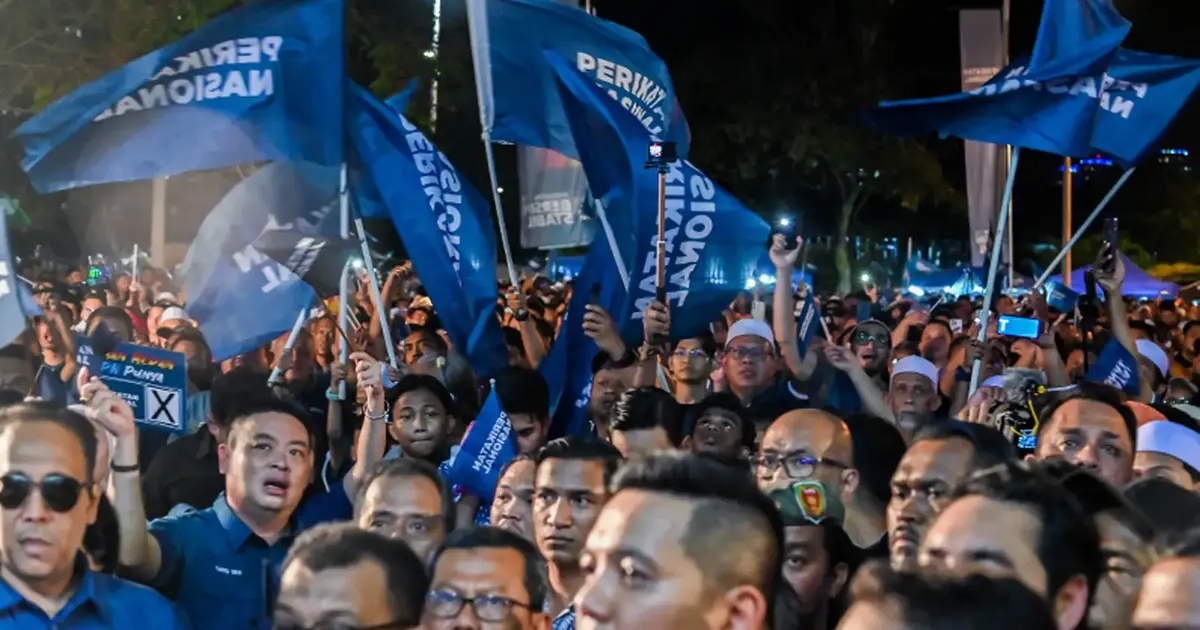
Malaysia's Perikatan Nasional coalition faces growing danger of fragmentation as antagonism between its key components PAS and Bersatu deepens into what political analysts characterise as sustained, corrosive conflict. The rupture between the two dominant parties within the right-wing alliance could fundamentally reshape the nation's political landscape, threatening the stability of the broader opposition bloc and complicating efforts to form stable governmental arrangements.
Research from the Ilham Centre suggests the dispute has transitioned into a more damaging phase. Rather than direct, contained confrontations, the conflict now displays characteristics of what observers term a "guerrilla war" — involving sporadic attacks, public statements designed to undermine rivals, institutional manoeuvring, and appeals to grassroots supporters. This transition signals that both parties have abandoned hopes for quick resolution and are instead preparing for prolonged contestation within the coalition framework.
The deterioration of PAS-Bersatu relations carries substantial implications for Malaysian politics. The coalition was formed partly as a counterbalance to the dominant Barisan Nasional apparatus, and its internal cohesion was widely seen as essential to maintaining opposition credibility. Should either party prioritise damaging its ally over maintaining coalition unity, the entire structure could fracture, potentially leaving individual members vulnerable to parliamentary arithmetic and coalition-building manoeuvres by other political forces.
Bersatu, under Muhyiddin Yassin's leadership, has historically positioned itself as a reformist force with broader appeal across ethnic and religious lines. PAS, conversely, has built its political base through Islamic-centred messaging and maintains deep organisational roots particularly among rural constituencies. These differing political philosophies and voter bases have always created tension within the alliance, but recent months have seen disagreements escalate from strategic differences into personal and organisational rivalries.
The guerrilla-style nature of current hostilities suggests both parties are employing asymmetric tactics designed to inflict maximum political damage while maintaining public denials of deliberate sabotage. Such approaches typically involve selective media engagement, selective enforcement of party discipline, competing narratives about coalition responsibilities, and mobilisation of grassroots supporters to create pressure on leadership. This phase proves exceptionally difficult to manage through traditional party hierarchies, as deniability remains high while impact remains substantial.
For Malaysian observers, the PN crisis carries relevance beyond coalition dynamics. The alliance has served as a significant electoral force in recent elections and holds considerable parliamentary representation. Any collapse or fundamental restructuring would reshape the opposition's capacity to challenge government initiatives, potentially strengthening Barisan Nasional's position in Parliament regardless of developments within the ruling coalition itself. Southeast Asian political analysts also monitor the situation given regional implications for how Islamic-based and secular conservative parties navigate coalition relationships.
The timing of escalating tensions proves particularly significant given Malaysia's complex electoral calendar and the perpetual possibility of parliamentary dissolution. Unstable coalitions face heightened risks when snap elections become feasible, as component parties may be tempted to jettison allies perceived as electoral liabilities. PAS and Bersatu each command substantial parliamentary seats, but their value to potential coalition partners depends partly on their ability to maintain electoral viability and internal discipline. The guerrilla-style conflict undermines both characteristics simultaneously.
Political analysts increasingly emphasise that resolution of PAS-Bersatu differences requires fundamental decisions about coalition purpose and shared political vision. Without such foundational agreement, the parties simply manage symptoms rather than address underlying causes. The Ilham Centre assessment implies that current trajectory suggests deterioration rather than improvement without significant intervention, whether through mediation, leadership changes, or fundamental restructuring of the alliance itself.
The broader opposition landscape could experience significant realignment should PN seriously fragment. Other political parties including DAP and Amanah have expressed willingness to engage in opposition cooperation, and individual defections or party restructuring could create new political configurations. However, such fluidity simultaneously creates uncertainty that investors, businesses, and international observers typically find uncomfortable, potentially explaining why some analysts advocate for managed resolution over natural coalition collapse.
Malaysian political observers note that guerrilla-style intra-coalition conflict often precedes formal ruptures. The current phase, characterised by persistent friction without total breakdown, typically exhausts resources and leadership patience while accumulating grievances that prove increasingly difficult to reconcile. History suggests that such conflicts either resolve through decisive action by senior figures or intensify toward inevitable separation, with intermediate stagnation being the least likely outcome long-term.
The strategic calculations facing both PAS and Bersatu involve weighing short-term competitive advantages against long-term viability. Parties that successfully damage rivals within coalitions may gain temporary parliamentary leverage, but damaged coalitions lose negotiating strength against external political competitors. This tension between competitive and collaborative logics has historically plagued Malaysian opposition politics, and the current PN crisis exemplifies how this fundamental contradiction plays out in practice.

