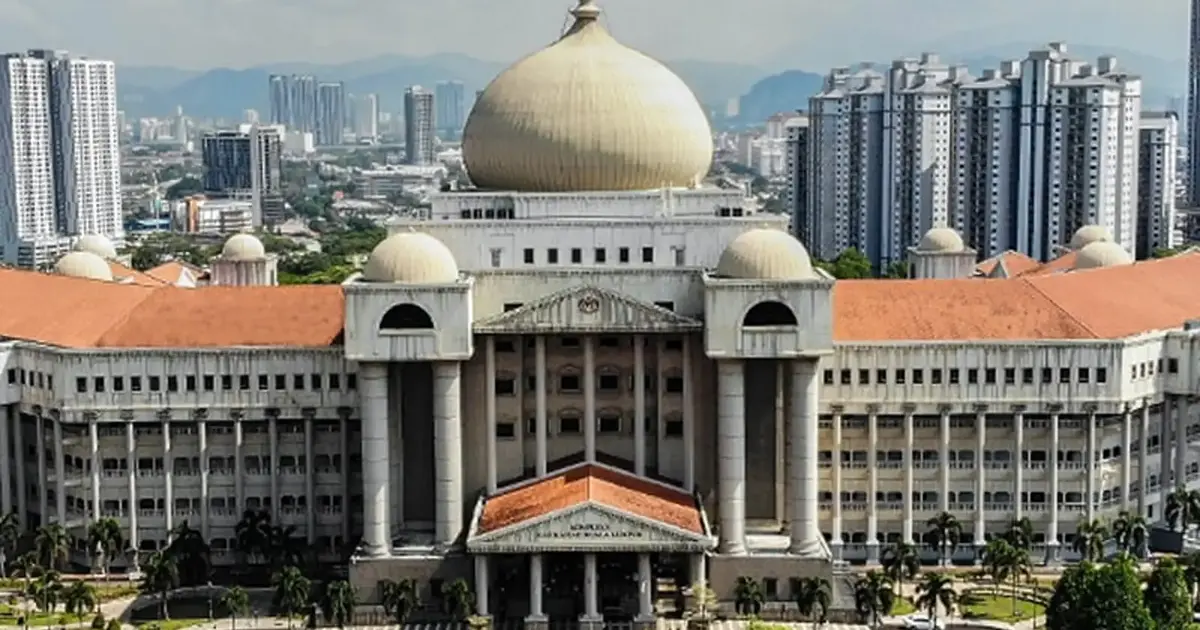
A Malaysian High Court has dismissed a subpoena that sought to compel the sitting prime minister to give testimony in a RM30 million civil litigation, ruling that the head of government does not qualify as a material witness in the dispute. The judicial decision represents a significant development in the handling of witness requirements for political figures involved in legal proceedings, particularly when the executive branch intersects with civil court matters.
The court's determination centres on the legal principle that witnesses summoned to testify must possess direct knowledge or evidence directly relevant to the core issues in dispute. By declining to find that the prime minister met this threshold, the judges concluded that his appearance would not materially advance the resolution of the case. This interpretation reflects broader jurisprudence regarding the boundaries between political office and judicial process, balancing the independent functioning of courts against the operational demands placed on the highest state official.
The nature of the RM30 million claim itself shapes the court's analysis of witness materiality. Rather than involving direct disputes about government policy or executive decisions in which the prime minister held personal involvement, the lawsuit appears to centre on matters where the prime minister's testimony would constitute peripheral evidence at best. Courts across common law jurisdictions have consistently held that personal attendance cannot be demanded merely because a party wishes to hear from a prominent figure, nor simply to gather general background information that witnesses with direct knowledge could adequately provide.
This ruling carries practical implications for the Malaysian legal system's treatment of high-office holders in civil disputes. The decision suggests that courts will apply evidentiary principles consistently regardless of a witness's political station, neither elevating nor diminishing the standards applied to ordinary individuals. However, the ruling simultaneously protects executive functioning by preventing litigation from becoming a mechanism for extracting testimony from the prime minister on matters falling outside his direct knowledge or decision-making authority.
The dismissal of the subpoena does not necessarily preclude other potential witnesses from providing relevant testimony about matters the prime minister might know about or have influenced. Subordinates, advisers, or officials who reported directly to the prime minister on specific matters related to the dispute might still face compulsion to appear if their evidence would be material. The judgment therefore distinguishes between the office-holder's presence and the underlying factual issues that remain subject to proper judicial examination through appropriate evidentiary channels.
For Malaysia's broader political and judicial landscape, the ruling exemplifies how courts navigate separation of powers questions without abdicating their constitutional duty to hear disputes. By rejecting the subpoena on narrowly tailored legal grounds rather than invoking blanket executive privilege or immunity doctrines, the High Court preserved both judicial independence and respect for the constraints inherent in high public office. The approach mirrors judicial reasoning in comparable Commonwealth democracies where courts have similarly declined to mandate personal testimony from sitting leaders where evidence would not be probative to the legal issues at hand.
The decision may also influence how future litigants structure their cases involving government or government-connected entities. Parties seeking to establish accountability through civil litigation will need to identify witnesses with direct knowledge of contested facts, rather than assuming that access to the highest levels of government authority would automatically generate legally useful testimony. This disciplining effect serves legitimate judicial economy interests, preventing courtrooms from becoming venues for political theatre where the novelty of a prime minister's appearance substitutes for genuine evidentiary value.
Within the Malaysian context, where civil society organizations and opposition figures have increasingly utilized litigation as a mechanism for investigating government conduct, the ruling establishes important boundaries. While courts remain open to hearing disputes involving government actors and examining government decisions through normal judicial review channels, the bench signal that access to the prime minister's personal testimony cannot be compelled through ordinary subpoena procedures merely because a party believes such testimony would prove politically embarrassing or illuminate government decision-making processes.
The RM30 million suit itself, though details remain limited in the available reporting, continues through normal trial procedures despite the removal of the prime ministerial witness. Other evidence gathering mechanisms—document discovery, examination of subordinate witnesses, expert testimony on disputed facts, and cross-examination of parties—remain fully available to litigants seeking to establish their claims. The court's decision thus channels evidence-gathering toward mechanisms specifically designed to produce reliable, probative information rather than the theatre of executive testimony.
Looking forward, the ruling provides guidance to lower courts confronting similar motions to compel testimony from sitting government officials. Judges reviewing subpoenas directed at cabinet ministers, deputy ministers, and other senior officeholders can invoke the High Court's materiality analysis to screen requests that would burden government operations without generating genuinely probative evidence. This creates a more rationalized system where political figures' time and attention concentrate on governance rather than courtroom appearances tangential to their direct decision-making.
The decision ultimately reflects sophisticated judicial thinking about the relationship between courts and executive power in constitutional democracies. Rather than viewing executive officials as either entirely above legal process or fully subject to it on identical terms with ordinary citizens, Malaysian courts are developing nuanced doctrine that protects both judicial function and governmental capacity. This balanced approach strengthens confidence in judicial independence while respecting the practical realities of high office.