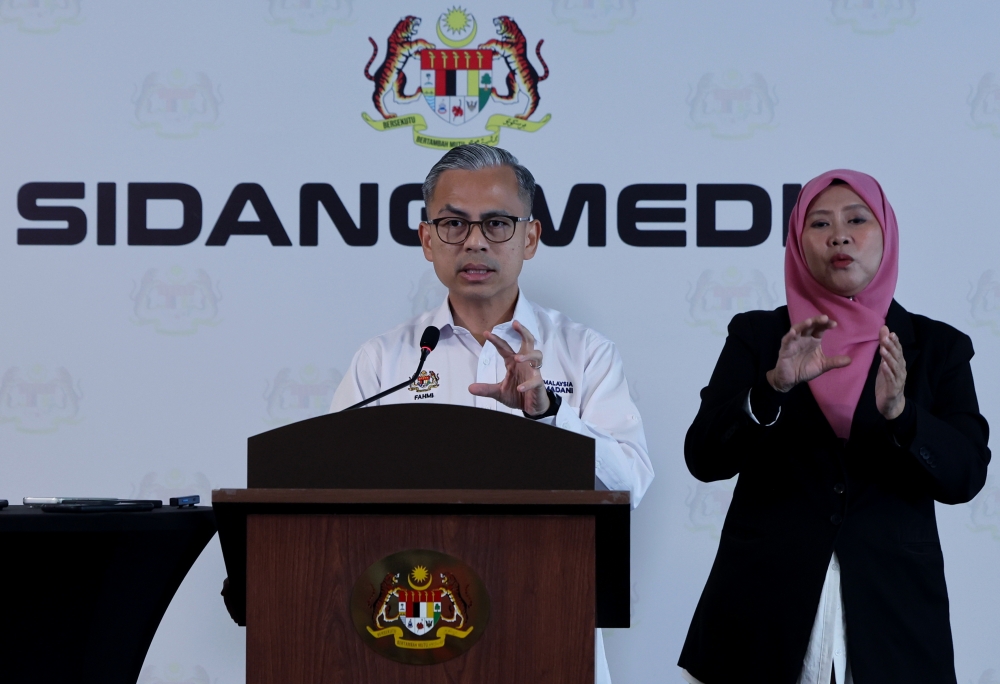
Prime Minister Datuk Seri Anwar Ibrahim has directed the Ministry of Human Resources to accelerate the processing of 15,000 pending foreign worker applications, according to an announcement by Communications Minister Fahmi Fadzil. The instruction represents a significant administrative push to clear a substantial backlog that has accumulated within Malaysia's migrant worker approval system, reflecting broader policy initiatives aimed at maintaining the country's competitive economic position in an increasingly labour-constrained Southeast Asian environment.
The directive underscores the government's recognition that delays in foreign worker approvals have begun creating operational bottlenecks across multiple industries. Malaysia's reliance on migrant labour has grown substantially over recent decades, with foreign workers now constituting a critical component of the workforce in construction, manufacturing, hospitality, healthcare, and domestic services. The accumulation of 15,000 unprocessed applications represents not merely administrative inefficiency but a tangible constraint on business operations and economic productivity across these sectors.
Fahmi Fadzil's public confirmation of the Prime Minister's order signals that labour shortages have risen sufficiently within government considerations to warrant direct intervention at the highest political level. This escalation suggests that stakeholder complaints from industry bodies and employers have reached Cabinet awareness, prompting action beyond routine ministry-level operations. The Communications Minister's role in publicizing the directive indicates deliberate government messaging aimed at reassuring the business community and demonstrating responsiveness to economic concerns.
The processing backlog reflects systemic challenges within Malaysia's migrant worker administration framework. Applications must navigate multiple approval stages involving security screening, documentation verification, quota allocations across sectors, and coordination with source countries. Each procedural step introduces potential delays, particularly when staffing levels within Kesuma remain constrained relative to application volumes. The accumulation of 15,000 cases suggests that processing capacity has fallen behind intake rates, creating a queue that compounds monthly as new applications arrive.
From a regional perspective, Malaysia's ability to efficiently process foreign worker applications carries competitive implications. Neighbouring countries including Thailand and Singapore have been modernizing their migrant labour systems, potentially attracting workers and investment away from Malaysia if application procedures become perceived as cumbersome. The 15,000-application backlog, if publicized negatively, could damage Malaysia's reputation as a business-friendly destination requiring reliable access to skilled and unskilled foreign labour.
The sectors most affected by processing delays warrant close attention. Construction companies undertaking infrastructure projects face scheduling pressures when foreign worker visas remain unprocessed beyond anticipated timelines. Manufacturing plants operating on tight production schedules cannot easily replace delayed workers. Healthcare facilities experiencing nursing shortages require expedited approval for medical professionals. Domestic service employers and hospitality operators face service quality challenges when staffing cannot be adequately filled. These cascading effects demonstrate why what appears as an administrative issue carries tangible economic consequences.
Accelerating 15,000 applications simultaneously presents logistical challenges for Kesuma officials tasked with maintaining security and regulatory standards whilst dramatically increasing processing speed. The ministry must balance expedited approval cycles against thorough background checks, documentation verification, and quota management across competing sectors and source countries. Rushing approvals without adequate scrutiny could introduce security vulnerabilities or administrative irregularities. Kesuma leadership will require clear guidance on which standards can be streamlined versus which safeguards remain non-negotiable.
The Prime Minister's intervention also implies resource allocation decisions. Expediting 15,000 applications likely requires temporary additional staffing, overtime authorizations, or technology deployment to digitize processes. Kesuma's budget and staffing parameters may require adjustment to support sustained faster processing. Whether such resources will be provisioned remains unclear, potentially affecting the practicality of achieving the speed improvements the directive envisions.
International labour sourcing complexities add another layer. Processing approvals requires coordination with workers' origin countries, particularly major sources like Indonesia, Bangladesh, Nepal, and the Philippines. Visa processing involves diplomatic channels and bilateral labour agreements. Delays at foreign government endpoints can impede final approvals regardless of Kesuma efficiency. The directive's success may thus depend partly on factors beyond the ministry's direct control, requiring diplomatic coordination to ensure source countries can match Malaysia's accelerated processing timelines.
The backlog's existence also reflects broader questions about Malaysia's long-term migration policy framework. Does the 15,000-case accumulation suggest that approval quotas set by government have been too restrictive relative to economic demand? Are processing procedures outdated relative to digital-era possibilities? Resolving these applications addresses immediate crisis management, yet systemic reform might prevent future backlogs from reaching comparable sizes. The directive thus offers opportunity for concurrent assessment of whether underlying policy architecture requires modernization.
Sector-specific impacts merit consideration. If the 15,000 applications remain unevenly distributed across industries, certain sectors may experience dramatic relief whilst others see minimal improvement. Construction may dominate the queue, leaving healthcare or hospitality comparatively undersupported. Kesuma should monitor application composition to ensure processing acceleration benefits priority sectors requiring immediate staffing solutions.
The political messaging surrounding this directive warrants interpretation. By publicly directing the ministry to expedite approvals, the Prime Minister demonstrates economic sensitivity and decisive action addressing business community concerns. This signals government commitment to maintaining Malaysia's investment appeal during a period when regional competition for capital and expertise intensifies. Conversely, the directive implicitly acknowledges that previous approval processes have functioned inadequately, raising questions about ministry leadership and prior political attention to labour administration.
Moving forward, sustained resolution requires both immediate action clearing the backlog and medium-term structural improvements preventing recurrence. The directive's success will be measurable through subsequent application approval data and stakeholder satisfaction feedback. For Malaysian business sectors dependent on foreign labour, this intervention offers tangible relief if execution matches intentions.

