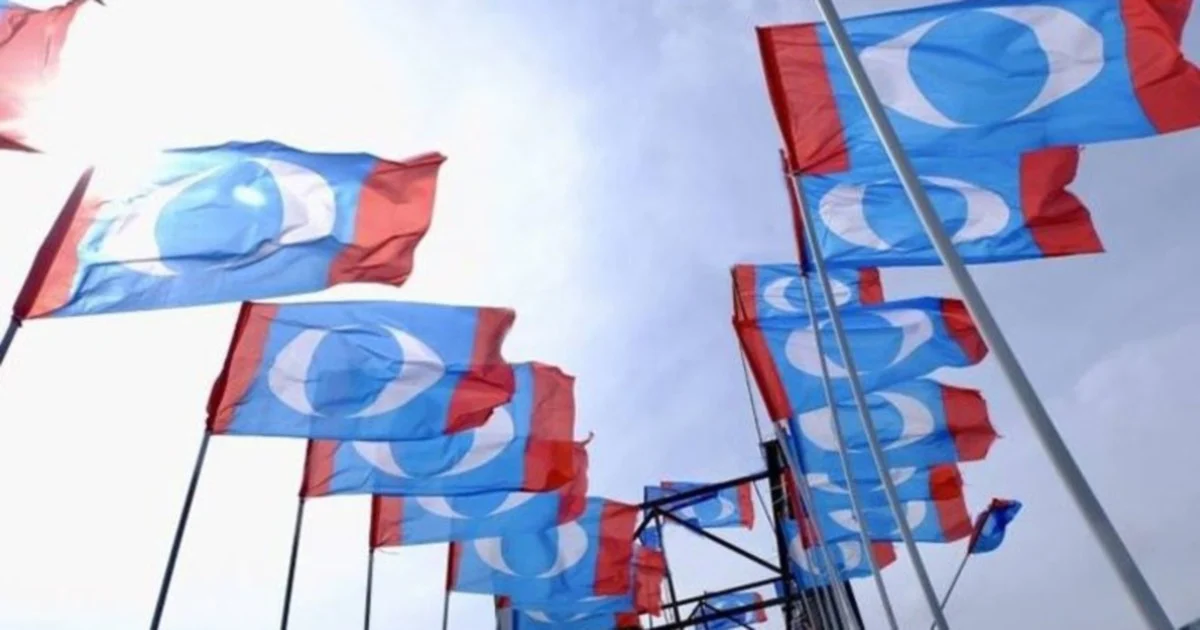
PKR has moved into the final stages of its candidate selection process for the forthcoming state elections in Johor and Negri Sembilan, with party secretary-general Datuk Dr Fuziah Salleh confirming that the candidate roster is 99 per cent complete. The announcement from Salleh signals the party's readiness to formally roll out its slate of hopefuls as the electoral timeline advances.
The near-completion of PKR's candidate list represents a significant milestone in the party's preparation for what are expected to be closely contested state elections. Both Johor and Negri Sembilan hold strategic importance within Malaysia's political landscape, with Johor being the nation's largest state by population and Negri Sembilan holding a historically significant position in peninsular politics. The timing of the candidate announcement underscores PKR's intention to maintain momentum and demonstrate organisational competence to voters.
For PKR, which is part of the Pakatan Harapan coalition, these state elections provide an opportunity to consolidate support in two key states where the party has varying levels of influence. The finalisation of candidates well ahead of polling day allows the party to mount comprehensive campaign operations and enables selected candidates to begin ground-level campaigning and engagement with constituents. Early candidate announcements also permit coalition partners to strategise seat divisions and avoid intra-alliance competition that could fragment opposition votes.
The confirmation that the list is substantially finalised suggests that PKR's internal selection mechanisms, which often involve vetting processes and stakeholder consultations at various party levels, have progressed smoothly. Such completion rates this far in advance typically indicate that the party has resolved potential disputes over candidate selection and reached consensus among key decision-makers. In Malaysian politics, candidate selection can be a contentious process, with party divisions occasionally surfacing publicly when contests become particularly competitive.
Johor represents a particularly significant battleground for PKR, given its status as the most populous state and its role as an economic powerhouse in southern Malaysia. The state has been a traditional stronghold of Umno-led administrations, though recent years have seen shifting political dynamics. A strong showing in Johor would bolster PKR's national profile and demonstrate its capacity to challenge entrenched political forces in heartland areas. Similarly, Negri Sembilan, despite its smaller size, carries symbolic weight and could contribute meaningfully to Pakatan Harapan's overall trajectory.
The 99 per cent completion rate, while indicating advanced readiness, also suggests minor refinements may still be underway. These final adjustments could involve resolving last-minute disputes, accommodating coalition agreements, or addressing unforeseen circumstances affecting individual candidates. This buffer provides PKR with flexibility to manage any emergent situations without necessitating wholesale reshuffling of its candidate nominations.
From a voter perspective, the imminent release of the full candidate list will enable Johor and Negri Sembilan constituents to examine the profiles and track records of those seeking their votes. This transparency allows voters to make informed decisions and provides ample time for parties to campaign on the strengths and experience of their chosen representatives. It also permits rival political forces to conduct opposition research and structure their counter-campaigns effectively.
For Malaysian political observers, PKR's organisational efficiency in this process merits attention. The ability to nearly complete a substantial candidate roster for two states simultaneously demonstrates administrative capability and coordination across party structures. In a federation where state politics retain significant autonomy within national party frameworks, such demonstrations of operational competence can influence voter perception of a party's overall fitness for governance.
The announcement also carries implications for other coalition partners within Pakatan Harapan, particularly DAP and Amanah, which will need to finalise their own candidate lists and negotiate any seat-sharing arrangements with PKR. The timing and content of these various announcements will collectively shape the broader narrative surrounding the opposition coalition's readiness and unity heading into the election campaign.
With candidate lists now nearly finalised, the focus will shift toward campaign infrastructure, messaging development, and voter mobilisation strategies. PKR and its allies have approximately the remaining period before polling to transform candidate appointments into tangible voter support. Success will ultimately depend not merely on who the party selects as candidates, but on how effectively those individuals connect with constituents and articulate a compelling vision for the states' futures. The election outcome in Johor and Negri Sembilan will provide significant signals about the current state of Malaysian electoral politics and the relative strength of competing political coalitions.

