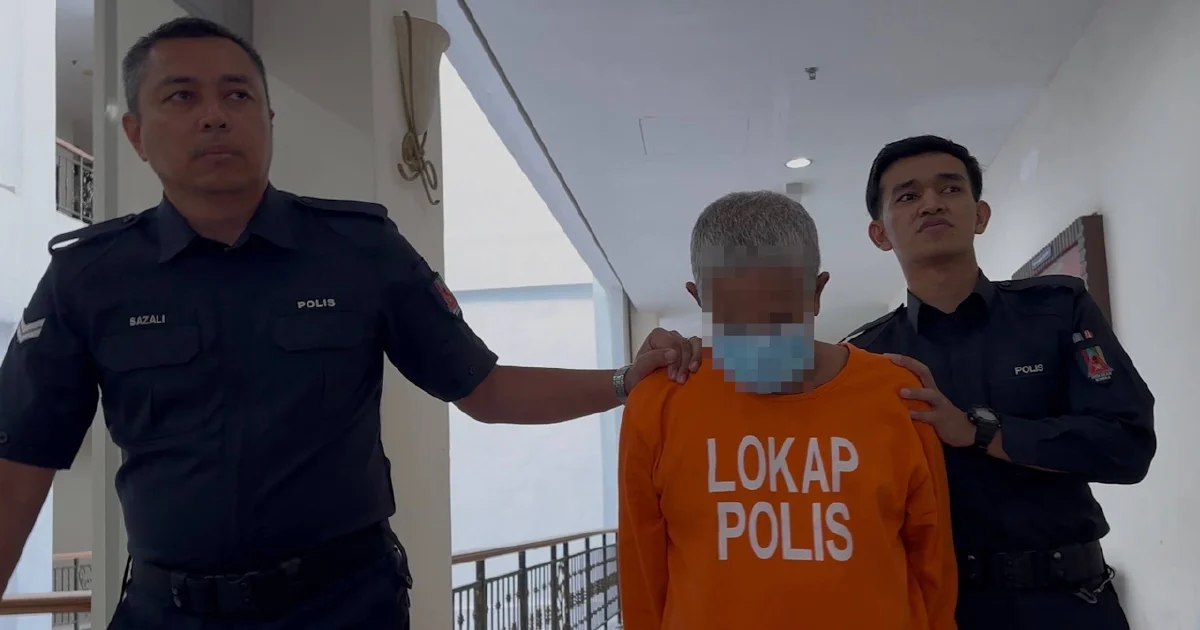
A Sessions Court in Muar has handed down a substantial custodial sentence to a 67-year-old retiree who admitted to a series of horrific sexual crimes against two members of his own family. The convicted offender received a total of 33 years imprisonment and 14 strokes of the cane following his guilty pleas to five separate counts involving rape and sexual assault of his granddaughters. The severity of the sentence reflects the gravity of the offences and the vulnerability of the victims, who were minors at the time of the abuse.
The case, which reached its conclusion in the Muar Sessions Court, underscores the persistent problem of sexual violence within domestic and family settings across Malaysia. Crimes of this nature—committed by trusted family members against children—represent a particularly insidious breach of the duty of care that adults owe to young people in their households. The fact that the perpetrator was a senior family figure makes the case emblematic of a wider pattern in which predators exploit the access and authority they possess within intimate family structures.
The court's decision to impose both custodial and corporal punishment demonstrates the judiciary's commitment to delivering robust penalties in sexual abuse cases. The 33-year prison term ensures extended incapacitation, effectively removing the offender from society for the remainder of his natural life given his current age. The additional sentence of caning—14 strokes—reflects the seriousness with which Malaysian courts treat sexual violence, particularly when perpetrated against children or other vulnerable groups. This combination of penalties sends a clear deterrent message to would-be offenders.
The guilty pleas entered by the accused shortened proceedings and spared the victims from having to give testimony in court, a consideration that carries significant weight in cases involving child abuse. Testimony in such cases can be retraumatising for survivors, and the acceptance of guilty pleas allowed the judicial process to reach a conclusion while minimising additional psychological harm to the granddaughters involved. The expedited resolution, however, did not diminish the sentence handed down, indicating that the court viewed full admission of culpability as separate from the question of appropriate punishment.
The Muar district, located in the southern Malaysian state of Johor, has seen other high-profile criminal cases in recent years that have drawn public attention and sparked broader conversations about law and order. This particular case fits into a troubling national pattern whereby child sexual abuse cases have increased in frequency and visibility, though whether this reflects genuine increases or improved reporting and awareness remains a matter of ongoing analysis among child protection advocates and criminologists.
Family-based sexual abuse presents distinct challenges for law enforcement, social services, and the judicial system. Victims often face internal family pressure that discourages disclosure, complex emotional bonds with perpetrators that complicate their willingness to report, and sometimes practical dependency on the abuser for housing and care. The successful prosecution of this case likely depended on the courage of the victims or other family members to come forward and provide evidence to authorities. Their actions have secured a criminal conviction and the removal of a serial abuser from the community.
The Malaysian criminal justice system has been strengthened in recent years through amendments to sexual offence laws and increased training for police and prosecutors in handling abuse cases. The Sexual Offences Against Children Act and the Child Act provide legal frameworks designed to protect minors and facilitate the prosecution of offenders. Court decisions such as this one demonstrate how those frameworks are being applied in practice, although advocacy organisations continue to push for further legislative refinement and resource allocation to address the backlog of cases in the system.
For the survivors, the court judgment represents official acknowledgment of the wrongs committed against them and a form of justice, though it cannot undo the trauma experienced. Support services for survivors of child sexual abuse in Malaysia include counselling, legal aid, and shelter facilities, though availability and quality vary across states. The successful conclusion of this prosecution may enable the victims to pursue restorative pathways and healing with professional support.
The case also carries implications for extended family members and communities, who must grapple with the revelation that a respected senior figure was committing serious crimes. Such disclosures can fracture family units, create divisions between those who side with victims and those who minimise the offences, and generate broader anxiety about child safety even in seemingly stable households. Community education about recognising warning signs of abuse and creating safe channels for children to report mistreatment remains a priority for child welfare organisations and government agencies across Malaysia.
Looking forward, the conviction and lengthy sentence provide a measure of closure within the formal legal system, but the broader challenge of preventing family-based sexual abuse requires sustained effort from educators, healthcare workers, law enforcement, and society more broadly. Strengthening protective factors—including economic security, social connections, mental health support, and inclusive community networks—alongside Swift prosecution of offenders, remains the dual strategy recommended by international child protection experts and applied inconsistently across different regions of Malaysia.

